

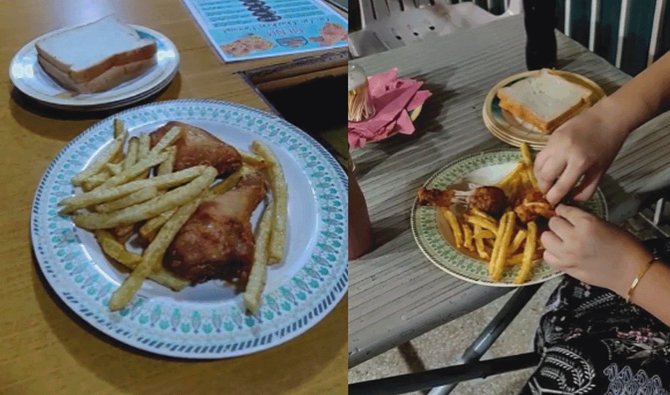

ISLAMABAD: On a late August night, Faraz-ul-Hassan, a banker by profession, digs into a plate of fresh, crispy broast with fries, buns and soft drink along with his colleague, Taimoor Abbasi, at a dimly lit shop tucked in the corner of an old building in Islamabad’s Blue Area.
From roadside stalls serving late-night crowds to established eateries drawing loyal diners in the Pakistani capital, the crispy, golden-brown delicacy has cemented its place as a national favorite and continues to dominate the Pakistani culinary landscape.
To understand the secret behind chicken broast’s enduring popularity, Arab News spoke to fans across the Pakistani capital and each had a different reason. Students called it “affordable,” youngsters raved about its crispy outer layer, and older residents said the dish has a nostalgic pull to it.
“It’s flavorful and so tender on the inside,” Abbasi, 37, told Arab News at GoGo Broast in Blue Area. “We love this place and their broast.”
Fried chicken is not a new concept. Globally, brands like Kentucky Fried Chicken (KFC) have turned it into a fast-food phenomenon since the 1930s, when Col. Harland Sanders, an American businessman, began experimenting with frying chicken in a pressure cooker.
Sanders perfected the secret recipe involving 11 herbs and spices, and transformed KFC into an international brand by the 1950s. It remains a household name the world over.
But the term, “broast,” itself comes from another American invention. In 1954, American businessman L.A.M. Phelan founded the Broaster Company in Wisconsin and patented the “Broaster Pressure Fryer,” a machine that combined deep frying with pressure cooking. The method locked in juices while keeping the crust crisp. The company had the name “Broast” trademarked, selling both equipment and proprietary rights to restaurants.
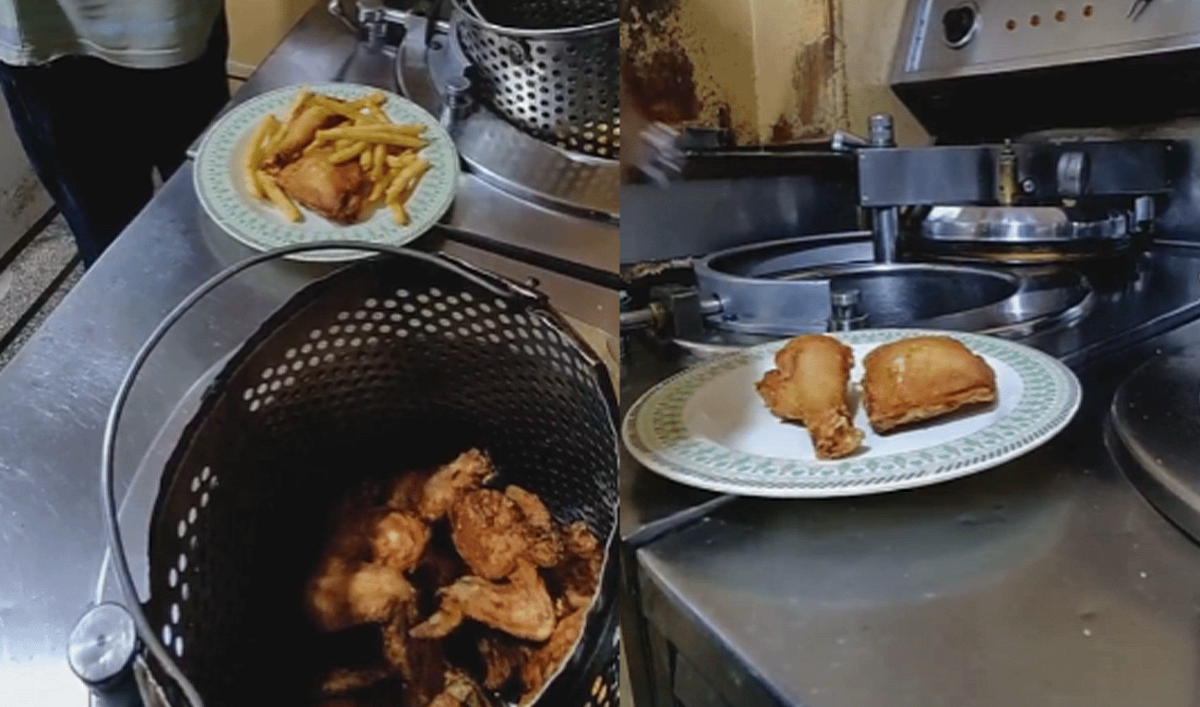
An image collage created on September 3, 2025, shows broast being prepared in a resturaunt in Islamabad, Pakistan. (AN Photo)
While in the US, broast strictly refers to chicken made with Broaster equipment, the dish has taken on a life of its own in Pakistan since the 1970s when broast machines and recipes started entering the South Asian country, according to restaurateurs.
Today, whether sold at roadside stalls or restaurants like Savour Foods and GoGo Broast in Islamabad, broast means chicken marinated with South Asian spices, fried under pressure, and is usually served with chutney, raita and fries.
For Hasan, the 27-year-old banker from rural Sindh, the Pakistani version of broast offers ‘desi’ flavours that remind him of his hometown.
“This is traditional. Back home, KFC isn’t common but broast is everywhere. It reminds me of Sindh. The version there is crispier, fried with all-purpose flour like KFC, but it still carries that desi taste,” he told Arab News.
At GoGo Broast, one of Islamabad’s long-running outlets that serves up the delicacy, the owner insists the key to success lies in patience and guarded recipes.
“Broast is prepared in automatic plants, but the recipe is our own,” Tahir Javed, 56, told Arab News. “We’ve been making it for 20 to 25 years. We marinate the chicken for at least three to four hours, then add spices and leave it for another six hours. That way, the flavor runs deep inside, unlike roasted chicken, which stays bland inside.”
While nutritionists warn the deep-fried delicacy is high in fat and sodium, especially when paired with fries and sugary sodas, broast shows no signs of losing its place on dining tables across Pakistan.
“In our village, beef and mutton are preferred, so whenever we come to Islamabad, we always visit Savor [Foods] for its chicken [broast],” said Muhammad Adnan Khan, a university student from Lakki Marwat, a town in Pakistan’s northwestern Khyber Pakhtunkhwa province.
“The taste is good, it’s fried well. It’s something special.”


