


RIYADH: For years, tea has been a symbol of hospitality and social bonding in Saudi Arabia society but often coming second in popularity to coffee.
No longer. Tea is making a strong comeback, with lovers of the brew, and businesses, blending tradition with modern sensibilities.
Abdulaziz Alarifi, a partner at Dreamy Visions marketing agency, told Arab News: “In the past, tea was served as a welcome drink, after dinner, or even at a party. Nowadays, it has a larger market and improved quality.”

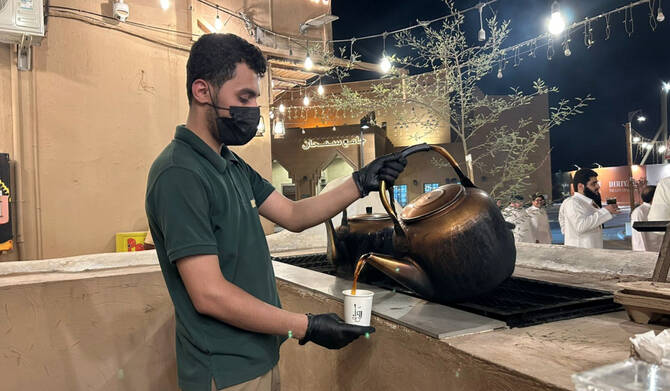
Nowadays Saudis are changing how they consume tea. Many people are looking for convenience while on the go, and prefer to drink it cold, with almost every coffee shop catering to this demand. (Photos/Haifa Alshammari)
Alarifi says that tea is now being evaluated on source and quality of leaves, rather than just brand name.
“We are talking about Saudi companies that have started supplying tea and there is competition in this market between them,” he said.
As lifestyles in the country change, people’s preferences have changed as well.
Our preference has always been for hot tea, but iced tea is a new target for the market. I believe it will take up significant space in the coming years.
Bader Hathal
Aamer Ahmad, who is a server at a tea house in Diriyah’s Alsamhania area, said: “Arabic tea and coffee have been staples since ancient times. These categories (cold tea drinks) are new inventions introduced to generations already accustomed to these beverages.”
He added: “I mean a different generation than the one before. For example, in the past, tea and coffee were served hot; now there are two types of tea, cold and hot, such as for karak tea.”
Ahmad said in the past tea was served warm and infused with aromatic spices including mint and saffron, alongside Saudi coffee, during family gatherings.
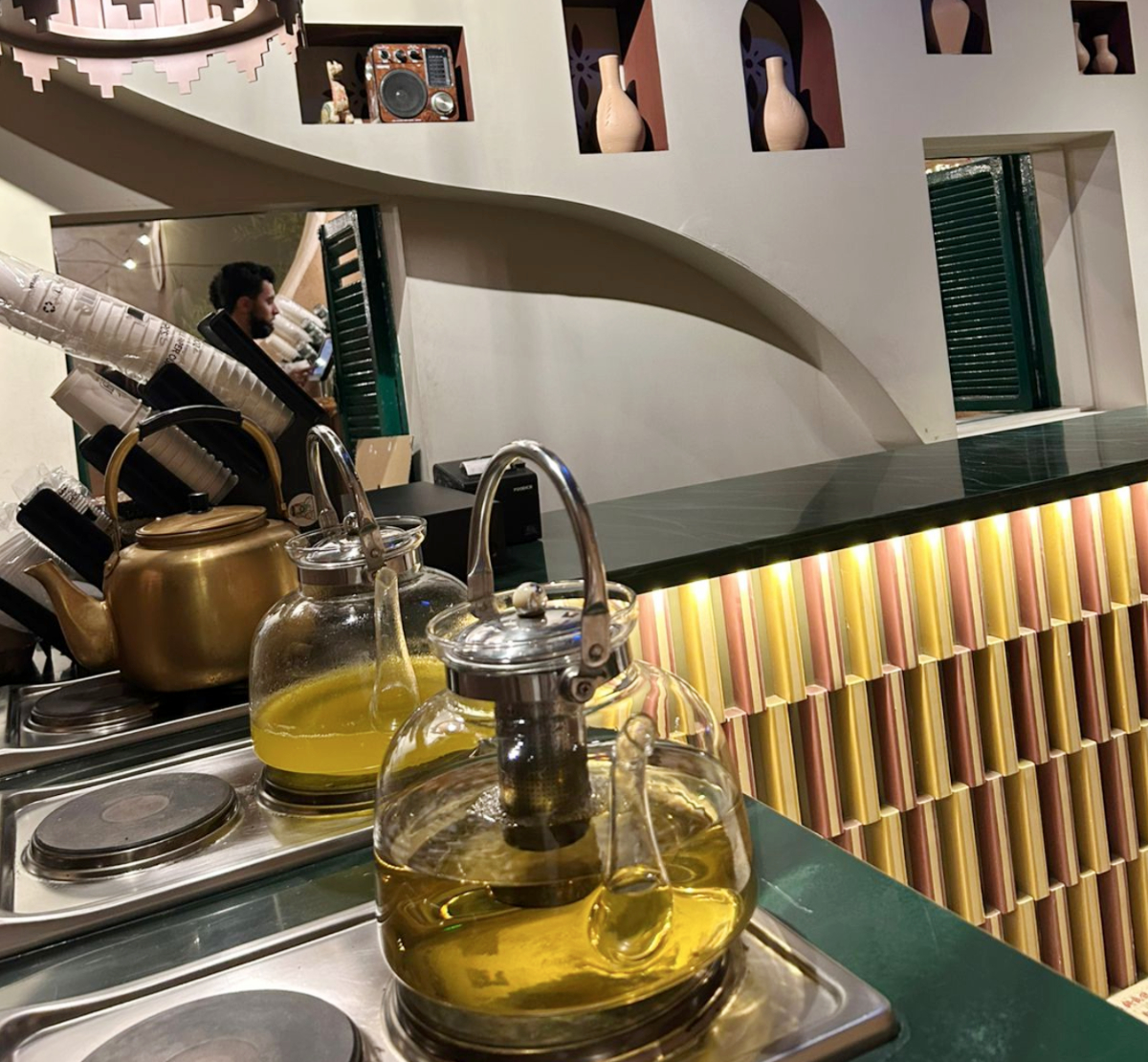
Nowadays Saudis are changing how they consume tea. Many people are looking for convenience while on the go, and prefer to drink it cold, with almost every coffee shop catering to this demand. Photos/Haifa Alshammari
Small glass cups of mixed black tea with mint were also enjoyed hot during weddings and celebrations.
However, nowadays Saudis are changing how they consume tea. Many people are looking for convenience while on the go, and prefer to drink it cold, with almost every coffee shop catering to this demand.
Popular flavors include iced black tea with lemon, green tea with tropical fruits, and iced hibiscus tea with sparkling water and lemon.
Alarifi added: “In the past, tea consumption — whether at home or at work — was low. Now, it has increased significantly. People drink tea at work, at home, and in cafes. Consumption has become much higher.”
According to the Visit Saudi website, Saudi Arabia “is among the 20 largest tea-consuming countries in the world, with each person consuming nearly 900 grams annually, on average.”
What is more interesting is that instead of the small glass cups, these new takes on tea are served in bottles or takeaway cups, which are available in cafes, convenience stores, and drive-thru locations.
Bader Hathal, a local who enjoys a good cup with friends, told Arab News: “I believe this is a unique and remarkable shift for tea and tea lovers, as it offers a delicious flavor in a new style that we, as Saudis, aren’t used to.”
“Our preference has always been for hot tea, but iced tea is a new target for the market. And I believe it will take up significant space in the coming years, especially when it comes to beverage offerings, with iced tea being one of the most prominent.”
The rising popularity of tea houses in cities including Riyadh and Jeddah shows a growing appreciation for the drink.
Rana Alzamil, a Riyadh resident, told Arab News: “In my family, tea is more of a tradition and custom than just a drink we enjoy.
“Afternoon tea was one of the rituals the family made sure to gather for. It was usually served as either mint tea or black tea, accompanied by cake or biscuits.”
She added: “With time and the changing of generations, we’ve come to enjoy tea whether hot, like we used to, or cold with different flavors. And each time, it brings back family memories.”
“One of the new cold flavors I enjoy is hibiscus tea with berries, as well as iced ginger tea with lemon and mint, especially in summer.”


