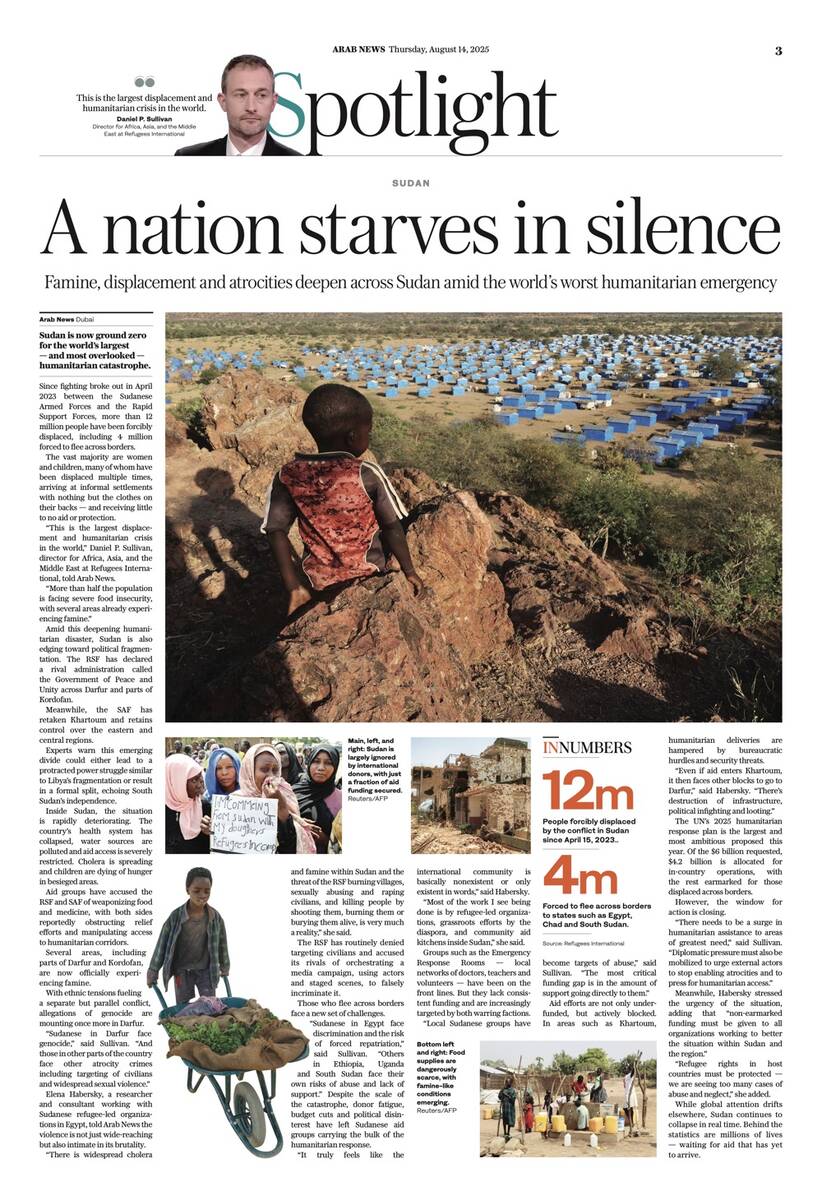
- Food supplies are dangerously scarce, with famine-like conditions emerging in parts of Sudan
- Despite a worsening situation, war-torn Sudan is largely ignored, with just a fraction of required funding secured
DUBAI: Sudan is now ground zero for the world’s largest — and most overlooked — humanitarian catastrophe.
Since fighting broke out in April 2023 between the Sudanese Armed Forces and the paramilitary Rapid Support Forces, more than 12 million people have been forcibly displaced, including 4 million forced to flee across borders, according to Refugees International.
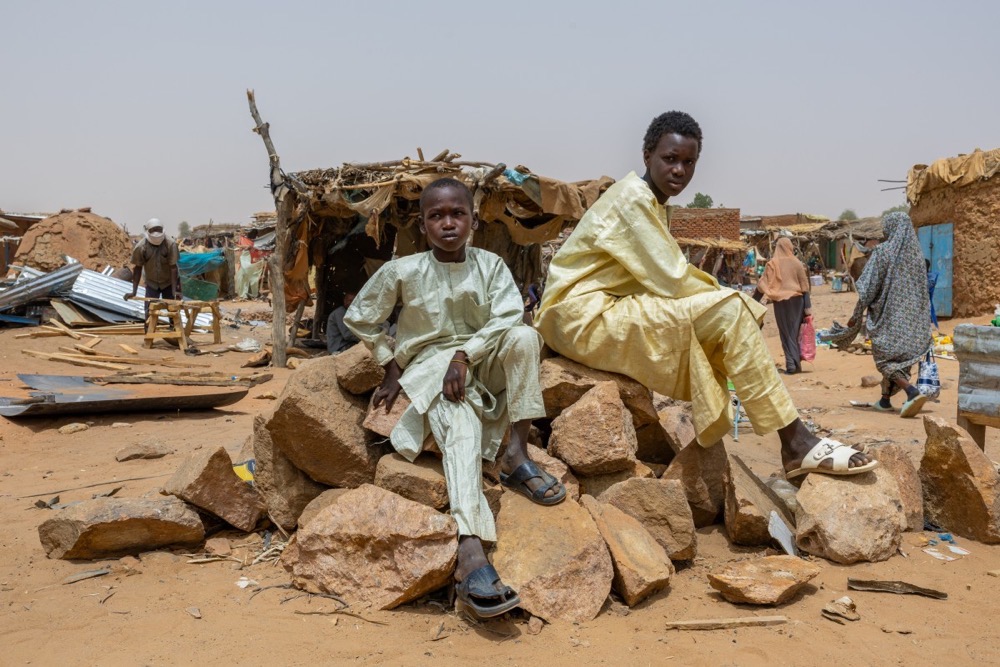
The vast majority are women and children, many of whom have been displaced multiple times, arriving at informal settlements with nothing but the clothes on their backs — and receiving little to no aid or protection.
“This is the largest displacement and humanitarian crisis in the world,” Daniel P. Sullivan, director for Africa, Asia, and the Middle East at Refugees International, told Arab News.
“More than half the population is facing severe food insecurity, with several areas already experiencing famine.”
Amid this deepening humanitarian disaster, Sudan is also edging toward political fragmentation. The paramilitary RSF has declared a rival administration called the “Government of Peace and Unity” across Darfur and parts of Kordofan.
Meanwhile, the SAF has retaken Khartoum and retains control over the eastern and central regions.
Experts warn that this emerging divide could either lead to a protracted power struggle similar to Libya’s fragmentation or result in a formal split, echoing South Sudan’s independence.
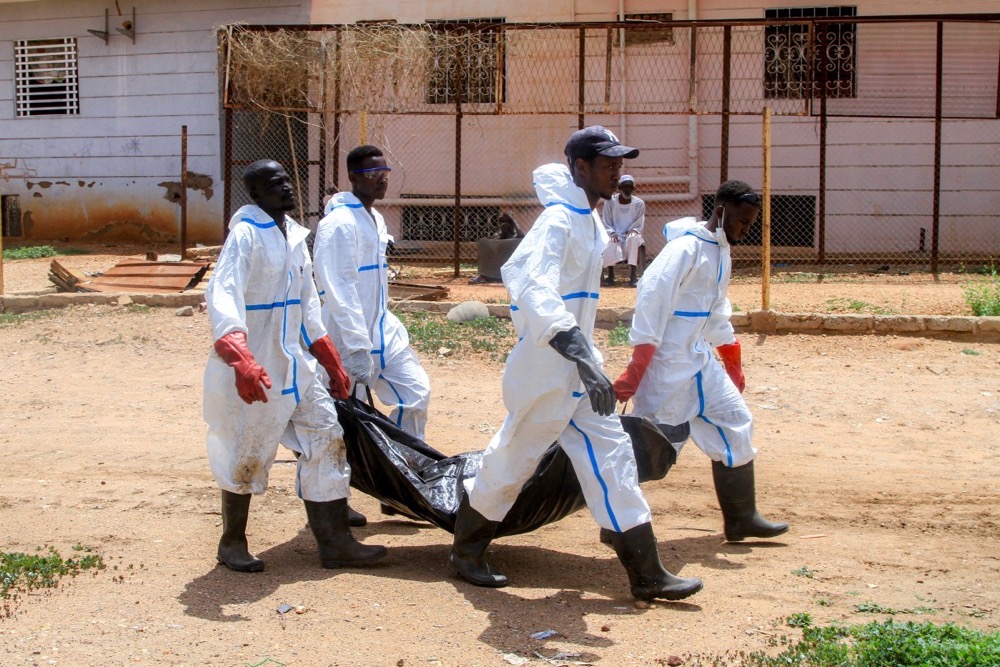
Inside Sudan, the situation is rapidly deteriorating. The country’s health system has collapsed, water sources are polluted and aid access is severely restricted. Cholera is spreading and children are dying of hunger in besieged areas.
Aid groups have accused the RSF and SAF of weaponizing food and medicine, with both sides reportedly obstructing relief efforts and manipulating access to humanitarian corridors.
In East Darfur’s Lagawa camp, at least 13 children have died due to complications associated with malnutrition.
The site is home to more than 7,000 displaced people, the majority of them women and children, who are grappling with acute food insecurity.
The UN children’s fund, UNICEF, reported a 46 percent increase in cases of severe child malnutrition across Darfur between January and May, with more than 40,000 children receiving treatment in North Darfur alone.
Several areas, including parts of Darfur and Kordofan, are now officially experiencing famine.
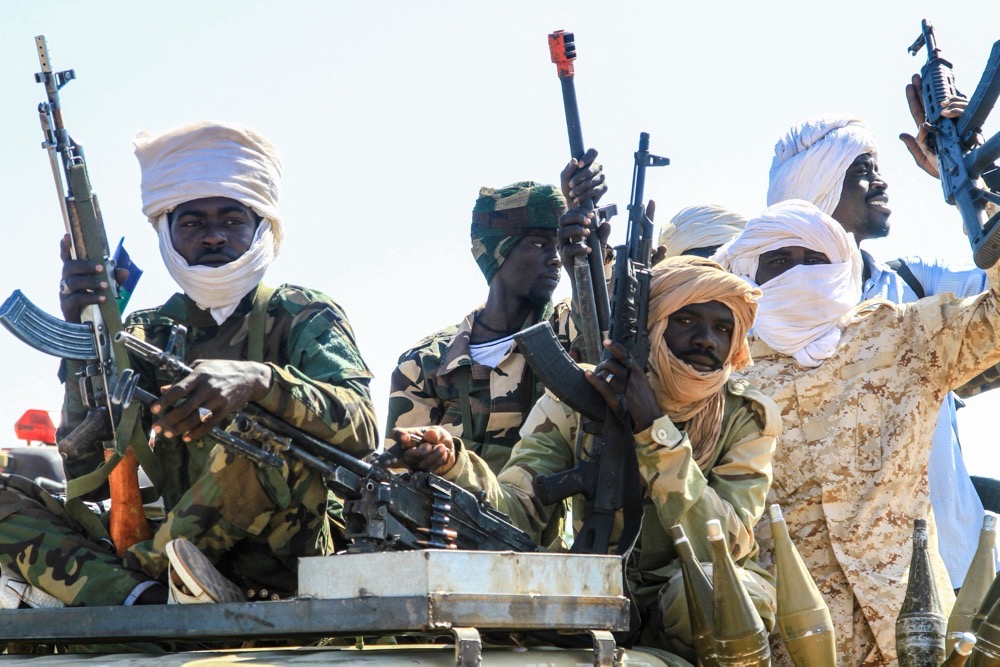
With ethnic tensions fueling a separate but parallel conflict, allegations of genocide are mounting once more in Darfur.
“Sudanese in Darfur face genocide,” said Sullivan. “And those in other parts of the country face other atrocity crimes including targeting of civilians and widespread sexual violence.”
Elena Habersky, a researcher and consultant working with Sudanese refugee-led organizations in Egypt, told Arab News the violence is not just wide-reaching but also intimate in its brutality.
“There is widespread cholera and famine within Sudan and the threat of the RSF burning villages, sexually abusing and raping civilians, and killing people by shooting them, burning them or burying them alive, is very much a reality,” she said.
The RSF has routinely denied targeting civilians and accused its rivals of orchestrating a media campaign, using actors and staged scenes, to falsely incriminate it.
Those who flee across borders face a new set of challenges. Sudanese refugees in Egypt often struggle to obtain residency, work permits or access to health care and education.
In Chad and South Sudan, refugee camps are severely overcrowded, and food shortages are worsening due to global funding cuts. In Libya and the Central African Republic, they are at the mercy of smuggling networks and armed groups.
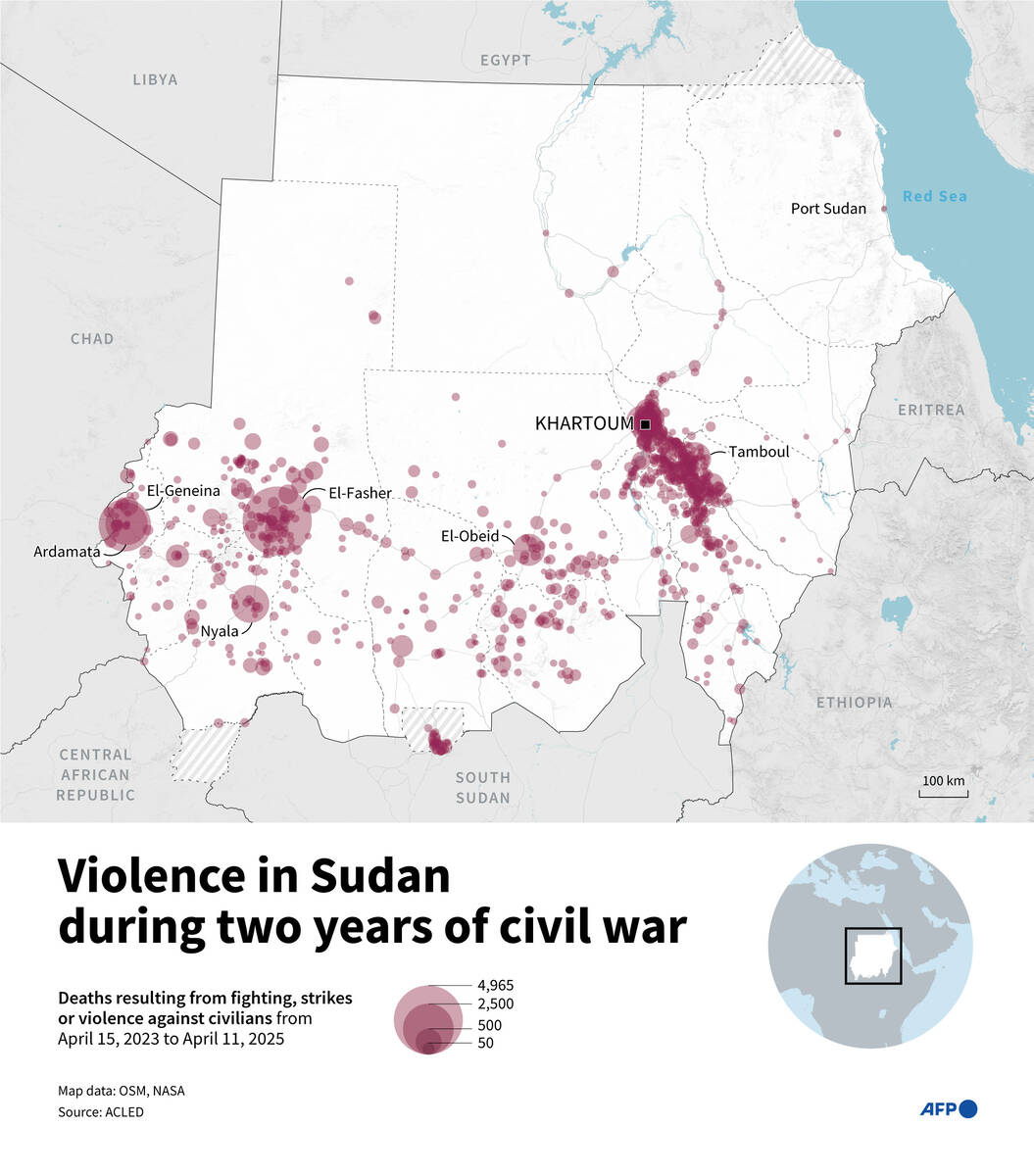
“Sudanese in Egypt face discrimination and the risk of forced repatriation,” said Sullivan. “Others in Ethiopia, Uganda and South Sudan face their own risks of abuse and lack of support.”
All the while, international attention is limited. The few headlines that break through are usually buried beneath coverage of other global crises.
Despite the scale of the catastrophe, donor fatigue, budget cuts and political disinterest have left Sudanese aid groups carrying the bulk of the humanitarian response.
“It truly feels like the international community is basically non-existent or only existent in words,” said Habersky.
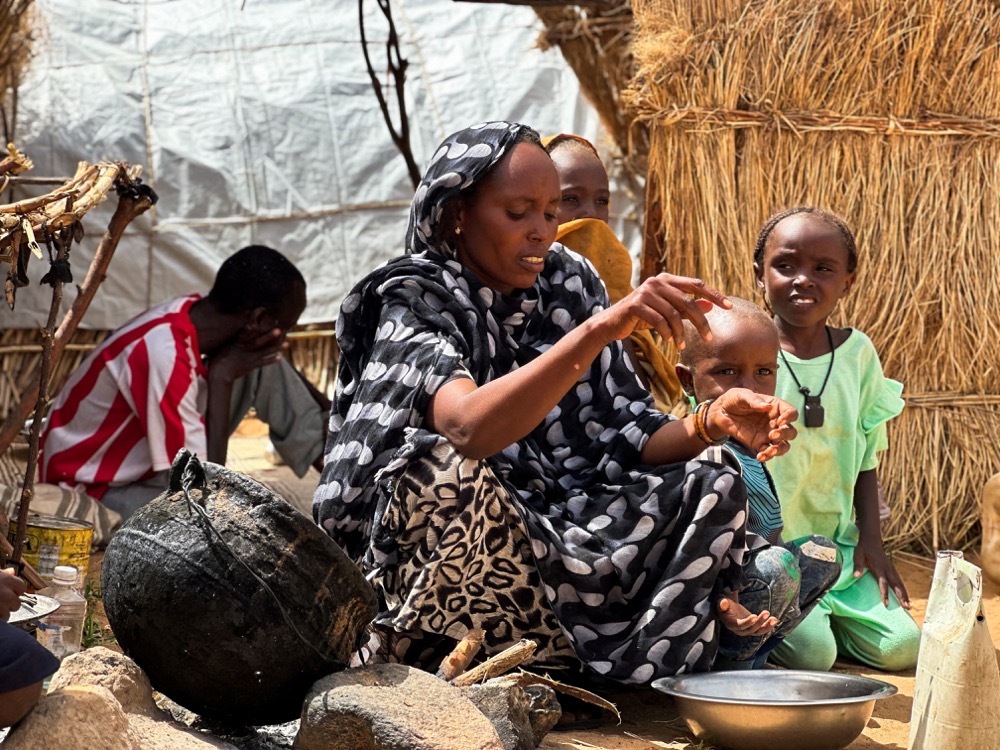
“Most of the work I see being done is by refugee-led organizations, grassroots efforts by the diaspora, and community aid kitchens inside Sudan,” she said.
Groups such as the Emergency Response Rooms — local networks of doctors, teachers and volunteers — have been on the front lines. But they lack consistent funding and are increasingly targeted by both warring factions.
“Local Sudanese groups have become targets of abuse,” said Sullivan. “The most critical funding gap is in the amount of support going directly to them.”
Aid efforts are not only underfunded, but actively blocked. In areas such as Khartoum, humanitarian deliveries are hampered by bureaucratic hurdles and security threats.
“Even if aid enters Khartoum, it then faces other blocks to go to Darfur,” said Habersky. “There’s destruction of infrastructure, political infighting and looting.”
INNUMBERS
• 12m People forcibly displaced by the conflict in Sudan since April 15, 2023.
• 4m Forced to flee across borders to states such as Egypt, Chad and South Sudan.
Source: Refugees International
In February, UN officials launched a $6 billion funding appeal for Sudan — a more than 40 percent increase from the previous year — citing what they described as the world’s worst hunger crisis and displacement emergency.
The call for aid comes as global humanitarian budgets are under immense pressure, further strained by a recent US funding freeze that has disrupted life-saving programs worldwide.
Earlier this year, Tom Fletcher, UN under-secretary-general for humanitarian affairs and emergency relief coordinator, urged donors to answer the appeal on behalf of nearly 21 million Sudanese in need, while describing Sudan as “a humanitarian emergency of shocking proportions.”
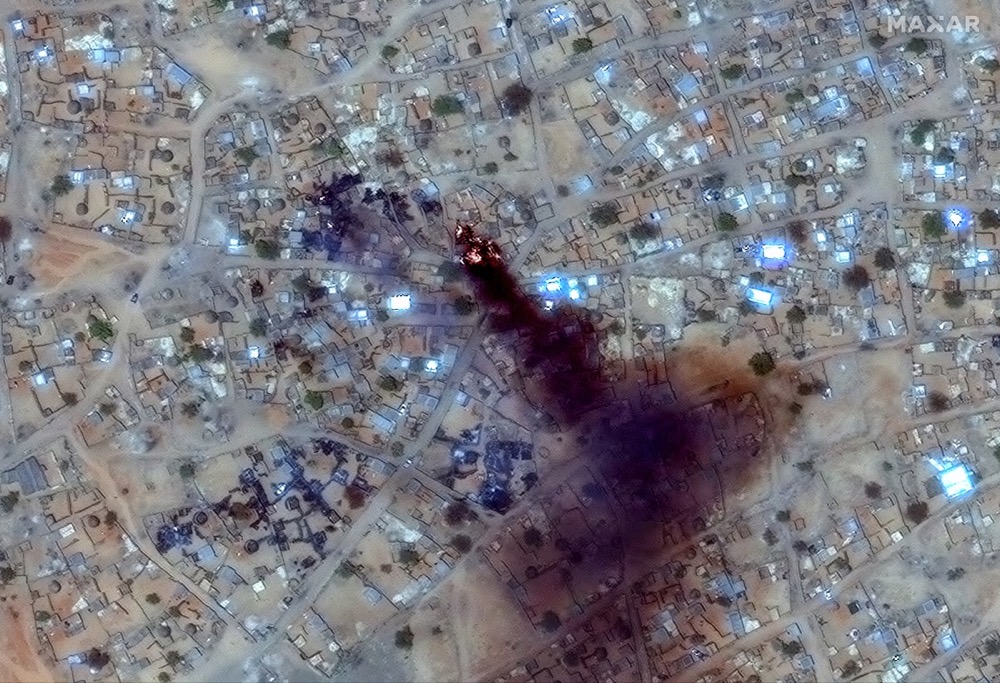
“We are witnessing famine, sexual violence and the collapse of basic services on a massive scale — and we need urgent, coordinated action to stop it.”
While some aid agencies say they have received waivers from Washington to continue operations in Sudan, uncertainty remains around how far those exemptions extend — particularly when it comes to famine relief.
The UN’s 2025 humanitarian response plan is the largest and most ambitious proposed this year. Of the $6 billion requested, $4.2 billion is allocated for in-country operations, with the rest earmarked for those displaced across borders.
However, the window for action is closing, with the rainy season underway and famine spreading.
Experts warn that unless humanitarian access is restored and the conflict de-escalates, Sudan could spiral into a catastrophe on a par with — or worse than — Rwanda, Syria or Yemen.
“There needs to be a surge in humanitarian assistance to areas of greatest need,” said Sullivan. “Diplomatic pressure must also be mobilized to urge external actors to stop enabling atrocities and to press for humanitarian access.”
Sullivan believes that failure to act now could result in hundreds of thousands of preventable deaths.
Meanwhile, Habersky stressed the urgency of the situation, adding that “non-earmarked funding must be given to all organizations working to better the situation within Sudan and the region.”
“Refugee rights in host countries must be protected — we are seeing too many cases of abuse and neglect,” she added.
The stark reality is that while global attention drifts elsewhere, Sudan continues to collapse in real time. Behind the statistics are millions of lives — waiting for aid that has yet to arrive.