- Hezbollah statement blasts Salam government for moving to restrict possession of weapons to the state, while reaffirming ‘openness to dialogue’
BEIRUT: The Lebanese Army Command confirmed on Wednesday the death of three of the country’s most notorious and dangerous drug traffickers, who were killed during an armed clash between army units and the wanted individuals in Baalbek.
The security operation, hailed by Lebanese media as “a major milestone in the war on drugs” and “a clear message to fugitives that the era of impunity is nearing its end,” took place less than 24 hours after the Cabinet instructed “the army to develop a plan for seizing illegal weapons by year’s end and submit it to the government by the end of August.
The Army Command announced in a statement that “during the pursuit of a vehicle carrying wanted members of the Zeaiter family in the Sharawneh neighborhood of Baalbek, a clash broke out between the suspects and army units, resulting in their deaths.”
The individuals have been identified as Ali Monzer Zeaiter, Abbas Ali Saadoun Zeaiter, and Fayyad Salem Zeaiter and were wanted for a series of serious crimes, including the killing of soldiers, kidnapping, armed assaults on army posts and patrols, and armed robbery.
The Directorate of Orientation reported that “the wanted individuals had been involved for years in large-scale drug trafficking across multiple Lebanese regions, contributing to the rise of crime and drawing thousands, especially youth, into lives of crime.”
It added that previous operations to bring the individuals to justice failed, with some resulting in injuries among its soldiers.
The Army Command denied reports that homes or relatives of the wanted individuals, or any residents, had been targeted during the operation. It also refuted claims of any clashes between residents and army personnel.
Baalbek is predominantly influenced by powerful tribal families, many of which have historically served as a supportive base for Hezbollah. Some wanted individuals have long been shielded by both the party and their tribal affiliations.
Sharawneh, the Baalbek neighborhood targeted in the army raid, has become a refuge for dozens of wanted arms and drug traffickers, many equipped with rockets and machine guns. The area is notoriously difficult for security forces to access, operating as a closed zone under the influence of complex and deeply rooted tribal influence.
Eyewitnesses in the city reported that the army “deployed drones during the operation to conduct precision strikes in the area.”
Ali Monzer, regarded as one of the most powerful figures in the Bekaa Valley’s drug trade, is infamous for repeatedly evading security prosecution. He was wanted on hundreds of arrest warrants for crimes including drug trafficking, armed assaults, and kidnappings. Around five years ago, he moved to Baalbek’s Sharawneh neighborhood.
A military source revealed: “The operation was the result of meticulous surveillance of his movements. The aim was not only to capture him, but also to deliver a significant blow to the drug networks that have entrenched themselves in the Sharawneh neighborhood.”
The kingpin was previously involved in a 2022 armed attack on a Lebanese army patrol, which left a sergeant dead and several others wounded. During that raid, Ali Monzer sustained two gunshot wounds but managed to escape despite his critical injuries.
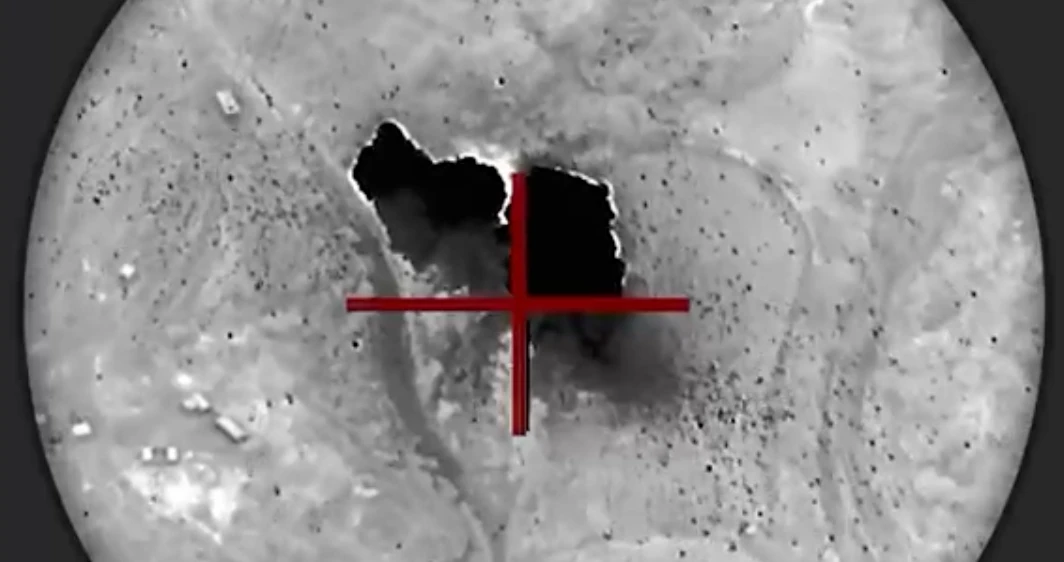
On July 24, the army tracked him using a drone, suspecting him to be among a group of wanted individuals fleeing in a four-wheel-drive vehicle through the Bekaa Valley. The drone launched a missile near the vehicle, successfully disabling it. However, he escaped before army forces could reach the scene.
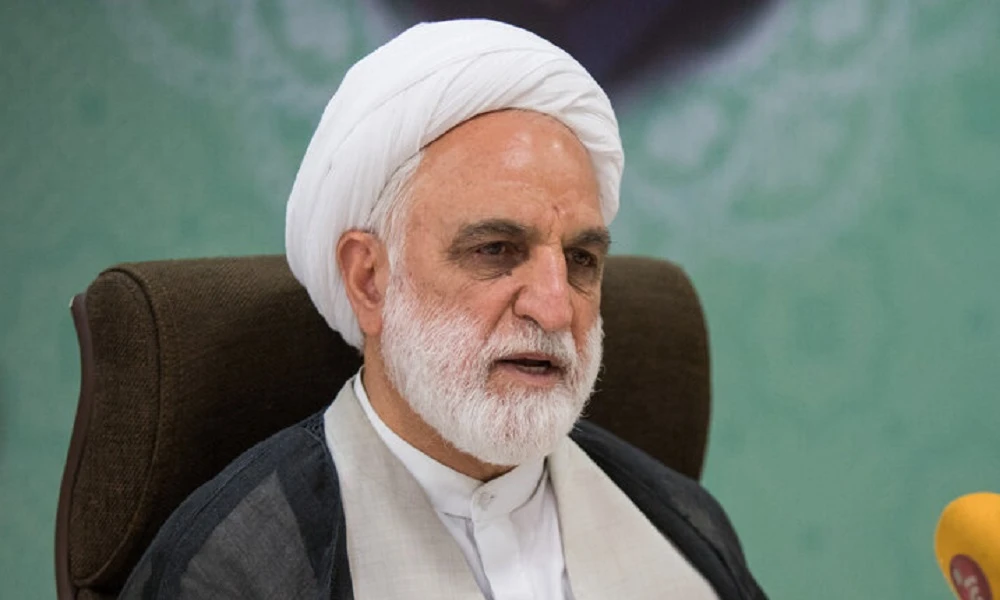
On Wednesday, Hezbollah issued a statement rejecting the Cabinet’s decision, passed during its Tuesday night session, to restrict the possession of weapons to the state. The party accused Prime Minister Nawaf Salam’s government of “committing a major sin by adopting a resolution that strips Lebanon of its ability to resist the Israeli enemy, effectively granting Israel what it failed to achieve through military aggression.” Hezbollah further claimed the decision was driven by pressure from US Envoy Thomas Barrack, calling it “part of a surrender strategy” and “a clear betrayal of the core principles of Lebanon’s sovereignty.”
However, in the same statement, Hezbollah affirmed its “openness for dialogue aimed at ending Israeli aggression against Lebanon, liberating occupied territories, securing the release of prisoners, rebuilding what was destroyed by the aggression, and contributing to the construction of a strong state.” The party “expressed its willingness to discuss a national security strategy but emphasized that such discussions must not take place under the threat of aggression,” adding that Tel Aviv “must first fulfill its obligations.” The group also called on the Lebanese government to “prioritize all necessary measures to liberate Lebanese territories still under occupation, in accordance with its ministerial declaration.”
Meanwhile, Israel continued its strikes on Hezbollah, launching a drone attack on a motorcycle in the town of Touline, killing a child and injuring his father, who were both riding the vehicle.
An Israeli airstrike late Tuesday night targeted the Baalbek region deep within Lebanon, reportedly striking “a vehicle carrying a Hezbollah member.” According to Israeli army spokesperson Avichay Adraee, “the individual, identified as Hossam Qassem Ghorab, was a Hezbollah operative accused of operating from Lebanese territory to coordinate cells in Syria, planning rocket attacks on the Golan Heights.”