

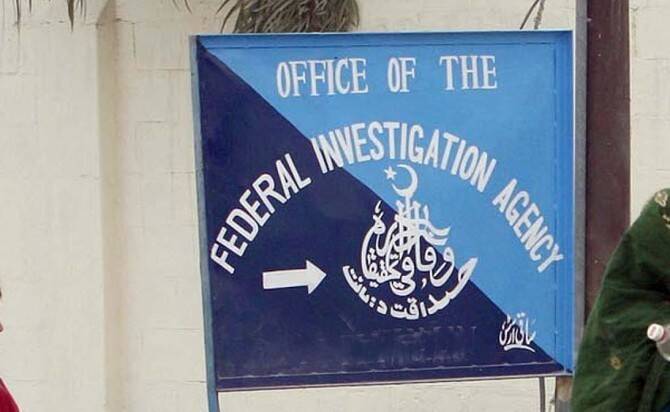

KARACHI: Pakistani authorities have arrested the head of a Karachi-based non-governmental organization on charges of child smuggling and illegal overseas adoptions after a tip-off from the US Consulate, prompting rights activists to say the case exposed flaws in the country’s child protection and law enforcement systems.
Dr. Mubina Cassum Agboatwala, chairperson of Health-Oriented Preventive Education (HOPE), was taken into custody on Monday by the Federal Investigation Agency (FIA) after a court dismissed her pre-arrest bail application.
The FIA’s Anti-Human Trafficking Circle (AHTC) in Karachi registered a case against Agboatwala in July 2025 after receiving a complaint from the US Consulate in September 2023. The consulate had alerted authorities that HOPE had facilitated illegal adoptions of minors, mostly to families in the United States.
“While Pakistan has taken legislative steps with the Prevention of Trafficking in Persons Act, 2018, and the Prevention of Smuggling of Migrants Act, 2018, the persistence of child trafficking reveals critical gaps in implementation and protection systems,” Pirbhu Satyani, a Sindh member of the National Commission on the Rights of the Child, told Arab News.
According to the First Information Report (FIR) lodged by the police, HOPE, registered as an NGO in 1997, was never authorized to operate as an orphanage or to arrange adoptions.
The report alleges the NGO routinely handed over “abandoned” children to foreign families the day after they were found, without informing police or social welfare officials. In many cases, adoptions were approved via court orders containing suspiciously identical narratives.
The FIR names 23 children, including two reportedly adopted by Agboatwala herself, and stated the organization failed to present evidence proving the children were genuinely abandoned. It accuses HOPE of being engaged in “the illegal business of trafficking of minors for their monetary benefits.”
“Children and families, particularly in rural and impoverished areas, are often unaware of their rights or unable to recognize trafficking,” Satyani said, adding that Pakistan lacked a centralized, child-specific database to track cases from rescue to rehabilitation.
He also noted the scarcity of trauma-informed shelters and reintegration programs for rescued children.
Legal expert Barrister Ali Tahir pointed to a systemic failure of enforcement despite an abundance of laws.
“Pakistan is an over-legislated country where some of the best and most modern laws have been made, but the implementation is almost non-existent,” he said. “The root cause of this is insufficient training and lack of capacity in our enforcement agencies.”
The HOPE case is not the first of its kind. In June last year, the FIA arrested Sarim Burney, head of the Sarim Burney Welfare Trust, on similar charges of smuggling a newborn to the US. In another case, a woman named Kiran Sohail was arrested for allegedly smuggling a child to Mozambique.
Child rights activist Kashif Mirza said that while Pakistan has built a robust legal framework, enforcement remains a persistent challenge.
“Although these laws exist, there are still obstacles in effectively addressing human trafficking in Pakistan, such as difficulties with enforcement, identifying victims and bringing perpetrators to justice,” he said.
He noted that Pakistan is currently ranked Tier 2 in the US State Department’s 2024 Trafficking in Persons Report, indicating that while efforts are underway, the country does not yet fully meet minimum standards for eliminating the problem.
“This means the country does not fully meet the minimum standards for eliminating trafficking but is making significant efforts to do so,” he said, adding the United Nations Office on Drugs and Crime’s Global Report on Trafficking in Persons 2024 also emphasized the need for better implementation and faster justice.
“With the growing number of children identified as victims of trafficking, it is essential for national authorities to ensure that child protection mechanisms, including care facilities, are informed and prepared to identify and refer cases of child exploitation, while paying special attention to the vulnerabilities that children face regarding trafficking,” Mirza added.


