

Abu Dhabi’s non-oil foreign trade rises 34.7% to $53.2bn in H1

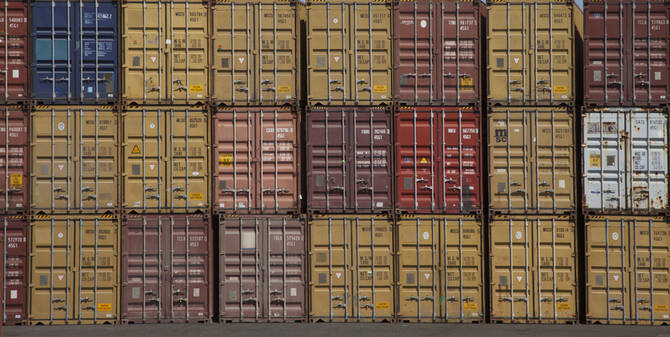
A stack of containers at Abu Dhabi port. Getty
Short Url
Updated 04 August 2025
Follow

Abu Dhabi’s non-oil foreign trade rises 34.7% to $53.2bn in H1

RIYADH: Abu Dhabi’s non-oil foreign trade saw an annual rise of 34.7 percent during the first half of 2025 to reach 195.4 billion dirhams ($53.2 billion).

The increase from 145 billion dirhams over the same period in 2024 reflects the strength and resilience of Abu Dhabi’s economy, driven by the efficiency of its infrastructure, advanced logistics services, and strategic investments across key sectors, according to a statement from Abu Dhabi Media Office.

These factors have helped facilitate trade flows and ensure the smooth movement of goods through border crossings.

This comes as the UAE aims to hit a 4 trillion dirhams target for non‑oil foreign trade by 2031, but officials say it is now poised to reach that milestone within two years, four years ahead of schedule.

Non-oil exports surged 64 percent to 78.5 billion dirhams from 47.9 billion dirhams in the first half of 2025, while imports rose 15 percent to 80 billion dirhams compared to 70 billion dirhams in the first half of 2024, according to figures released by the General Administration of Abu Dhabi Customs.

Re-exports recorded a 35 percent growth, reaching over 36 billion dirhams, up from 26.6 billion dirhams in the same period last year.

“Our consistent growth, amid the challenges in international trade and the global economy, reflects the strength of our long-term economic planning, decisive policy execution, and our commitment to enabling the free and fair exchange of goods, services, and innovations,” Ahmed Jasim Al-Zaabi, chairman of the Abu Dhabi Department of Economic Development, said in the media office report.

He added: “We are doubling down our efforts to position Abu Dhabi among the world’s most business-ready economies by streamlining trade procedures, deploying smart systems, and integrating services to enhance flow and accelerate efficiency, cementing Abu Dhabi’s position as a global trade and investment center, and a key node on international supply chains.”

Rashed Lahej Al-Mansoori, director general of Abu Dhabi Customs, explained how the growth in non-oil foreign trade reflects the success of the emirate’s economic strategies.

He added: “Abu Dhabi Customs remains dedicated to delivering best-in-class services and procedures that accelerate customs clearance and promote integration with both local and international partners, thereby supporting sustainable growth, enabling the future economy, and reinforcing Abu Dhabi’s position on the global trade map.”


Saudi Aramco, ExxonMobil, Samref ink deal to study Yanbu refinery upgrade

Updated 08 December 2025
Follow

Saudi Aramco, ExxonMobil, Samref ink deal to study Yanbu refinery upgrade

RIYADH: Energy giants Saudi Aramco, ExxonMobil, and Samref have signed a venture framework agreement to upgrade the Yanbu refinery and expand it into an integrated petrochemical complex.

As a part of the deal, the companies will explore capital investments to upgrade and diversify production, including high-quality distillates that result in lower emissions and high-performance chemicals, according to a joint press statement.

The agreement will also see the parties explore opportunities to improve the refinery’s energy efficiency and reduce environmental impacts from operations through an integrated emissions-reduction strategy.

Samref is an equally owned joint venture between Aramco and Mobil Yanbu Refining Co. Inc., a wholly owned subsidiary of Exxon Mobil Corp.

The refinery currently has the capacity to process more than 400,000 barrels of crude oil per day, producing a diverse range of energy products, including propane, automotive diesel oil, marine heavy fuel oil, and sulfur.

“This next phase of Samref marks a step in our long-term strategic collaboration with ExxonMobil. Designed to increase the conversion of crude oil and petroleum liquids into high-value chemicals, this project reinforces our commitment to advancing Downstream value creation and our liquids-to-chemicals strategy,” said Aramco Downstream President, Mohammed Y. Al Qahtani.

He added that the deal will help position Samref as a key driver of the Kingdom’s petrochemical sector’s growth.

The press statement further said that companies will commence a preliminary front-end engineering and design phase for the proposed project, which would aim to maximize operational advantages, enhance Samref’s competitiveness, and help to meet growing demand for high-quality petrochemical products in Saudi Arabia.

The firms added that these plans are subject to market conditions, regulatory approvals, and final investment decisions by Aramco and ExxonMobil.

“We value our partnership with Aramco and our long history in Saudi Arabia. We look forward to evaluating this project, which aligns with our strategy to focus on investments that allow us to grow high-value products that meet society’s evolving energy needs and contribute to a lower-emission future,” said Jack Williams, senior vice president of Exxon Mobil Corp.