- Five companies submit proposals as Islamabad reviews technical, financial feasibility of Gulf route
- Plan aims to position Gwadar as key maritime hub connecting South Asia, Gulf and Central Asia
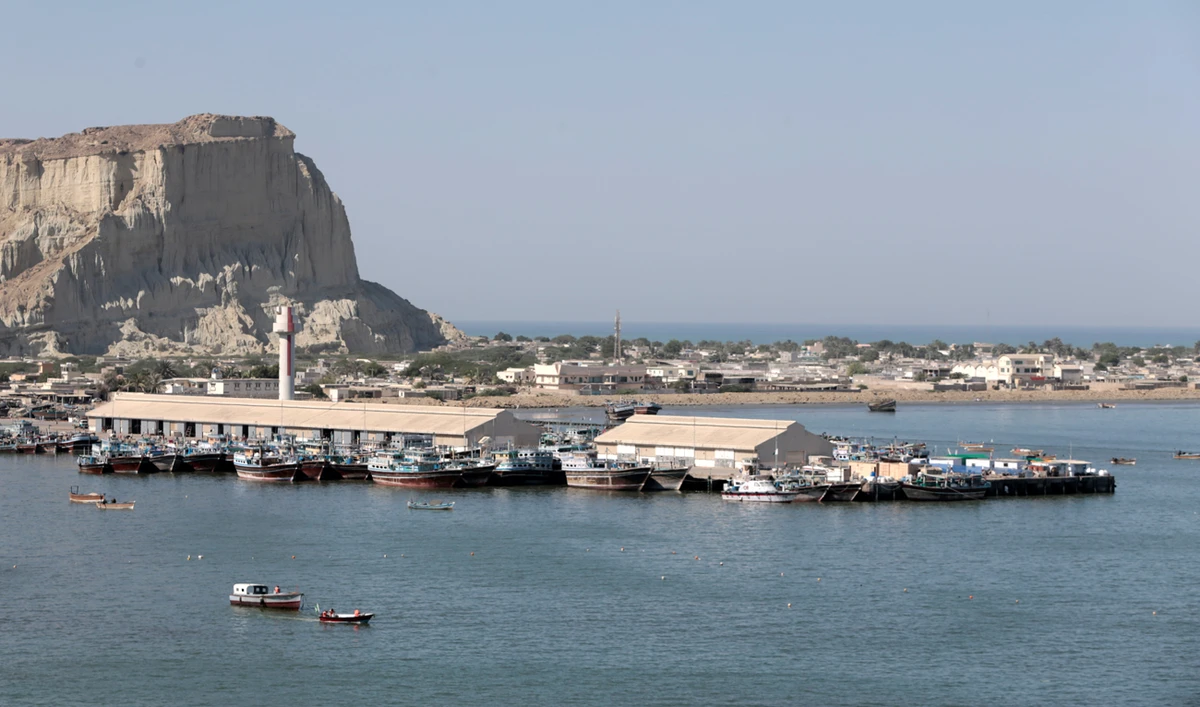
KARACHI: Pakistan has been mulling routes for a ferry service it plans to launch to connect its southwestern Gwadar port with the Gulf region, the country’s maritime affairs ministry said on Friday.
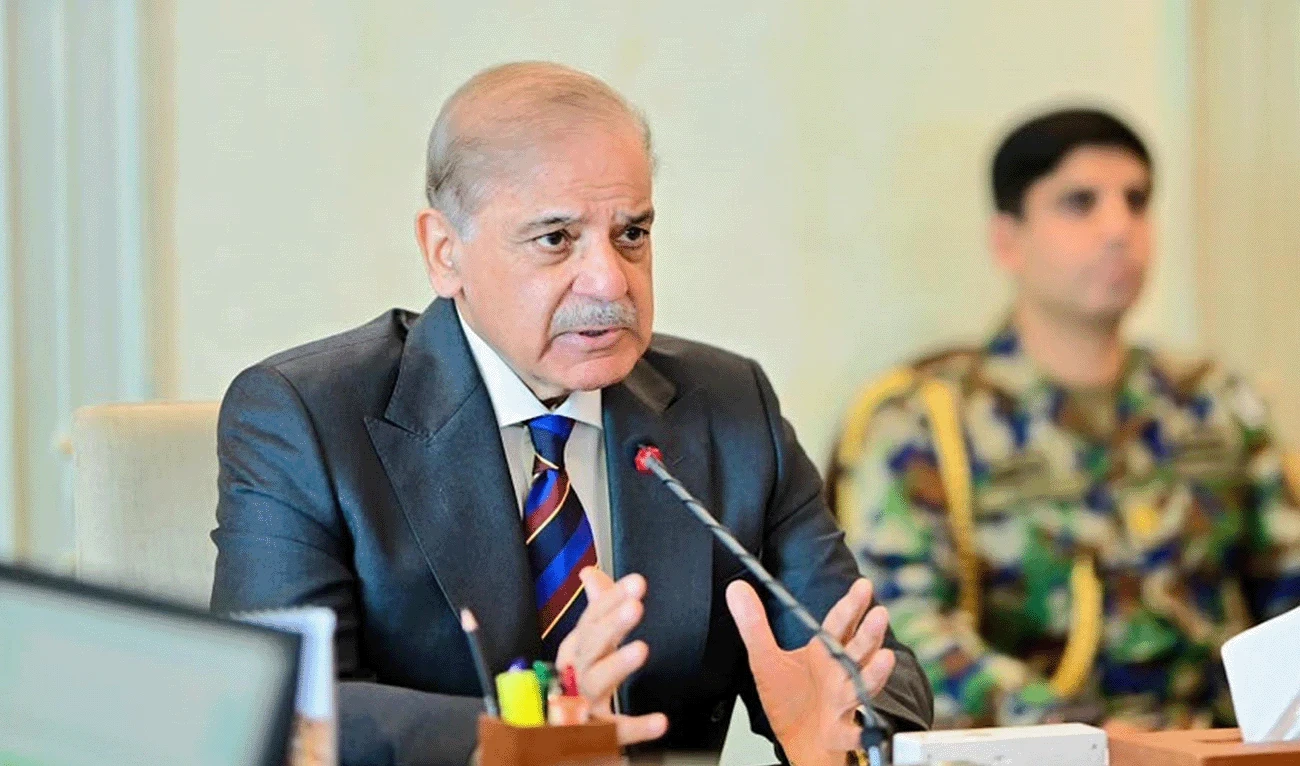
The statement came after a meeting presided over by Federal Minister for Maritime Affairs Junaid Anwar Chaudhry to review matters relating to the proposed ferry service.
Officials at the meeting reviewed technical and financial aspects of ferry operations, according to the ministry. Five privately-owned firms submitted their proposals, showing growing interest of the private sector.
“The ferry service will promote regional connectivity and trade,” Chaudhry was quoted as saying by his ministry. “It is expected to ease movement of passengers and goods from Gulf countries.”
Gwadar, situated along the Arabian Sea, lies at the heart of the China-Pakistan Economic Corridor (CPEC), under which Beijing has funneled tens of billions of dollars into massive transport, energy and infrastructure projects in Pakistan.
Pakistani officials say the geostrategic location of the southwestern Pakistani coastal town in the Balochistan province offers the shortest trade route to the Gulf and landlocked Central Asian states, highlighted its potential as a regional transshipment hub.
During the meeting, Chaudhry telephoned Balochistan Chief Minister Sarfaraz Bugti and discussed provincial cooperation with him, according to the maritime affairs ministry. Bugti assured his full cooperation for the project.
“The ferry service will highlight Gwadar on the international maritime map,” Chaudhry added.
The development comes amid Pakistan’s efforts to capitalize on its geostrategic location to boost transit trade as it slowly recovers from a macroeconomic crisis under a $7 billion International Monetary Fund (IMF) program.
The country also plans to cut container dwell time at its seaports by up to 70 percent to improve trade competitiveness and ease congestion, while it last month reduced port charges for exporters by 50 percent at the second largest Port Qasim.