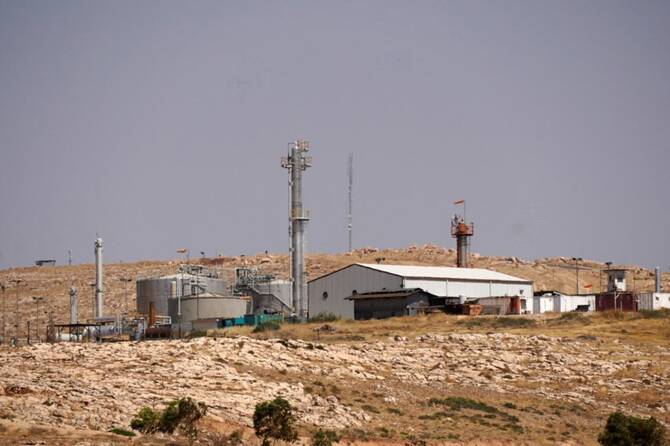
BAGHDAD: A drone loaded with explosives struck an oil field in Iraq’s northern Kurdistan region on Thursday, Kurdish forces said — the second attack in two days on the Norwegian-operated site.
“At 10:55 am (0755 GMT) a new attack by an explosives-laden drone hit” the DNO-operated Tawke field in Zakho disrict, Kurdistan’s counterterrorism services said.
No casualties or damage were reported.
Similar attacks on Wednesday forced the Norwegian firm to suspend operations at the Tawke and Peshkabir oil fields.
Another two attacks targeted an oil field operated by the US firm Hunt Oil in Duhok province.
In the past few weeks, Kurdistan has seen a spate of unclaimed drone attacks, which have come as the regional government and the federal authorities in Baghdad wrangle over control of export revenues from the Kurdistan fields.
Several oil fields in the region have been hit in the space of a week.
The Association of the Petroleum Industry of Kurdistan (APIKUR) — which represents international oil firms in the region, including DNO, and Hunt — condemned the attacks Wednesday.
It added that the majority of its members have suspended production “totalling over 200,000 barrels per day.”
Long plagued by conflict, Iraq frequently experiences such attacks, often linked to regional proxy struggles between Iran and the United States and its ally Israel.
There has been no claim of responsibility for any of the past week’s attacks, and Baghdad has promised an investigation to identify the culprits.
But a Kurdish official, who requested anonymity, blamed the recent attacks on the Popular Mobilization Forces — Hashed Al-Shaabi in Arabic — a coalition of pro-Iran former paramilitaries now integrated into the regular armed forces.
“We hold the Iraqi government responsible because they are funding the PMF, which is attacking the oil infrastructure,” he told AFP Wednesday.


![]()

Drone hits oil field in Iraq’s Kurdistan for second day
Short Url
https://arab.news/8krs9
Drone hits oil field in Iraq’s Kurdistan for second day
Latest updates






© 2026 SAUDI RESEARCH & PUBLISHING COMPANY, All Rights Reserved And subject to Terms of Use Agreement.