




RIYADH: Sereh, a beloved African dish rooted in Nigerian tradition, has carved out a place for itself in the culinary landscape of Saudi Arabia.
Once popular as a street food in Makkah’s older neighborhoods such as Al-Mansour, Al-Hafayer, and Al-Barno, sereh has grown beyond its origins to reflect a story of migration, cultural exchange, and shared taste.

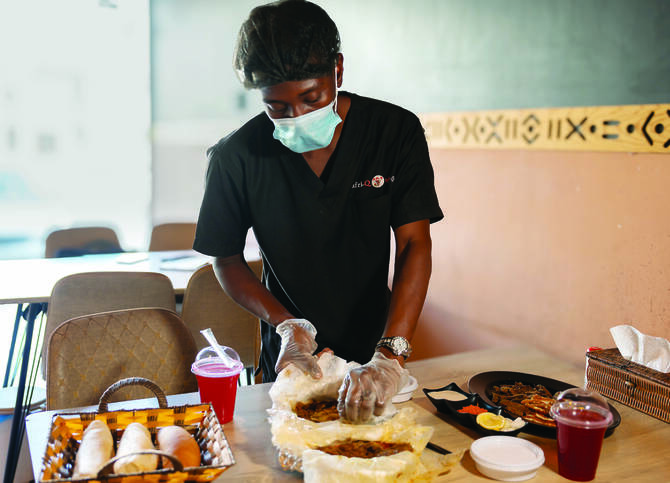
Traditionally, sereh consists of skewered beef seasoned with a bold blend of African spices. (AN photo by Huda Bashatah)
Traditionally, sereh — also known as tsire or suya — consists of skewered beef seasoned with a bold blend of African spices, then roasted over an open flame. This method creates not only a flavorful dish but an aromatic experience that draws people in.
“Tamiz, or Afghani bread, was also a street food, so they were often enjoyed together,” said Rodwan Fallatah, owner of the African restaurant AfriQ in Riyadh.
FASTFACT
Sereh’s journey from West African street stalls to Saudi dinner tables captures the essence of Makkah’s openness.
“You roast the sereh until it’s hot, and with tamiz nearby, you simply grab some hot bread to enjoy with it.”
The dish originates from the Hausa tribe, an ethnic group with a strong presence in northern Nigeria, southern Niger, and beyond.

Traditionally, sereh consists of skewered beef seasoned with a bold blend of African spices. (AN photo by Huda Bashatah)
“As a proud member of the Hausa tribe, I take great pride in seeing our traditional dish being enjoyed far beyond Hausa land, reaching communities across Africa and even here in Saudi Arabia,” said Zainab Hawsawi, a Saudi writer and businesswoman.
She noted that the typical Hausa kitchen is a treasure trove of rich and diverse flavors, featuring meat dishes like dambu nama, delicately shredded and seasoned dried beef; kilishi, thinly sliced, spiced, and sun-dried meat; and balangu, famous for its juicy, freshly grilled pieces.
“But nothing compares to the explosion of flavors you experience when eating suya, especially as you dip each piece into yaji, the signature blend of spicy suya dipping spices,” she added.
The introduction of sereh to Saudi Arabia is believed to be linked to the Hajj pilgrimage, when people from across the world brought with them their cultural traditions, including food.
Sereh gradually integrated into the local food scene, creating a fusion of flavors that captivated the taste buds of residents.
“I think the logical answer would be migration,” said Fallatah, emphasizing how pilgrims helped introduce the dish into Makkah’s multicultural food scene.
Makkah, long regarded as a cultural crossroads, provided fertile ground for this culinary exchange. As locals encountered new dishes, they began to experiment and adapt.
Originally from Madinah, Fallatah moved to Riyadh in 1997 and opened AfriQ, where he serves sereh among other dishes.
His passion for African cuisine has made his restaurant a popular spot for both locals and visitors.
“The spices are unique, and the preparation of sereh is different. Locals observe and learn, and soon they want to try it themselves,” he explained, noting that demand is especially strong in hotels catering to pilgrims and tourists.
Sereh’s journey from West African street stalls to Saudi dinner tables captures the essence of Makkah’s openness and the Kingdom’s growing embrace of cultural diversity through food.
As it continues to evolve, sereh stands as a flavorful reminder of how Saudi kitchens are becoming more globally inspired — one skewer at a time.


