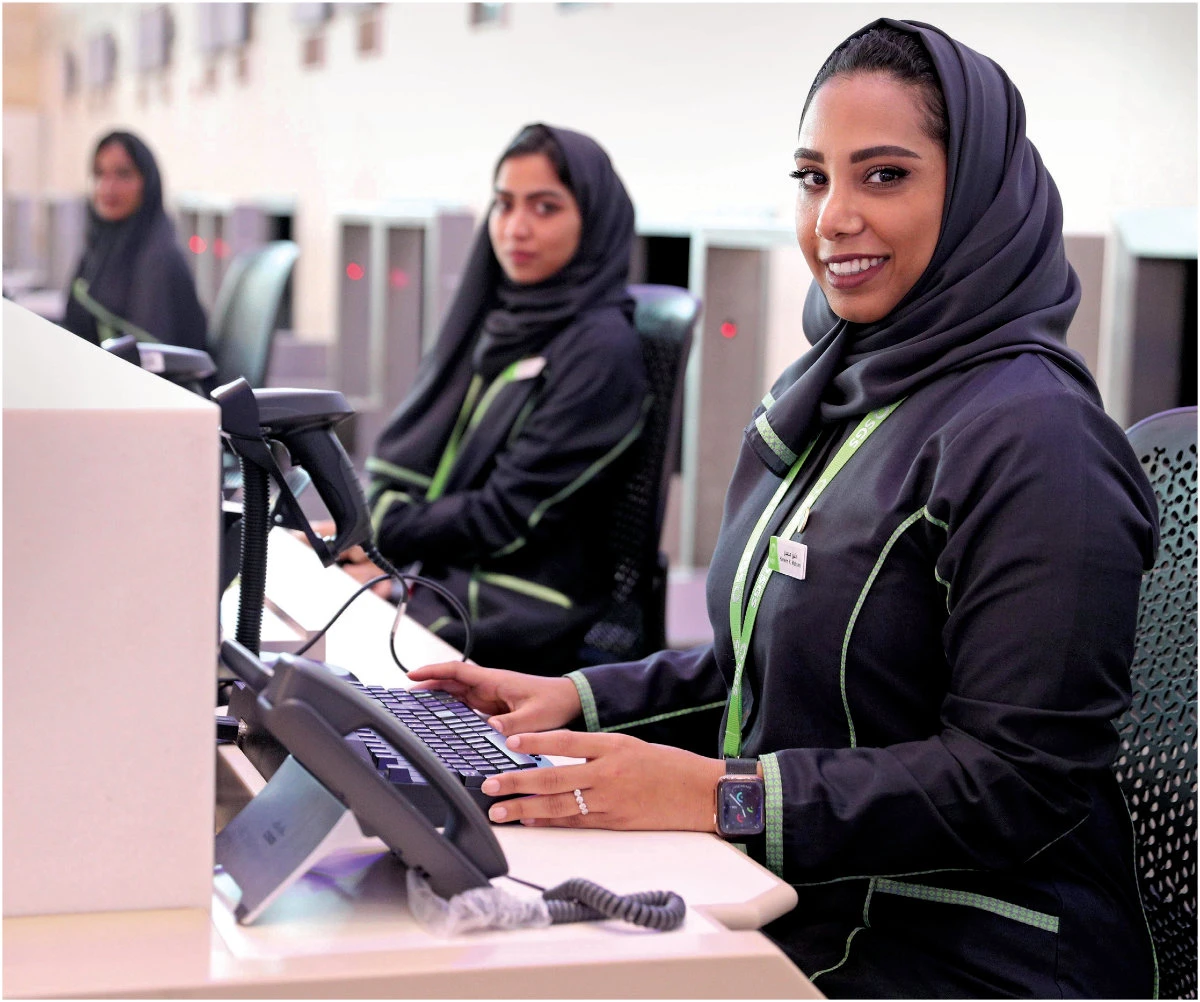
- Kingdom’s rapidly expanding sectors are creating an unprecedented demand for highly skilled professionals
RIYADH: As Saudi Arabia accelerates its transformation under Vision 2030, a critical question has emerged: Can the Kingdom build a homegrown tech workforce strong enough to power its digital ambitions?
From artificial intelligence and smart mobility to fintech and clean energy, the Kingdom’s rapidly expanding sectors are creating an unprecedented demand for highly skilled professionals. Yet despite billions in investments and major infrastructure rollouts, supply still lags behind demand.
This challenge, however, is far from ignored.
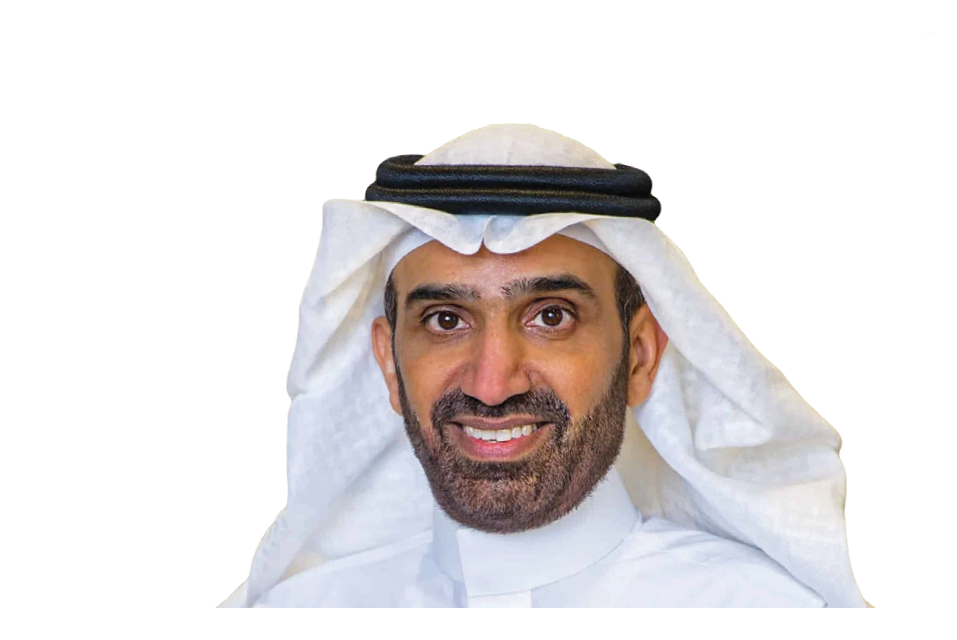
“We are proud to take human capital development to the next level,” said Minister of Human Resources and Social Development Ahmed Al-Rajhi, during the launch of the National Skills Platform in April 2025. “Technical expertise alone is not enough. Leadership, strategic thinking, and adaptability are equally important, and skilling and reskilling for the workforce is a national priority that all stakeholders should engage in.”
The AI-powered platform connects Saudi job seekers to customized learning pathways, marking a shift toward demand-driven education and training.
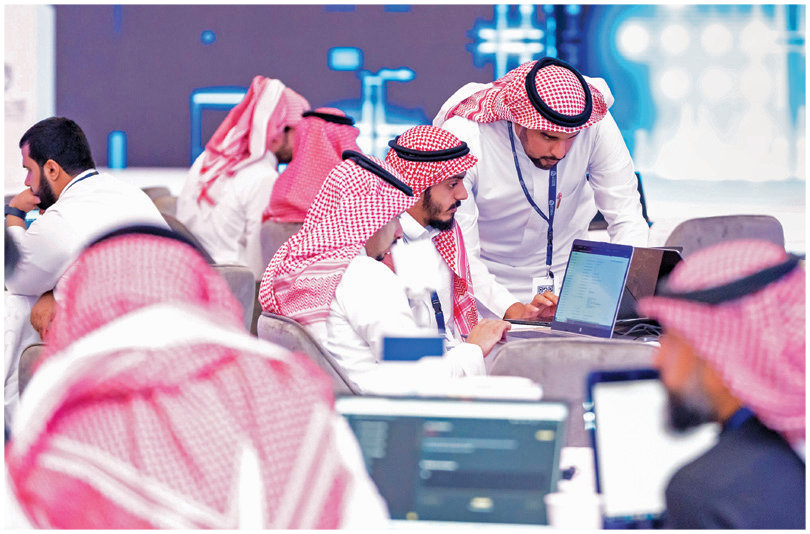
A national priority
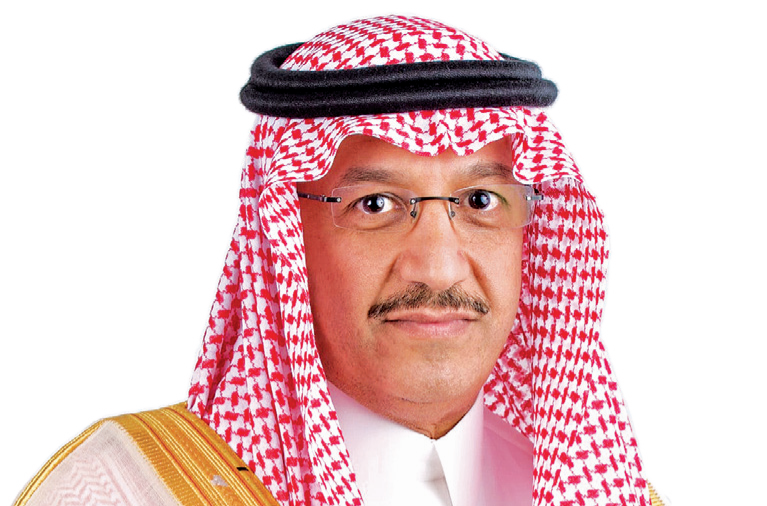
Education Minister Yousef Al-Benyan, who also chairs the executive committee of the Human Capability Development Program, emphasized the broader purpose behind the Kingdom’s reforms.
“Vision 2030 is not just a roadmap for national transformation — it is a model for how investment in people can drive sustainable progress,” Al-Benyan wrote in an April op-ed for Arab News titled “Vision 2030: Elevating human capability in a changing world.”
Citing the World Economic Forum’s Future of Jobs Report 2025, he noted that while 170 million new jobs will emerge globally by 2030, another 92 million will be displaced. He warned that 44 percent of core skills are set to change within five years, with digital and AI literacy becoming as fundamental as reading and math.
“Without these,” he wrote, “individuals are unable to participate meaningfully in today’s digital economy.”
Scaling up training and inclusion
This outlook is shaping some of Saudi Arabia’s most ambitious workforce initiatives. Among them is the Waad National Training Campaign, launched in 2023 and supported by more than 70 organizations. The program surpassed 1 million training opportunities in its first phase and now targets 3 million by the end of 2025.
Waad’s Women’s Employment Track has been particularly successful, with a 92 percent retention rate in tech roles—contributing to a record rise in female participation across the digital economy.
Waad, Al-Rajhi noted, is an investment in “the promise of human potential.”
Meanwhile, the Future Skills Training Initiative, led by the Ministry of Communications and Information Technology since 2020, has provided training to hundreds of thousands of Saudis in areas like cybersecurity, data science, and cloud computing. Supported by the Digital Skills Framework and private-sector partnerships, it has grown steadily.
One such partnership — a 2023 collaboration with IBM — aimed to train 100,000 Saudis in AI and machine learning.
Talent gaps persist
Despite this progress, a 2025 report by Nucamp and the ministry highlighted a 20 percent shortfall between tech job vacancies and qualified local talent. Critical roles such as AI engineers, cloud architects, and data analysts remain in short supply.
“Demand for AI and cloud experts far exceeds supply,” said Ahmed Helmy, managing director for SAP in the Middle East, in an April interview with Asharq Al-Awsat. The result: fierce competition among employers.
To meet short-term needs, Saudi Arabia is tapping into international expertise. The Premium Residency Program, launched in 2021, allows skilled foreign professionals to live and work in the Kingdom without a local sponsor. By late 2023, more than 2,600 had taken advantage of the scheme.
In 2024, five new visa categories were introduced to attract investors, entrepreneurs, and tech specialists. These include provisions that exempt founders from Saudization quotas for their first three years—providing flexibility to scale teams while supporting local hiring in the long term.
“Such incentives allow skilled professionals to have a more stable life and make long-term investments in their careers in Saudi Arabia,” said Raymond Khoury, partner at Arthur D. Little, in May.
Still, officials stress that international hiring is a stopgap — not a substitute.
“While attracting global talent is crucial, sustainable growth depends on balancing international expertise with local knowledge development,” said Mamdouh Al-Doubayan, MENA managing director at Globant.
To that end, foreign hires are increasingly being integrated not just as employees, but as mentors and trainers.
Startups adapt with remote models
In the private sector, startups are turning to remote hiring to bypass local talent shortages. A 2024 study by Wamda found that many Saudi companies are building distributed teams, sourcing tech talent from Egypt, Jordan, and other regional markets. This strategy shortens hiring cycles and enables around-the-clock operations.
The trend aligns with the Kingdom’s Telework Initiative, which certifies employers to offer remote roles to Saudis—especially women and those living outside major urban centers.
Competitive pressures from giga-projects
The hiring challenge became especially acute in 2023. That year, PwC’s Middle East Workforce Survey reported that 58 percent of Saudi firms struggled to fill key tech roles. A MAGNiTT report found that 65 percent of startup founders saw the shortage of senior tech talent as their top obstacle.
A concurrent survey by Flat6Labs noted that many startups were delaying product launches due to staffing shortages, losing talent to mega-projects offering 30 to 50 percent higher salaries.
“Engineers and product managers often defect to deep-pocketed giga-projects that offer salaries 30–50 percent above startup pay,” wrote venture adviser Aditya Ghosh in a November 2023 LinkedIn Pulse column.
Bridging the divide
Education leaders are working to close this gap. Khalid Al-Sabti, chairman of the Education and Training Evaluation Commission, said in a 2024 Arab News interview that Saudi Arabia is aligning its curriculum with global benchmarks.
“We must ensure our graduates meet international standards to compete globally,” he said.
This includes revising curricula, emphasizing hands-on projects, and embedding industry into the classroom through partnership programs. The Talent Enrichment Program, for example, spans 160 countries and offers global certifications to Saudi learners.
Encouragingly, Saudi Arabia’s position in the IMD World Talent Ranking improved in 2023. Companies such as STC, Aramco Digital, and Elm are now hiring directly from local boot camps and training centers — evidence that education and industry are beginning to align.
The road ahead
Ultimately, the success of Saudi Arabia’s tech talent strategy will be measured not just by enrollments or credentials, but by how effectively new graduates are absorbed into the workforce.
If current reforms continue at scale, the Kingdom may not only satisfy its domestic tech demand — but emerge as a regional hub for digital talent.
As Al-Benyan wrote: “By investing in people, fostering global collaboration, and redefining the future of work, Saudi Arabia is demonstrating that human capability is the ultimate driver of progress.”