

Pakistan PM urges ECO states to build carbon market, green corridors amid climate crisis

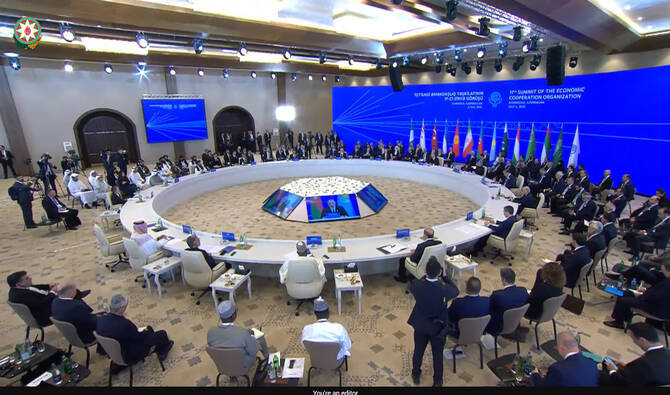
This screengrab shows the Economic Cooperation Organization summit in Khankendi, Azerbaijan on July 4, 2025. (Screengrab/ECO)
Short Url
Updated 04 July 2025
Follow

Pakistan PM urges ECO states to build carbon market, green corridors amid climate crisis

  • PM Sharif says climate-induced disasters pose an existential challenge for many ECO countries
  • He calls trade and investment key to achieving common goals, boosting regional connectivity

ISLAMABAD: Prime Minister Shehbaz Sharif on Friday called for the establishment of low-emission corridors and a regional carbon market to mobilize climate finance across member states of the Economic Cooperation Organization (ECO), warning that climate change was threatening food security and livelihoods of millions in the region.

Addressing the 17th ECO Summit in Khankendi, Azerbaijan, the Pakistani prime minister highlighted the devastating impacts of climate change and urged regional cooperation to mitigate these risks.

The summit focused on trade, sustainable development and enhanced regional connectivity.

“Like the rest of the world, ECO member states are facing far-reaching impacts of climate change, from melting glaciers, desertification, extreme heat waves, devastating floods and declining agricultural productivity,” Sharif said in his speech. “These challenges threaten the food security and livelihoods of millions of our people. Pakistan remains among the top 10 countries that are most vulnerable to climate change.”

“Pakistan proposes the development of low-emission corridors, an ECO-wide carbon market platform and regional disaster resilience systems,” he continued. “A dedicated framework to mobilize climate finance along with regional clean energy corridors and eco-tourism initiatives can further drive inclusive, sustainable growth, creating green jobs, especially for youth and women and supporting livelihoods in vulnerable regions.”

The prime minister cited the catastrophic 2022 floods in Pakistan as a grim example of climate vulnerability, recalling that over 33 million people were affected, with widespread damage to lives, livelihoods and infrastructure.

He also referenced recent flash floods during the current monsoon season that have claimed over 60 lives, noting that climate-induced disasters now pose an existential challenge for many ECO countries.

TRADE, TOURISM, CONNECTIVITY

The prime minister also urged ECO member states to expedite the implementation of the ECO Trade Agreement, originally envisioned as a cornerstone of regional integration under the ECO Vision 2025.

“Promotion of trade and investment holds the key to securing our common goals for strengthening regional connectivity,” he said, citing the need to activate transport corridors, ensure energy security and foster intra-regional tourism and economic growth.

While the agreement was reached during the 13th ECO Summit in Islamabad in 2017, it is yet to be operationalized.

Sharif called for renewed efforts to build on the region’s shared heritage and historic Silk Road synergies.

“As members of the ECO family, sharing strong commonalities of history and geography, of faith and culture, we have a firm basis for lasting cooperative relationships,” he added. “Let us … channel our collective energies toward a future that guarantees our people’s life of peace, progress and prosperity.”

Pakistan warns of strict action against hoarding petroleum products amid Iran crisis

Updated 4 sec ago
Follow

Pakistan warns of strict action against hoarding petroleum products amid Iran crisis

  • OGRA says reports indicate “certain elements” may attempt to hoard petroleum products for profiteering
  • Oil and Gas Regulatory Authority says Pakistan’s petroleum reserves stocks adequate, no need for panic buying

ISLAMABAD: Pakistan’s Oil and Gas Regulatory Authority (OGRA) warned on Thursday that the government will take strict action against anyone found illegally hoarding petroleum products for profiteering, amid fears of a shortage of energy supplies due to the ongoing conflict in the Middle East. 

Pakistan has formed a government committee to monitor the country’s stock of petroleum products amid ongoing hostilities between the US and Israel against Iran. The committee is also reviewing supply chains, price movements and assessing broader implications for inflation, external accounts, and financial stability due to the crisis. 

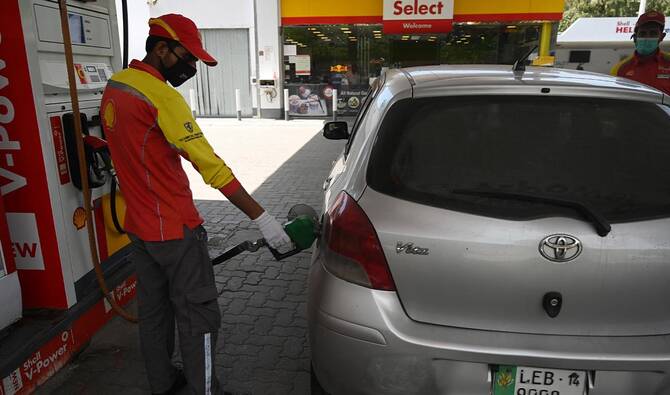
OGRA has repeatedly urged that Pakistan’s stock of petroleum products is adequate and urged the masses not to take part in panic buying. On Wednesday, it allowed oil marketing companies to regulate supplies to their retail outlets so as to discourage hoarding.

“It has been emphasized that strict action will be taken against any individual or entity found involved in illegal hoarding or storage of petroleum products at unauthorized locations,” OGRA spokesperson Imran Ghaznavi said in a statement.

“Particularly at places other than duly licensed oil depots and retail outlets of Oil Marketing Companies (OMCs).”

The OGRA spokesperson said reports indicate certain elements may attempt to hoard petroleum products for profiteering. It said that provincial chief secretaries have been requested to direct deputy commissioners to conduct inspections in their jurisdictions. 

“Any premises found involved in illegal storage of petroleum products will be sealed and action will be taken in accordance with the law,” OGRA warned. 

The spokesperson said OGRA was monitoring energy supplies in Pakistan, adding that inspections are being conducted at oil depots and retail outlets to ensure smooth supply of petroleum products.

“The public is advised not to pay attention to rumors and to continue normal consumption patterns, as the petroleum supply situation in the country remains stable,” it added. 

Pakistan this week asked Saudi Arabia to help Islamabad secure crude oil supplies through the Red Sea port of Yanbu, as the Strait of Hormuz’s closure threatens the country’s energy supply routes.

Pakistan fears higher global energy prices could lead to consumers paying more for petrol and shelling out more for groceries and other goods, at a time when many are already feeling the impacts of inflation.

Pakistan warns of strict action against hoarding petroleum products amid Iran crisis

OGRA says reports indicate “certain elements” may attempt to hoard petroleum products for profiteering

Oil and Gas Regulatory Authority says Pakistan’s petroleum reserves stocks adequate, no need for panic buying

Arab News Pakistan 

Islamabad: Pakistan’s Oil and Gas Regulatory Authority (OGRA) warned on Thursday that the government will take strict action against anyone found illegally hoarding petroleum products for profiteering, amid fears of a shortage of energy supplies due to the ongoing conflict in the Middle East. 

Pakistan has formed a government committee to monitor the country’s stock of petroleum products amid ongoing hostilities between the US and Israel against Iran. The committee is also reviewing supply chains, price movements and assessing broader implications for inflation, external accounts, and financial stability due to the crisis. 

OGRA has repeatedly urged that Pakistan’s stock of petroleum products is adequate and urged the masses not to take part in panic buying. On Wednesday, it allowed oil marketing companies to regulate supplies to their retail outlets so as to discourage hoarding.

“It has been emphasized that strict action will be taken against any individual or entity found involved in illegal hoarding or storage of petroleum products at unauthorized locations,” OGRA spokesperson Imran Ghaznavi said in a statement.

“Particularly at places other than duly licensed oil depots and retail outlets of Oil Marketing Companies (OMCs).”

The OGRA spokesperson said reports indicate certain elements may attempt to hoard petroleum products for profiteering. It said that provincial chief secretaries have been requested to direct deputy commissioners to conduct inspections in their jurisdictions. 

“Any premises found involved in illegal storage of petroleum products will be sealed and action will be taken in accordance with the law,” OGRA warned. 

The spokesperson said OGRA was monitoring energy supplies in Pakistan, adding that inspections are being conducted at oil depots and retail outlets to ensure smooth supply of petroleum products.

“The public is advised not to pay attention to rumors and to continue normal consumption patterns, as the petroleum supply situation in the country remains stable,” it added. 

Pakistan this week asked Saudi Arabia to help Islamabad secure crude oil supplies through the Red Sea port of Yanbu, as the Strait of Hormuz’s closure threatens the country’s energy supply routes.

Pakistan fears higher global energy prices could lead to consumers paying more for petrol and shelling out more for groceries and other goods, at a time when many are already feeling the impacts of inflation.