



PESHAWAR: Authorities in Pakistan’s northwestern Khyber Pakhtunkhwa (KP) province are probing the alleged sale of soap bars, which were provided by the United Nations Children’s Fund (UNICEF) for the country’s campaign against polio, at a market in Peshawar, officials said on Friday.
The comments came after the seizure of over 200 soap bars at the Faqeerabad market in the provincial capital, which bore the “not-for-sale” marking, according to Additional Assistant Commissioner Azimullah Mehsud.
The local administration acted on a tip-off about UNICEF-tagged soap bars being “diverted” to the open market. A preliminary investigation suggested the consignment originated in the southern Sindh province.
Authorities arrested a shopkeeper on June 25, who was selling these soap bars on Facebook and in the local market in the northwestern Pakistani city.
“According to initial investigations, he [the suspect] told us that they got this supply [of soaps] from Sindh,” Mehsud told Arab News. “The person we have arrested told us he gives this [to people] on Facebook marketplace and said, ‘I’m an Afghan national’.”
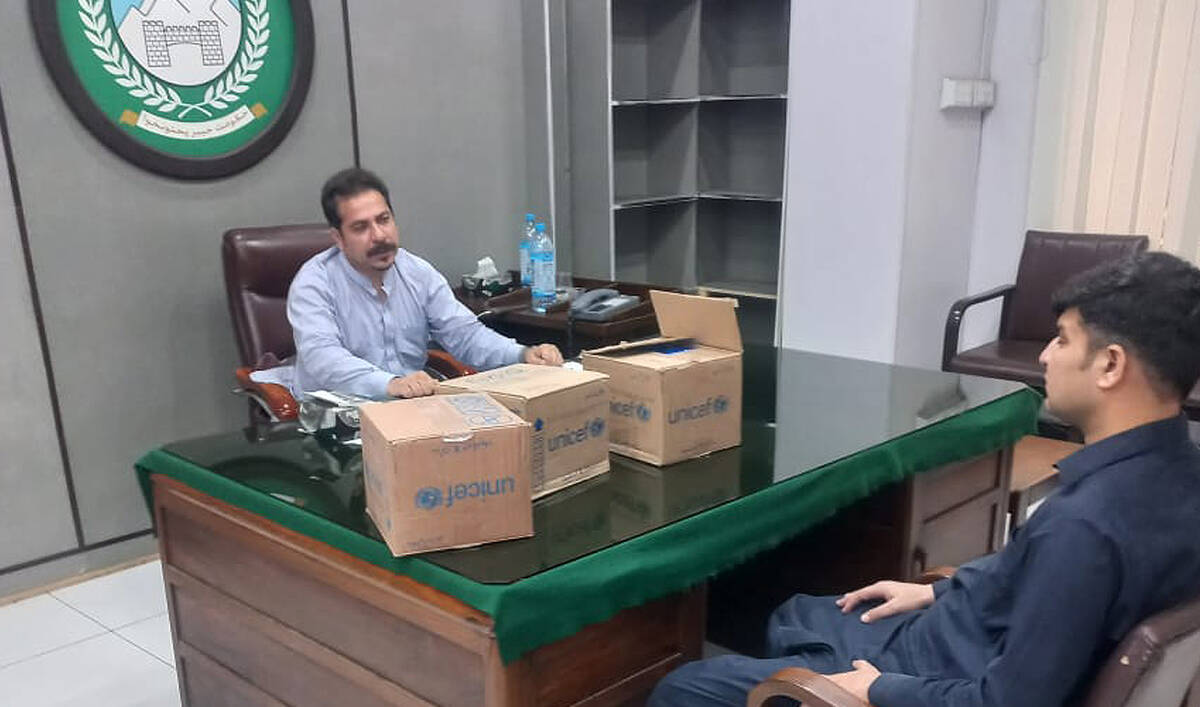
This handout photo, released by the Office of the Deputy Commissioner Peshawar, shows Additional Assistant Commissioner Peshawar Azimullah Mehsud with cartons of UNICEF-tagged soap bars allegedly recovered during a raid at the Faqeerabad market in Peshawar, Pakistan on June 25, 2025. (Handout)
Mehsud said the authorities recovered three cartons during the raid, with a total of 216 soap bars. He said the suspect claimed to have additional stock.
“Here people used to buy [a soap bar] from him at a cost of Rs40 or Rs45 and then used to change its packaging at Rs3, and then [they were] being supplied to Jalalabad, Afghanistan and here in Pakistan, I think, including D.I. Khan and many other places,” he said.
“When we contacted him, he [suspect] told us to come tomorrow and he will arrange 3,000 more [soap bars] for us. Then we told the anti-corruption to locate the link to his network.”
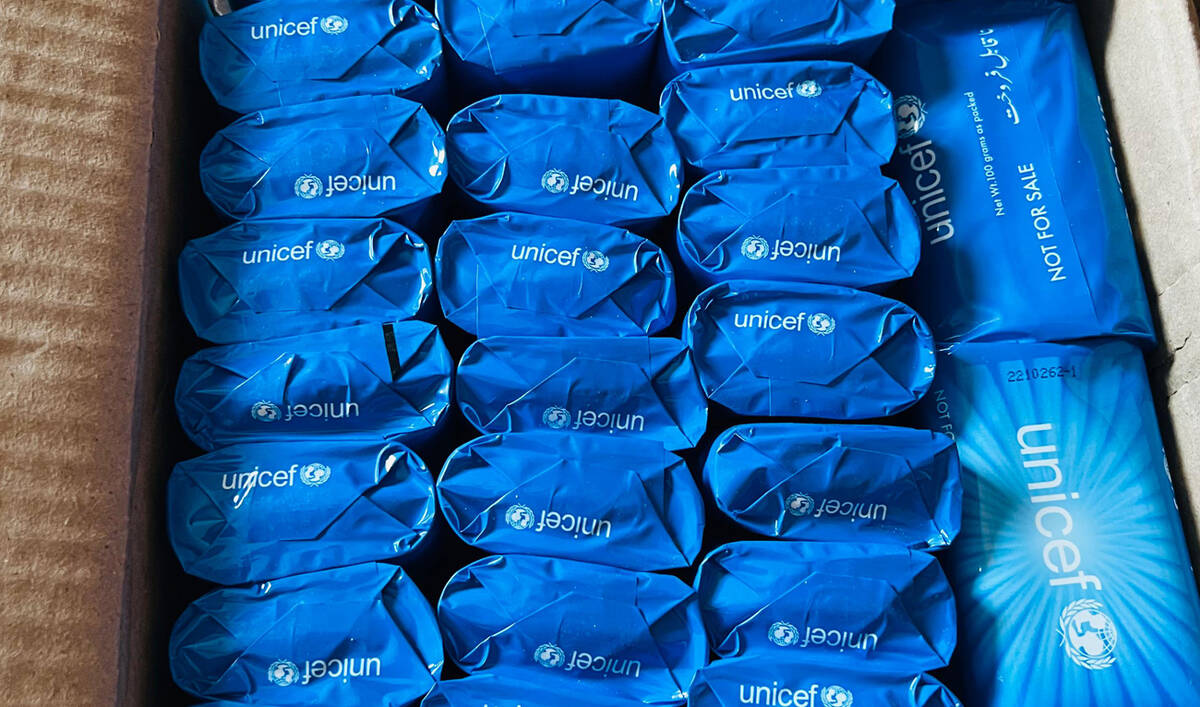
This handout photo, released by the Office of the Deputy Commissioner Peshawar, shows UNICEF-tagged soap bars allegedly recovered during a raid at the Faqeerabad market in Peshawar, Pakistan on June 25, 2025. (Handout)
Arab News reached out to UNICEF’s communication specialist, Zia-ur-Rehman, but did not receive a response to its queries seeking comment on the matter.
Polio is a paralyzing disease with no cure, making prevention through vaccination critical. After a significant decline over the past decades, Pakistan witnessed an intense resurgence of the poliovirus in 2024, with 74 cases reported. According to Pakistan’s polio program, the country has reported 13 cases of the virus so far this year.
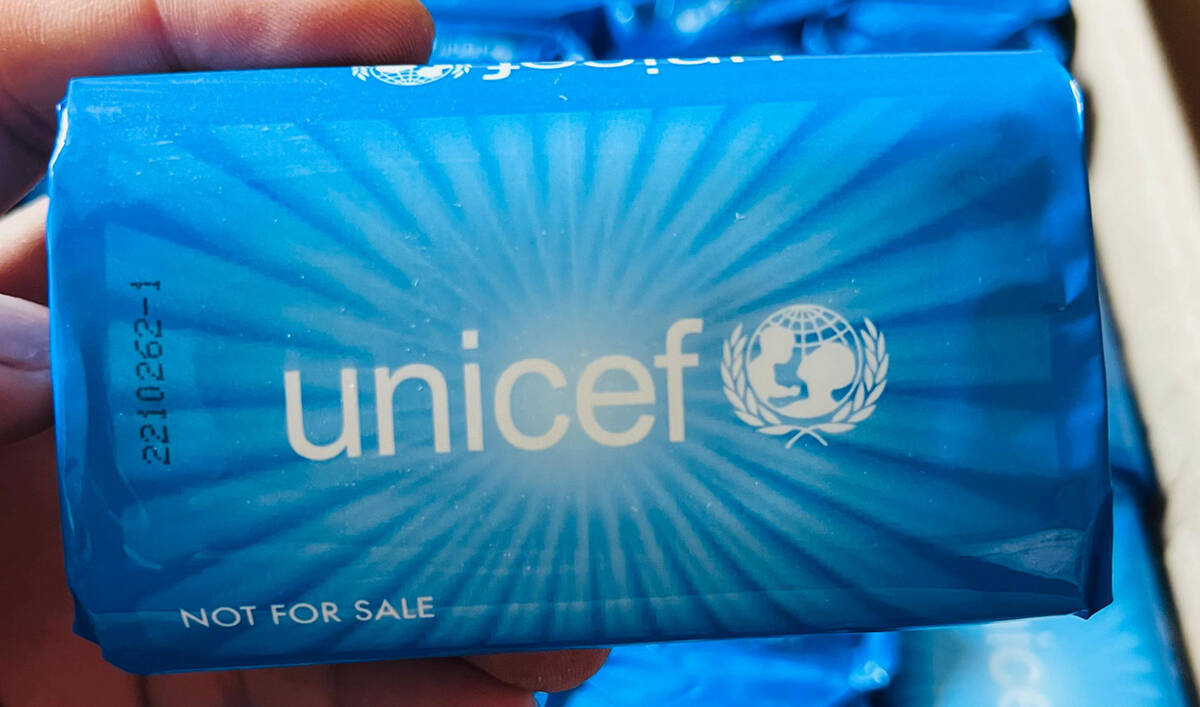
This handout photo, released by the Office of the Deputy Commissioner Peshawar, shows UNICEF-tagged soap bars allegedly recovered during a raid at the Faqeerabad market in Peshawar, Pakistan on June 25, 2025. (Handout)
The KP anti-corruption department plans to send an open letter to UNICEF and the Sindh provincial administration to further investigate the matter.
Humayun Khan, the Peshawar circle officer of the anti-corruption department, confirmed to Arab News that his department had launched an investigation into the case.
“It [investigation] will go ahead properly with a procedure,” he said. “It will take time.”


