

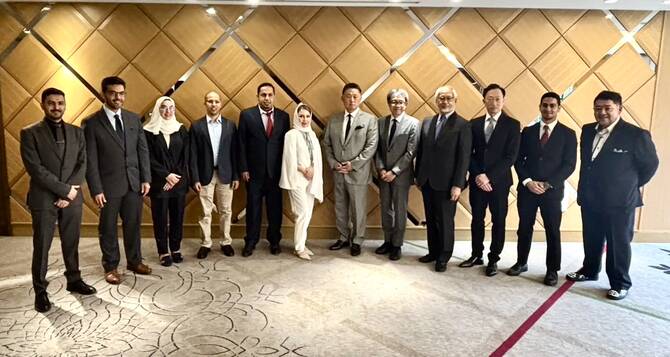

TOKYO: ADR Therapeutics, a subsidiary of Tokyo-based Cytori Cell Research Institute, Inc., has signed a Letter of Intent to conduct a joint clinical trial for “90-minute complete stem cell therapy” with the King Abdullah International Medical Research Center.
The collaboration, reported in PR Times, is expected to drive medical innovation in the Middle East and bring new hope to patients with intractable diseases that were previously considered difficult to treat.
In conventional stem cell therapy, harvested cells must be cultured for anything between several weeks and months at a dedicated facility, resulting in high costs and long waiting times. ADR Therapeutics’ Cellution System purifies non-cultured cells from a patient’s tissue to the state needed for treatment in just 90 minutes and can be administered on the same day of collection.
This provides a safe and effective treatment option for diseases such as osteoarthritis, diabetic foot lesions, Crohn’s disease and chronic pain. The risk of rejection is extremely low because the patient’s own cells are used and the risk of infection is reduced because no culture process is required.
Saudi Arabia has positioned the medical and healthcare sector as a key strategic area in Vision 2030, the national transformation program led by Crown Prince Mohammed bin Salman, and aims to become a world-leading medical hub.
The number of patients in the Middle East with diabetes and other chronic diseases is rapidly increasing due to changes in lifestyle, and a rising number of cases are difficult to treat with conventional therapies.
It is expected the strategic partnership between the Kingdom and Japan in the medical field will be further strengthened by the contribution of Japan-originated stem cell therapy technology to solving local medical issues.
The most important feature of the treatment is that it can be performed at ordinary medical institutions without the need for advanced culture facilities or specialized technicians. This will enable the provision of advanced regenerative medicine in regions with limited specialized facilities and is expected to contribute significantly to improving access to medical care.
Saudi medical professionals will be able to acquire the latest stem cell therapy technology through specialist Japanese doctors providing direct technical guidance locally.


