



ISLAMABAD: Prime Minister Shehbaz Sharif has formed three special sub-committees to promote a “cashless” system in the country, his office said on Monday amid Islamabad’s efforts to promote digital transactions to ensure more transparency in the national economy.
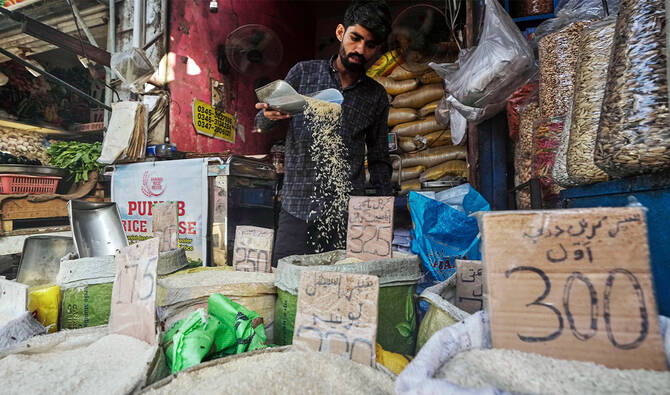
Pakistan is a cash-dominated market where a significant portion of transactions, particularly in the informal sector, are conducted using cash. Pakistan’s central bank has taken steps in recent months to ensure a more cashless economy so that financial transactions are more traceable, reducing chances of tax evasion and corruption.
Pakistan has witnessed significant growth in digital transactions in recent years. The country’s central bank said in April that its instant payment system, Raast, has processed over 892 million transactions amounting to Rs20 trillion ($72 billion) since its launch in 2021.
“Prime Minister Shehbaz Sharif chaired a meeting on promoting a cashless economy,” the Prime Minister’s Office (PMO) said in a statement. “He directed the formation of three committees: Digital Payments Innovation and Adoption Committee, the Digital Public Infrastructure Committee and the Government Payments Committee.”
The press release said these special sub-committees would present recommendations on facilitating payments between the public and businesses, raise awareness about digital systems, activate the Pakistan Digital Authority and simplify transactions between the public and private sectors.
Sharif instructed officials to ensure digital transactions are made more affordable and easier for the public compared to cash ones. He further directed that the RAAST digital payment system be established across the federation and all Pakistani provinces.
“Establishing a digital transaction system is extremely important to bring transparency into the economy,” Sharif was quoted as saying. “Around the world, developed nations and successful economies are prioritizing cashless systems.”
During a briefing given to the premier on the government’s steps to promote a cashless economy, Sharif was told that 40 million users in total are benefiting from RAAST. The Pakistani premier was told that the federal government’s entire financial transactions are being conducted via RAAST and the system is being expanded to provinces as well.
“The Pakistan Digital Authority has been established, and work is underway under its umbrella to promote a cashless economy,” the PMO said.
The prime minister was also briefed that through the IT ministry’s Smart Islamabad Pilot Project, the government is taking steps to make Islamabad the first cashless city in Pakistan.


