

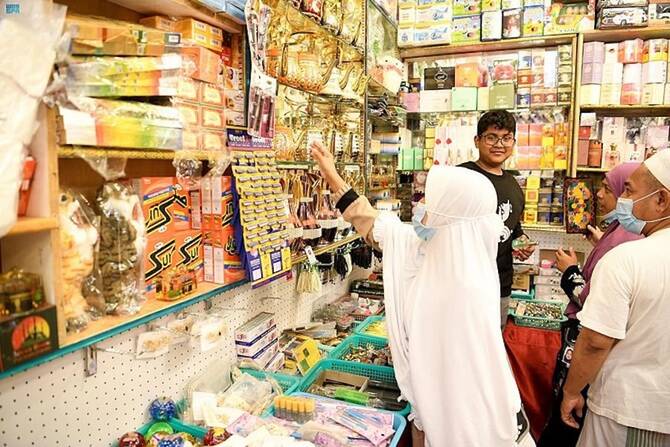
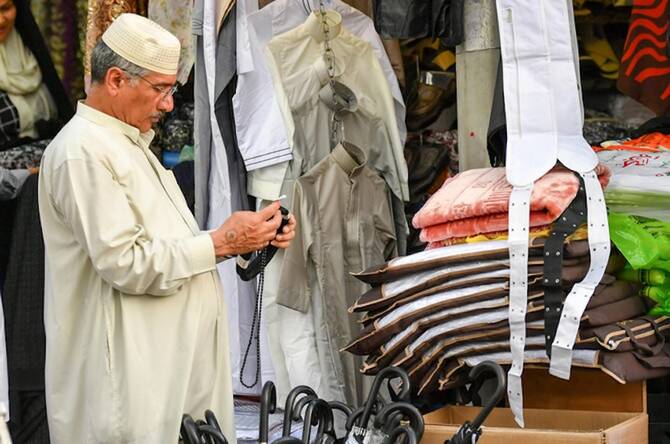
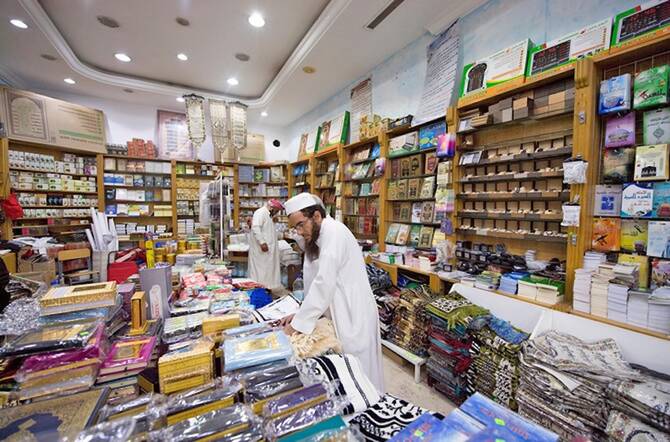
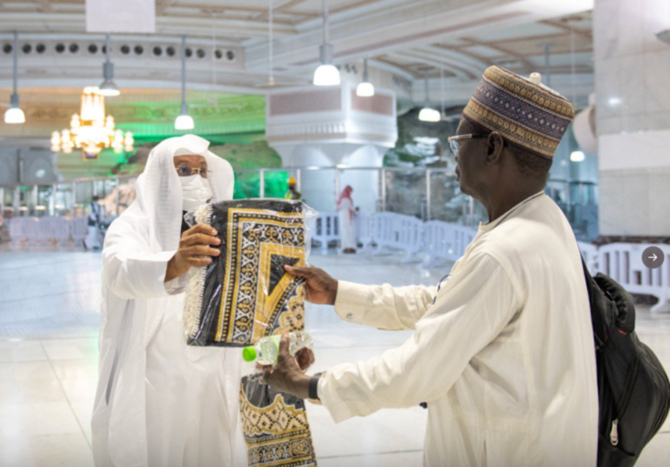

RIYADH: In Saudi Arabia, the end of Hajj doesn’t simply mark the conclusion of a sacred pilgrimage — it opens the door to another cherished tradition.
Gift-giving, known locally as hadiyat al-hajj or “the pilgrim’s gift,” is a gesture that turns a personal journey into a shared blessing. For many, it is an expression of faith, gratitude and love.
While classics like Zamzam water and dates still hold their place, a new generation of Saudi women is redefining this tradition, infusing it with creative spirit, personal stories and intentional detail. From custom packaging to symbolic items and handwritten notes, Hajj gifts today are becoming more than a token — they’re a continuation of the spiritual journey itself.
“I didn’t want to just hand someone a plastic bottle and say, ‘I went’,” said Nawal Al-Subaie, aged 30. “So I put together small bundles with Zamzam water, engraved tasbeeh and handwritten du’a cards for each friend. It was my way of letting them in on the experience.”
The gifts now often carry symbolic meaning — a fragrance that evokes the air of Arafat, prayer cards reflecting moments of silence in Muzdalifah, or a simple stamped tag reading “Hajj Mabroor” in hand-drawn calligraphy. The items are chosen with care, often representing moments that shaped the pilgrim’s heart.
For Dana Al-Hamdan, 26, the most powerful way to preserve the feeling of Hajj was through images. Instead of giving traditional gifts, she printed instant film photographs she took throughout her pilgrimage, labeled with the exact date and time.
“I gave them to my twin sister,” she said. “One was from Arafat just before Maghrib, another from the moment I arrived in Mina. They weren’t staged — they were raw and personal.”
The emotional weight of that gesture lingered far beyond the exchange.
“She kept one photo in her wallet and the other on her desk.” Al-Hamdan said.
This new take on hadiyat al-hajj is trending on social media platforms such as Instagram and TikTok. Videos show everything from Hajj-themed gift boxes and laser-cut Qur’anic bookmarks to handmade pouches, scented oils and memory tokens.
But it isn’t about luxury or performance; it’s about thoughtfulness. Many women prepare the gifts in quiet, reflective settings. Some add prayers or verses. Others prepare items based on personal meaning, such as a prayer for healing, a verse for patience, or an object that symbolizes strength.
Latifa Al-Dossari, 27, created sets of prayer beads and placed them inside tiny velvet bags, along with notes describing what that day of Hajj felt like.
“It was like writing someone a letter from Mina,” she said.
What’s happening with these gifts is part of a larger movement, a shift toward a more expressive, emotionally honest form of spirituality. For many Saudi women, especially younger ones, Hajj is not only a rite to fulfill, but a memory to share, a testimony that invites others in.
Some see hadiyat al-hajj as souvenirs, others see them as silent declarations. “I remembered you,” they say. “I carried your name. This was not a journey I took alone.”
The true beauty of this tradition lies in the unspoken energy that surrounds it. These are not mass-produced tokens; they are gifts that hold time, intention, and prayer.
For the women crafting them, the act is a final ritual, a quiet bridge from the pilgrim’s journey back to daily life, but built with du’a, thought and love rather than stone or scripture.
Because, in the end, the real gift isn’t the Zamzam or the photograph or the beads. It’s the sincerity that comes with it — the kind that says: “You were with me, even when I was away.”


