

What Mauritius can learn from Saudi Arabia’s revolutionary transformation

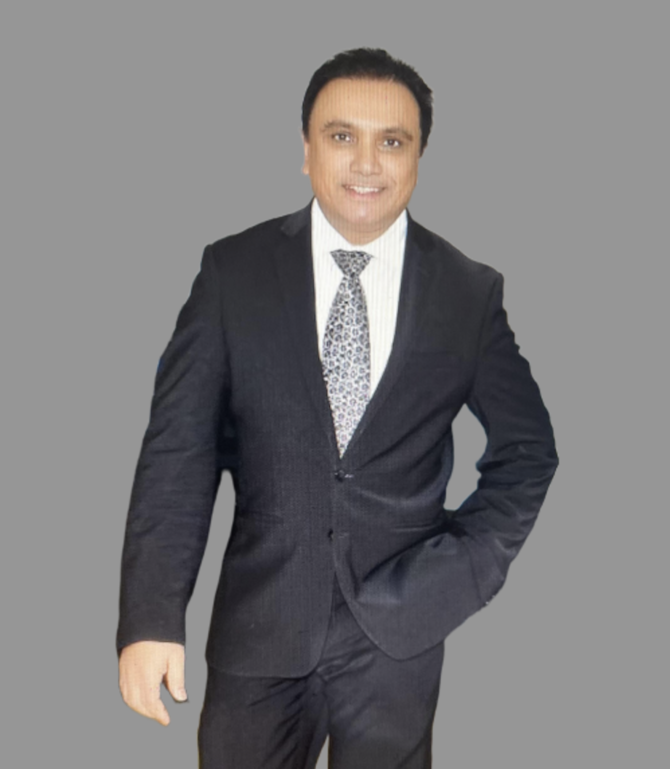
Inayat Ramjean, Hospitality Consultant
Short Url
Updated 29 May 2025
Follow

What Mauritius can learn from Saudi Arabia’s revolutionary transformation

Saudi Arabia, once defined by its oil wealth, is undergoing a dramatic and deliberate transformation through Vision 2030, a bold national strategy spearheaded by Crown Prince Mohammed bin Salman. This plan is not cosmetic, it is systemic. It reimagines the Kingdom as a global leader in technology, innovation, and tourism, moving beyond oil dependency to a diversified, future-ready economy.

Inayat Ramjean, a Mauritian with over 35 years of experience in Saudi Arabia, including leadership roles in international hospitality, has witnessed this transformation first-hand. Now back in Mauritius, he urges his homeland to draw inspiration from the Kingdom’s progress.

Reinvigorating tourism with vision and investment — Saudi Arabia’s pivot toward tourism has been nothing short of revolutionary. From streamlined e-visas to mega-projects like NEOM, Red Sea and AlUla, the Kingdom aims to host 150 million tourists annually by 2030. This has transformed the Kingdom into one of the top 10 most visited countries globally. Mauritius, once a premier destination, is now losing momentum. To reverse this trend, the country must reimagine its tourism model, focus on eco-luxury, and leverage its direct flight connections with Saudi Arabia to tap into new markets.

Leveraging technology and innovation — Saudi Arabia has moved from being a technology consumer to a global innovator, with initiatives in artificial intelligence, renewable energy, and smart infrastructure. Flagship projects like NEOM are powered by AI, renewables, and automation, setting global standards in urban planning and sustainability. Mauritius, with its youthful population and strong ICT foundation, should invest more strategically in digital skills, smart city development, and tech entrepreneurship to future-proof its economy.

Ensuring safety and stability — Saudi Arabia is now ranked the safest country among G20 nations, thanks to a renewed emphasis on public order and national security. In contrast, rising crime and social instability in Mauritius threaten both tourism and investment. Addressing these issues is not just about law enforcement, it’s about creating an environment where citizens and investors feel secure.

Strengthening bilateral and regional partnerships — Inayat played a key role in establishing ties between Saudi Arabia and Mauritius, including the opening of a Saudi embassy and flight connectivity. Mauritius must now position itself as a gateway for Saudi investment into Africa. Aligning with Vision 2030 can unlock partnerships in tourism, health, trade, and broader regional cooperation. Mauritius stands at a turning point. The Saudi model proves what is possible when vision, governance, and ambition converge. If Mauritius embraces reform and bold leadership, it too can become a global example of reinvention and resilience. The time for action is now.

  • The writer, Inayat Ramjean, is a hospitality consultant.

25,000 attend Social Development Bank’s DeveGO25 forum

Updated 27 December 2025
Follow

25,000 attend Social Development Bank’s DeveGO25 forum

The Social Development Bank concluded the second edition of the Entrepreneurship and Modern Business Practices Forum — DeveGo 2025 — announcing the achievement of high-impact outcomes that further reinforced the forum’s position as the largest national platform in the region dedicated to entrepreneurship, innovation, and freelance work in Saudi Arabia and beyond. 

The forum witnessed broad participation from local and international experts, investors, entrepreneurs, and representatives of local, regional, and international institutions.

Over three days at the King Abdulaziz International Conference Center, the forum drew 25,000 participants and visitors, who benefited from over 45 specialized workshops and over 2500 advisory sessions delivered by more than 70 consultants and experts. 

The sessions covered key areas including entrepreneurial planning, business models, venture capital, digital platforms, freelancing, and emerging technologies. 

The forum also featured 20 panel discussions with leading local and international speakers, addressing major global trends in entrepreneurship, including the future of artificial intelligence, the creative economy, digital transformation, and venture investment. 

The forum saw the launch of the Saudi Empretec Fellowship, in the presence of Rebeca Grynspan, secretary-general of the UN Conference on Trade and Development. 

The partners in success within the Social Responsibility Portfolio supporting entrepreneurs were honored. 

It also saw the honoring of 13 winners of the Handicrafts Competition, representing various regions of the Kingdom, the announcement of winners of the Salam Award for Promising Projects, and the recognition of leading entrepreneurial projects fund under the Enterprises Track. 

In addition, the NEXT UP Challenge concluded on the third day of the forum with 20 startups presenting their projects to more than 500 investors, enhancing opportunities for networking and partnership building.

As part of efforts to strengthen the support ecosystem, the forum witnessed the signing of 51 agreements, along with the launch of a suite of new financing products. These included the Capital Expansion Product with a ceiling of up to SR10 million, the Payroll Product with a ceiling of SR2 million, and the Rental Product with a ceiling of SR1.5 million, aimed at supporting enterprises in asset development and covering operational costs. 

This reflects the bank’s direction toward offering more specialized financing tools that respond effectively to market needs.

The forum concluded by reaffirming its role as a unifying national platform for entrepreneurship, where accompanying activities and events provided direct engagement opportunities between entrepreneurs, investors, and experts. 

The forum also highlighted success stories and practical experiences that reflect the scale of entrepreneurial momentum in the Kingdom and the growing role of the Social Development Bank in supporting a national economy driven by innovation and knowledge.