BAGHDAD: Baghdad is working on a deal to free kidnapped Israeli-Russian academic Elizabeth Tsurkov in exchange for an Iranian jailed in Iraq for murdering a US civilian, security sources said Saturday.
The deal depends on US approval, the senior Iraqi security officials told AFP, asking to remain anonymous because the matter is considered sensitive.
Tsurkov, a doctoral student at Princeton University, was kidnapped in Baghdad in March 2023.
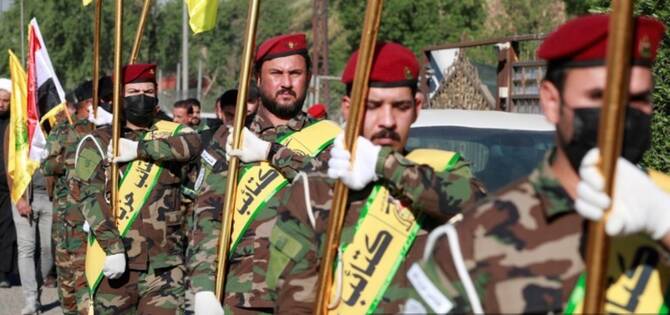
There was no claim of responsibility for her abduction, but Israel accused Iraq’s powerful Kataeb Hezbollah of holding Tsurkov.
The Iran-backed armed faction has implied it was not involved.
Iraq has been working to solve the issue which “depends on the Americans’ approval for the release of the Iranian accused of killing an American citizen,” a senior security source said.
The three Iraqi sources said that Washington has not yet agreed to this.
“The Americans have not yet agreed to one of the conditions, which is the release of the Iranian who is being held for killing an American citizen,” one official said.
Iraq is both a significant ally of Iran and a strategic partner of the United States, and has for years negotiated a delicate balancing act between the two foes.
The Iranian and another four Iraqis were sentenced to life in prison in Iraq for murdering American civilian Stephen Troell, who was shot dead in Baghdad in November 2022.
In December last year, the US Justice Department announced that a “complaint was unsealed... charging” Iranian Mohammad Reza Nouri, “an officer” in the Islamic Revolutionary Guard Corps (IRGC), with allegedly orchestrating the killing.
Tsurkov, who is likely to have entered Iraq on her Russian passport, traveled to the country as part of her doctoral studies.
Security and diplomatic sources have told AFP they do not rule out the possibility that she may have been taken to Iran.
In November 2023, Iraqi channel Al Rabiaa TV aired the first hostage video of Tsurkov since her abduction.
AFP was unable to independently verify the footage or to determine whether she spoke freely in it or under coercion.

Iraq seeks deal to swap kidnapped academic for jailed Iranian
Short Url
https://arab.news/m3k2d
Iraq seeks deal to swap kidnapped academic for jailed Iranian
- Iraqi officials are working on a deal to release kidnapped Israeli academic Elizabeth Tsurkov in exchange for an Iranian jailed for murdering an American civilian
- Tsurkov was kidnapped in March 2023 allegedly by paramilitary group Kataib Hezbollah in Iraq
Hezbollah chief accuses Israel of ignoring ceasefire agreement
- Naim Qassem says moves to disarm his group in Lebanon are an 'Israeli-American plan'
- Lebanese military is expected to complete Hezbollah’s disarmament south of Litani River as oart of ceasefire
BEIRUT: Hezbollah leader Naim Qassem on Sunday said moves to disarm the group in Lebanon are an “Israeli-American plan,” accusing Israel of failing to abide by a ceasefire agreement sealed last year.
Under heavy US pressure and fears of expanded Israeli strikes, the Lebanese military is expected to complete Hezbollah’s disarmament south of the Litani River — located about 30 kilometers (19 miles) from the border with Israel — by the end of the year.
It will then tackle disarming the Iran-backed movement in the rest of the country.
“Disarmament is an Israeli-American plan,” Qassem said.
“To demand exclusive arms control while Israel is committing aggression and America is imposing its will on Lebanon, stripping it of its power, means that you are not working in Lebanon’s interest, but rather in the interest of what Israel wants.”
Despite a November 2024 ceasefire that was supposed to end more than a year of hostilities between Israel and the Iran-backed Hezbollah group, Israel has kept up strikes on Lebanon and has maintained troops in five areas it deems strategic.
According to the agreement, Hezbollah was required to pull its forces north of the Litani River and have its military infrastructure in the vacated area dismantled.
Israel has questioned the Lebanese military’s effectiveness and has accused Hezbollah of rearming, while the group itself has rejected calls to surrender its weapons.
“The deployment of the Lebanese army south of the Litani River was required only if Israel had adhered to its commitments... to halting the aggression, withdrawing, releasing prisoners, and having reconstruction commence,” Qassem said in a televised address.
“With the Israeli enemy not implementing any of the steps of the agreement... Lebanon is no longer required to take any action on any level before the Israelis commit to what they are obligated to do.”
Lebanese army chief Rodolphe Haykal told a military meeting on Tuesday “the army is in the process of finishing the first phase of its plan.”
He said the army is carefully planning “for the subsequent phases” of disarmament.
Under heavy US pressure and fears of expanded Israeli strikes, the Lebanese military is expected to complete Hezbollah’s disarmament south of the Litani River — located about 30 kilometers (19 miles) from the border with Israel — by the end of the year.
It will then tackle disarming the Iran-backed movement in the rest of the country.
“Disarmament is an Israeli-American plan,” Qassem said.
“To demand exclusive arms control while Israel is committing aggression and America is imposing its will on Lebanon, stripping it of its power, means that you are not working in Lebanon’s interest, but rather in the interest of what Israel wants.”
Despite a November 2024 ceasefire that was supposed to end more than a year of hostilities between Israel and the Iran-backed Hezbollah group, Israel has kept up strikes on Lebanon and has maintained troops in five areas it deems strategic.
According to the agreement, Hezbollah was required to pull its forces north of the Litani River and have its military infrastructure in the vacated area dismantled.
Israel has questioned the Lebanese military’s effectiveness and has accused Hezbollah of rearming, while the group itself has rejected calls to surrender its weapons.
“The deployment of the Lebanese army south of the Litani River was required only if Israel had adhered to its commitments... to halting the aggression, withdrawing, releasing prisoners, and having reconstruction commence,” Qassem said in a televised address.
“With the Israeli enemy not implementing any of the steps of the agreement... Lebanon is no longer required to take any action on any level before the Israelis commit to what they are obligated to do.”
Lebanese army chief Rodolphe Haykal told a military meeting on Tuesday “the army is in the process of finishing the first phase of its plan.”
He said the army is carefully planning “for the subsequent phases” of disarmament.
© 2025 SAUDI RESEARCH & PUBLISHING COMPANY, All Rights Reserved And subject to Terms of Use Agreement.


