Pakistan conducts trainings for Hajj support staff to assist pilgrims at Mashair sites 

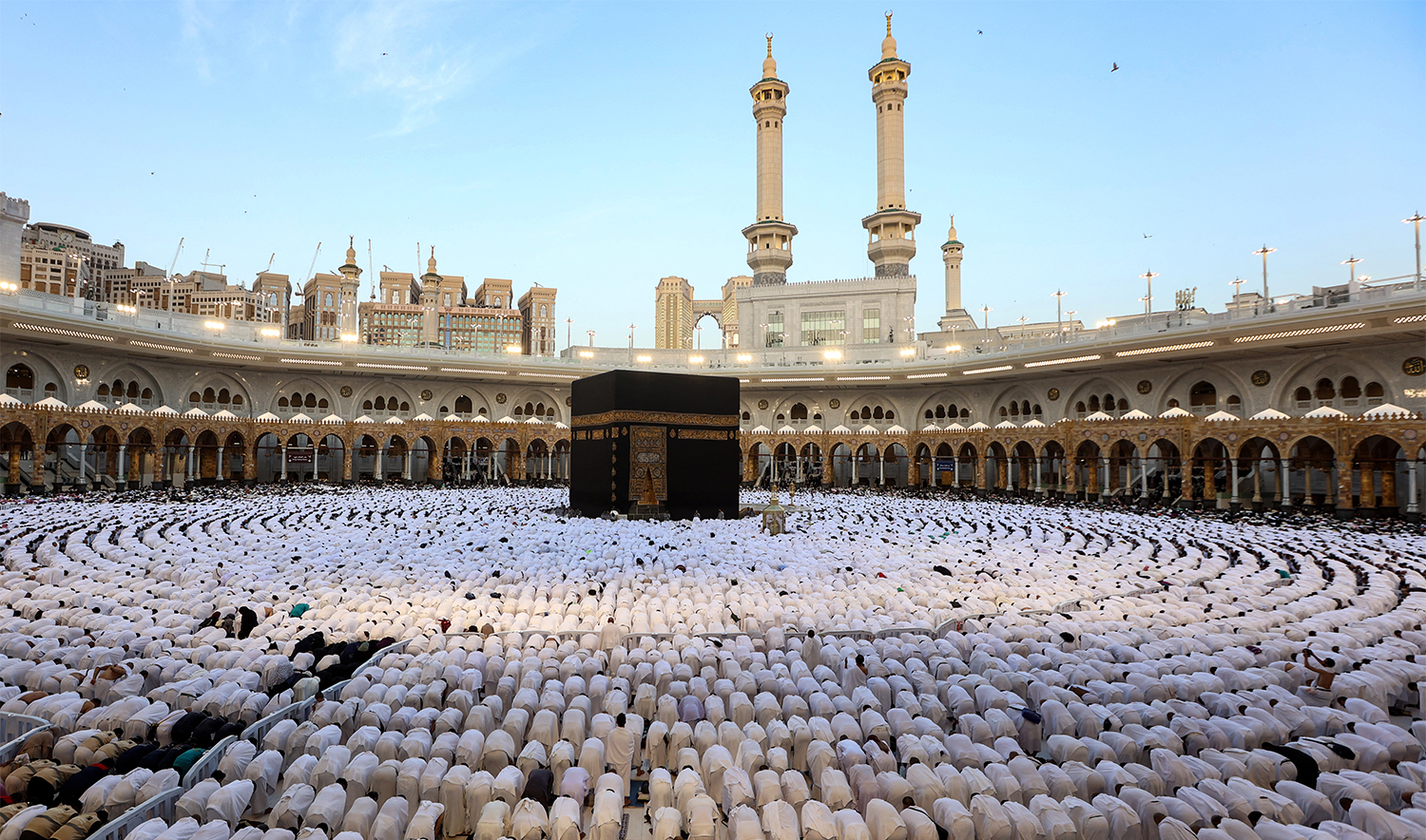
Muslims perform the morning prayer around the Kaaba at the Grand Mosque in Saudi Arabia's holy city of Makkah in March 30, 2025. (AFP/File)
Short Url
Updated 22 May 2025
Follow

Pakistan conducts trainings for Hajj support staff to assist pilgrims at Mashair sites 

  • This year, Pakistan has employed 561 Hajj support staff known as Moavineen
  • Nearly 112,620 Pakistanis are set to perform the annual pilgrimage in June 2025

ISLAMABAD: The Pakistan Hajj Mission (PHM) is conducting trainings for Hajj support staff from May 3-27 to orient them with knowledge of routes, accommodations and responsibilities related to assisting pilgrims as they visit sacred sites for the annual pilgrimage in Makkah, state news agency APP reported on Thursday.

This year, Pakistan has employed 561 Hajj support staff, known as Moavineen, to assist nearly 112,620 Pakistanis set to perform the annual pilgrimage, which will fall in the first week of June. 

“Over 430 Moavineen currently serving in the transport, accommodation and food departments have been oriented so far on how to assist Pakistani intending pilgrims in Mashair during the Hajj days,” APP reported, quoting Deputy Coordinator Operation Sadaqat Ali as saying.

Mashair refers to sacred sites in Makkah where pilgrims visit or perform Hajj rituals, including Mina, Arafat, and Muzdalifah. 

Pakistani pilgrims have been assigned 34 maktabs, numbered from 101 to 134, in Mina, while 17 maktabs are located on roads 56 and 62. The remaining are situated on road 511, the report said. The term maktab in the context of Hajj refers to an administrative office or center that provides pilgrims with essential services during their stay in Mina, Arafat, and Muzdalifah.

Pakistan’s Religious Affairs Minister Sardar Muhammad Yousaf has also recently reviewed the transport, accommodation, and catering arrangements for pilgrims, APP added.

For the first time, Pakistani Hajj pilgrims will have access to fully air-conditioned camps in Mina and will be accommodated in top-of-the-line hotels and buildings in the Azizia and Batha Quraish neighborhoods.

Over 35,000 pilgrims have reached Saudi Arabia so far to attend the pilgrimage, according to Pakistani state media.

China backs Pakistan in fight against militancy after deadly Balochistan attacks

Updated 03 February 2026
Follow

China backs Pakistan in fight against militancy after deadly Balochistan attacks

  • China is a major ally and investor in Pakistan and has pledged over $65 billion in major infrastructure projects, including in Balochistan
  • Chinese Foreign Ministry spokesperson Lin Jian says ‘we mourn for lives lost, and our hearts go out to injured and those who lost loved ones’

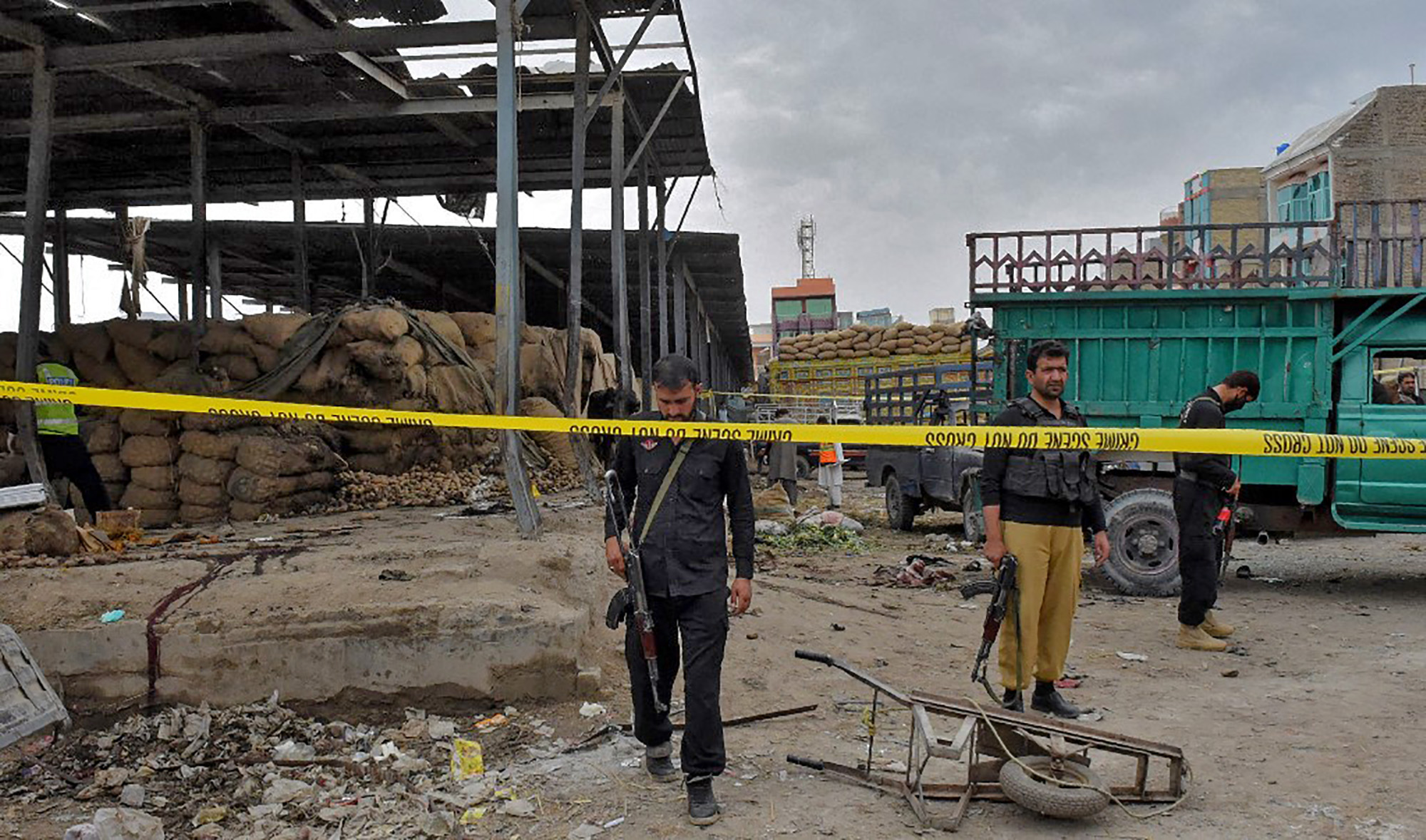
ISLAMABAD: China condemns the recent attacks that killed more than 200 people in Pakistan’s southwestern Balochistan province, a Chinese foreign ministry spokesperson said on Tuesday, reaffirming Beijing’s support for Pakistan in its fight against militancy.

The Baloch Liberation Army (BLA) group launched coordinated attacks in several cities across Balochistan on Saturday, killing 33 civilians and 17 security personnel. Officials said 117 militants were killed in skirmishes and follow-up operations.

Balochistan, which borders Iran and Afghanistan, is the site of a decades-long insurgency waged by Baloch separatist groups who often attack security forces, foreigners and non-local Pakistanis and kidnap government officials.

China is a major ally and investor in Pakistan and has pledged over $65 billion in investment in road, infrastructure and development projects under the China-Pakistan Economic Corridor (CPEC).

“China strongly condemns the [Balochistan] attacks... We mourn for the lives lost, and our hearts go out to the injured and those who lost their loved ones,” Chinese Foreign Ministry spokesperson Lin Jian said at a press briefing on Tuesday.

“China firmly opposes any form of terrorism and will as always firmly support Pakistan in combating terrorism, maintaining solidarity and social stability, and protecting the safety of the people.”

Chinese nationals working in Pakistan have often been targeted by militants, particularly in the southwestern Balochistan province, where China is developing a deep seaport that is touted as the crown jewel of CPEC.

Interior Minister Mohsin Naqvi said last week the attacks, claimed by the separatist Baloch Liberation Army (BLA), were planned from India. New Delhi rejected the allegation as “baseless,” saying Islamabad was attempting to deflect attention from its internal challenges.

Balochistan is home to vast reserves of minerals and hydrocarbons. Separatist militant groups such as the BLA blame Islamabad for exploiting Balochistan’s natural resources and denying locals a share in them. The military and civilian government reject these allegations and say they are investing in the province’s development.