

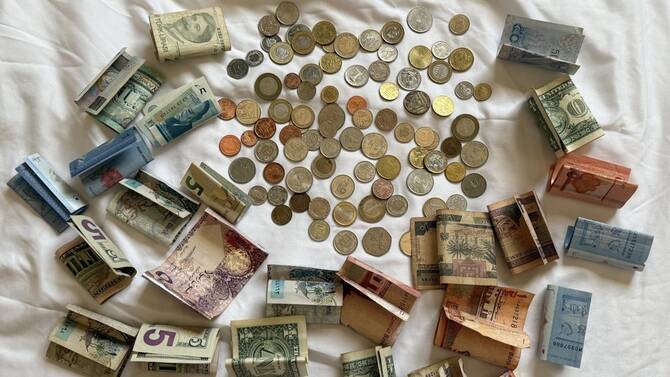


RIYADH: From cassette tapes and coins to K-pop photocards and fallen flowers, Generation Z collectors in Saudi Arabia spoke to Arab News about how they value sentiment and storytelling over price tags and prestige.
Unlike traditional antique collecting, which often centers on ornate heirlooms and museum-worthy artifacts, this younger generation is finding nostalgia and meaning in items that speak to their own lives: pop culture, nature, and childhood joys.
Many of these collections begin as simple interests and evolve into deeply personal archives of memory and identity.
For Hawazen Mohammed, collecting starts with focusing on items that others might overlook.
“I collect things from nature because I see them as treasures — I can’t imagine walking past them and leaving them behind,” she said.
Alongside pressed leaves, rose petals, and interesting twigs, Mohammed’s love of small details also finds expression in sticker collecting — something she has done since childhood.
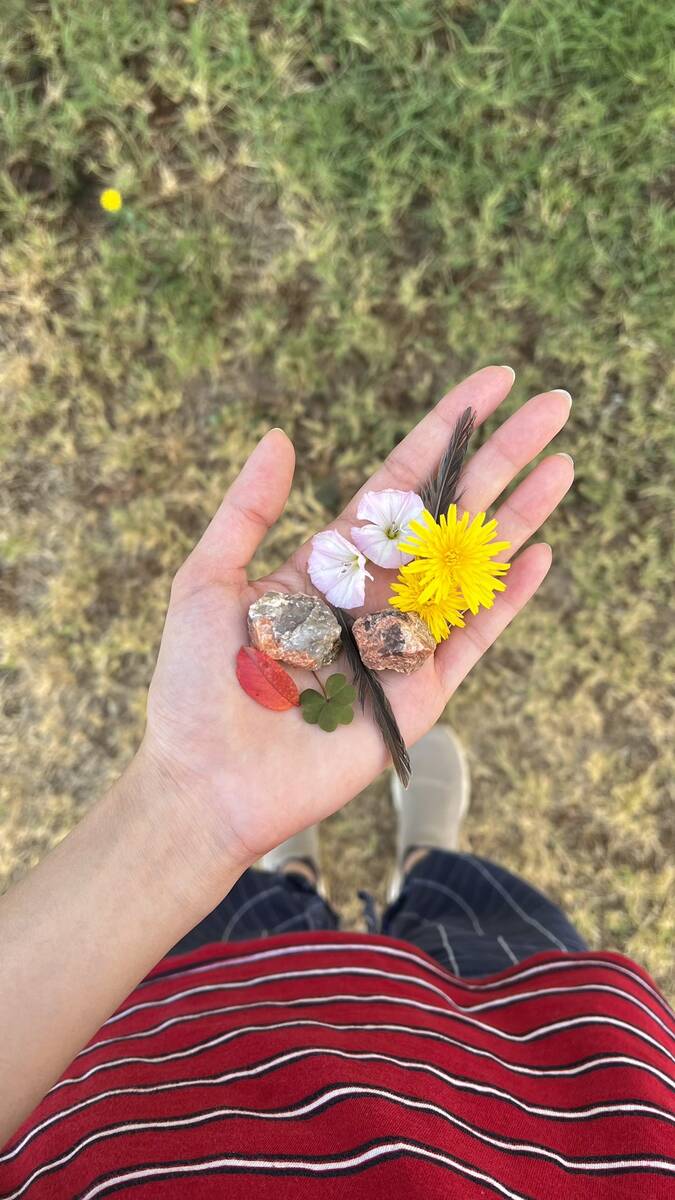
Nature’s treasures, as Hawazen Mohammed calls them – collected during walks as part of her growing assortment of leaves, flowers, and found objects. (Supplied/Hawazen Mohammed)
“As for the stickers, I’ve loved collecting them since I was a kid. I grew up and became an otaku fan,” she said, referencing her passion for Japanese anime and its visual culture.
This desire to preserve moments is not limited to organic materials. Others, like Htoon Saeed, turn to objects rich in historical context.
“My hobby of collecting coins came from my interest in history and vintage things,” she explained. “I noticed that coins are the ideal way to commemorate a particular era in history.”
Her collection includes both paper money and coins from countries around the world, laid out and organized with care. Each piece, regardless of value, holds significance as a snapshot of its time and place.
Abdulaziz Al-Yamani found his archive not in a museum or market — but in a cassette box filled with the voice of Talal Maddah.
The singer “shaped the sound of Saudi music and the soundtrack of my childhood and hometown,” said Al-Yamani.
“These tapes may be rare now, but to me, they’re pieces of history — and keeping them safe feels like a way to honor that legacy.”
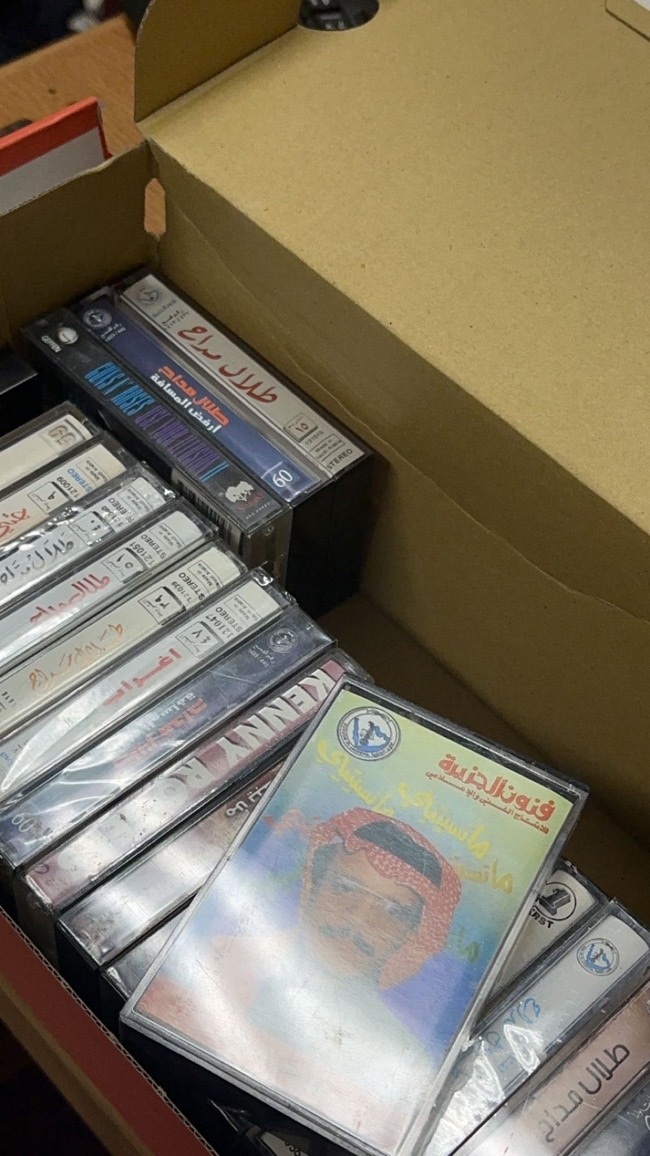
Abdulaziz Al-Yamani’s cassette box is more than nostalgia — it’s a tribute to Talal Maddah, “the soundtrack of my childhood and hometown,” he says. For him, preserving these tapes is preserving a piece of Saudi musical history. (Supplied/Abdulaziz Al-Yamani)
K-pop collector Jana Al-Harbi started her journey with a single card.
“What started as a simple joy in buying a rare photocard of an idol I love quickly grew into a three-year journey of collecting, connecting, and sharing moments with people who understand the same excitement,” she said.
“It’s slightly more than just a hobby — it’s something I truly loved, no matter the effort or cost. It brought me closer to a community and a passion that meant so much to me. And introduced me to a caring and loving side of myself I had never noticed before.”
In a world where digital interactions often feel fleeting, the tangible joy of collecting serves as a grounding ritual. Al-Harbi’s collection eventually led to an extraordinary moment.
“Collecting photocards also gives fans a big opportunity: a chance to win a one-to-one video call with their favorite idol. And that’s what happened to me — it gave me a sense of fulfillment and brought a beautiful closure to the journey.”
Collector Naif Al-Zahrani looks to vintage watches to mark not just the passing of time, but the stories tied to it.
“I collect money and coins, old and new from different countries, but what I love to collect mostly is vintage watches,” he said.
“For me, I believe watches represent the time you spend, and the memories you make. Watches (are) something that I collect because I see (them) as an art piece that you can have for life.
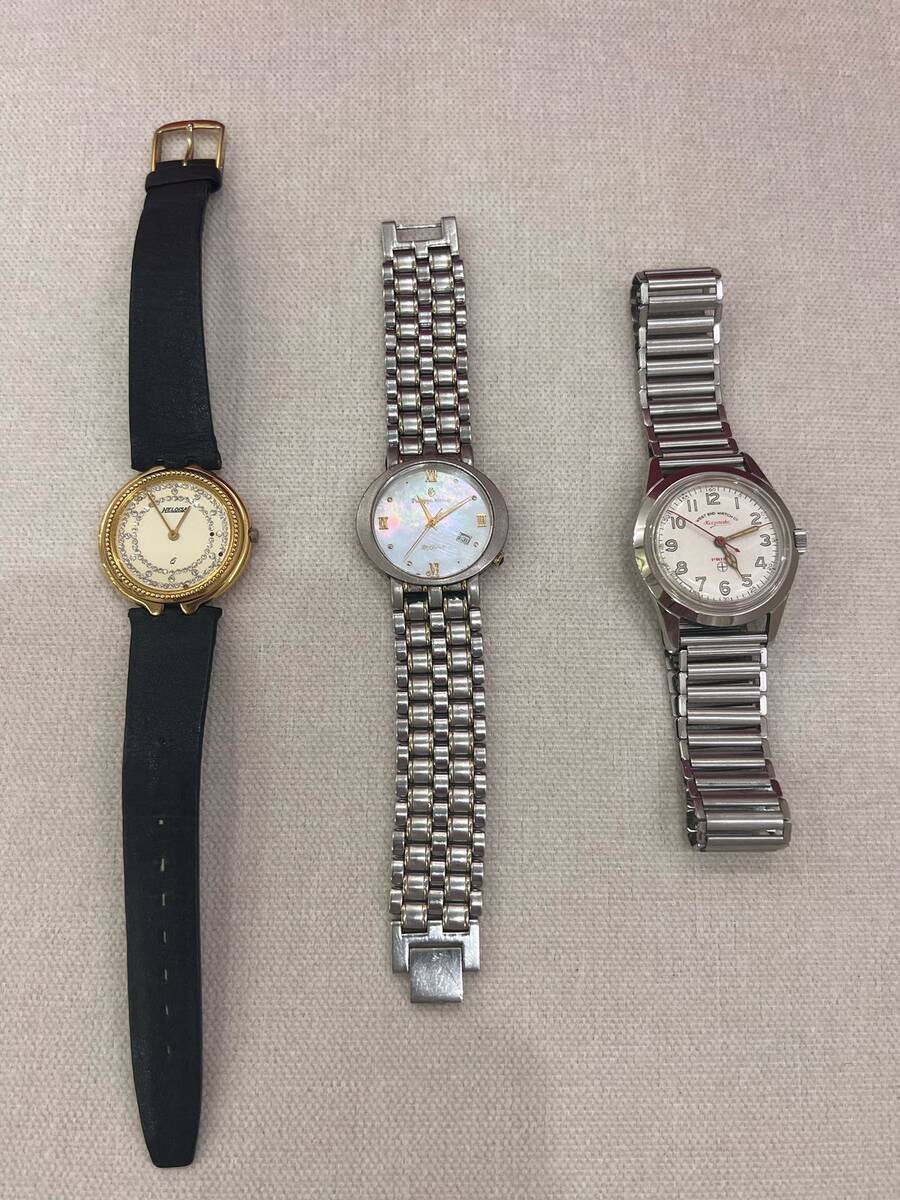
A timeline in timepieces — from a 1945 Heloisa to a 1980s West End Watch, Naif Al-Zahrani’s collection captures the evolution of design and sentiment. “Each one tells a story,” he says. “They’re not just watches — they’re memories worn on the wrist.” (Supplied/Naif Al-Zahrani)
“It represents the personality of the wearer with the different designs, colors, and shape. As a person who is interested in history, everything collectible has its own story and value.”
His most cherished timepieces include a 1945 Heloisa with a black leather strap he describes as “the oldest watch that I adore.”
In addition, he has a 1970s Philippe Moraly with a mother-of-pearl dial which is his “favorite design,” and a 1980s West End Watch he calls “my everyday watch.”
While these collections vary in shape, theme and age, what unites them is the deep emotional and personal connection each collector has with their items.


