

Farasan Islands’ rich marine and wildlife fuel Kingdom’s ecotourism appeal

1 / 8
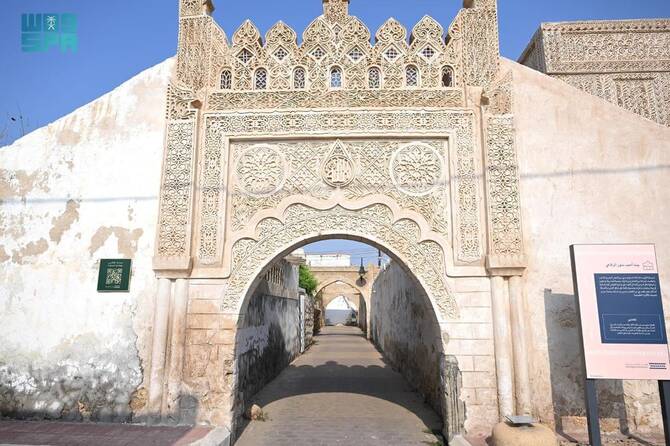
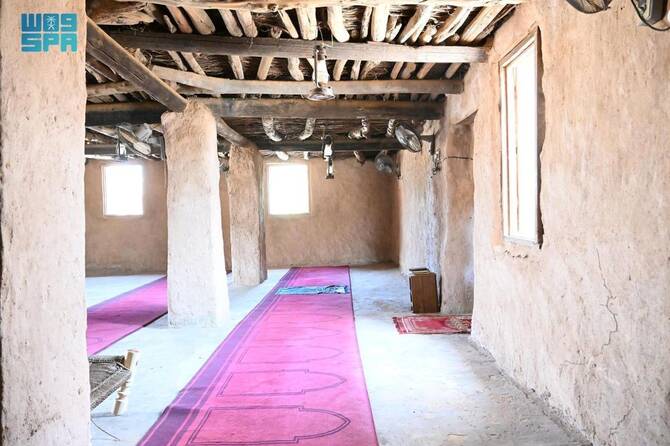
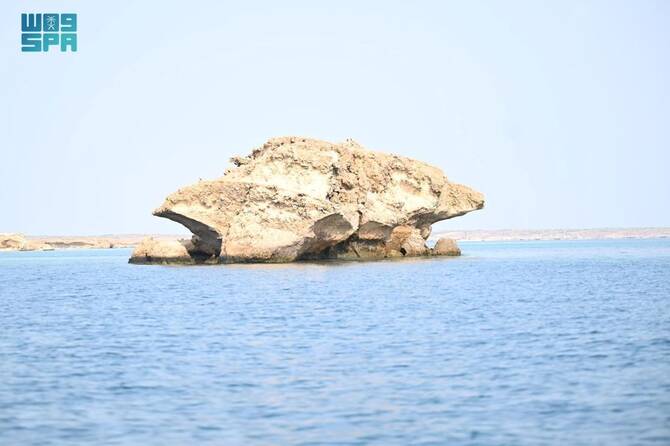
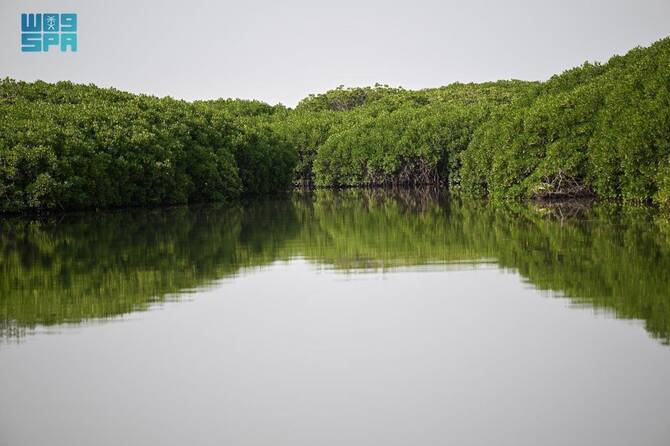
The Farasan Islands, an archipelago of more than 84 coral islands, off Jazan, Saudi Arabia, are home to a wide diversity of plant and animal life. (SPA)
2 / 8
The Farasan Islands, an archipelago of more than 84 coral islands, off Jazan, Saudi Arabia, are home to a wide diversity of plant and animal life. (SPA)
3 / 8
The Farasan Islands, an archipelago of more than 84 coral islands, off Jazan, Saudi Arabia, are home to a wide diversity of plant and animal life. (SPA)
4 / 8
The Farasan Islands, an archipelago of more than 84 coral islands, off Jazan, Saudi Arabia, are home to a wide diversity of plant and animal life. (SPA)
5 / 8
The Farasan Islands, an archipelago of more than 84 coral islands, off Jazan, Saudi Arabia, are home to a wide diversity of plant and animal life. (SPA)
6 / 8
The Farasan Islands, an archipelago of more than 84 coral islands, off Jazan, Saudi Arabia, are home to a wide diversity of plant and animal life. (SPA)
7 / 8
The Farasan Islands, an archipelago of more than 84 coral islands, off Jazan, Saudi Arabia, are home to a wide diversity of plant and animal life. (SPA)
8 / 8
The Farasan Islands, an archipelago of more than 84 coral islands, off Jazan, Saudi Arabia, are home to a wide diversity of plant and animal life. (SPA)
Short Url
Updated 16 April 2025
Follow

Farasan Islands’ rich marine and wildlife fuel Kingdom’s ecotourism appeal

  • With white sandy beaches and turquoise waters, the Farasan Islands are ideal for both adventure and relaxation and attract divers and fishing enthusiasts from around the world
  • One of the islands’ most remarkable natural features is the expansive Al-Qandal Forest, which provides vital habitats for diverse wildlife

RIYADH: Known for sustainable tourism, the Farasan Islands lie 50 km off the coast of Jazan. Spanning 1,050 sq. km and with more than 84 coral islands, they balance environmental conservation with local economic growth.

With white sandy beaches and turquoise waters, they are ideal for both adventure and relaxation and attract divers and fishing enthusiasts from around the world.

One of the islands’ most remarkable natural features is the expansive Al-Qandal Forest, which provides vital habitats for diverse wildlife.

This area is home to over 180 varieties of plants and more than 200 species of birds, including the osprey, grey pelican, dark gull, heron and sooty falcon.

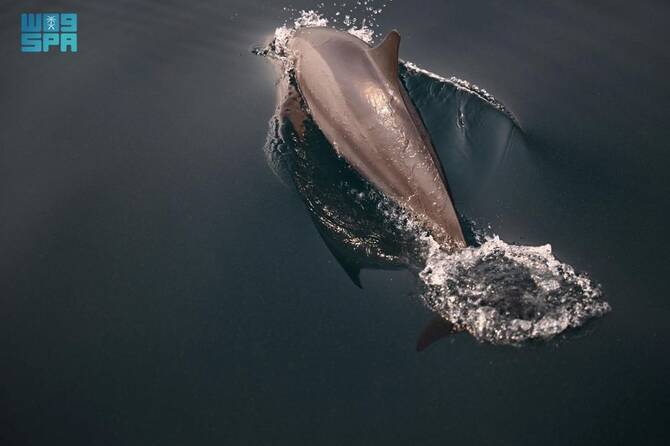
Its rich marine ecosystem includes 230 kinds of fish and numerous endangered species such as the green turtle, hawksbill turtle and sea urchins. Dolphins, whales and sharks can be seen occasionally.

Additionally, the islands feature around 50 types of coral, seaweed and algae, and are home to the Arabian gazelle.

The Farasan Islands are also steeped in cultural history. Archaeological sites abound, notably Al-Qassar Village with its ancient, pre-Islamic stone houses and Beit Al-Rifai, a prominent historical landmark from the early 20th century.

The islands have become a key tourist destination, attracting over 150,000 visitors annually. The growth means the Saudi authorities are developing the local infrastructure with plans for more than 20 hotels and resorts.

The archipelago is also experiencing a surge in marine activities, highlighted by the annual Hareed Festival which draws thousands of visitors to observe and join in catching hared, or parrotfish.

As part of Saudi Arabia’s Vision 2030, the Farasan Islands are set for further tourism-related developments, including improved transportation and an increased number of daily cruises.


Transport minister oversees operations as King Khalid Airport resumes service

Updated 6 sec ago
Follow

Transport minister oversees operations as King Khalid Airport resumes service

  • Saleh Al-Jasser inspects facilities, assesses measures taken to restore passenger flow 

RIYADH: Saudi Arabia’s minister of transport oversaw operational procedures at King Khalid International Airport in Riyadh on Saturday after heavy rain reportedly brought it to a near standstill on Friday.

Saleh Al-Jasser inspected the airport’s facilities and assessed measures taken to restore smooth passenger flow, the Saudi Press Agency reported.

He also received a technical briefing at the operations center from Raed Al-Idrissi, the CEO of Matarat Holding, on airport operations and flight punctuality, and the implementation of Passenger Rights Protection Regulations.

He ordered the necessary reviews to ensure sustained operational discipline under all conditions.

Al-Jasser was accompanied by the General Authority of Civil Aviation’s President Abdulaziz Al-Duailej; Ayman AboAbah, the CEO of Riyadh Airports Company; and several senior officials from the airport.

Thousands of passengers traveling to and from the airport were left stranded on Friday due to a slew of cancellations and delays.

Saudia and flyadeal were among the aviation firms who faced difficulties, with the two airlines blaming temporary operational challenges for the issues.

A statement from the airport on its official X account had urged travelers to contact airlines directly before heading to the aviation hub to verify the updated status and timing of their flights.

The statement said: “King Khalid International Airport would like to inform you that, due to the concurrence of a number of operational factors over the past two days — including several flights diverting from other airports to King Khalid International Airport, in addition to scheduled maintenance works within the fuel supply system — this has resulted in an impact on the schedules of some flights, including the delay or cancellation of a number of flights operated by certain airlines.”

Airport sources told Arab News that the issue resulted from the heavy rain Riyadh experienced on Friday.

Water had reportedly got into the fuel tankers set to refuel jets, and several airlines then struggled to reschedule passengers.