

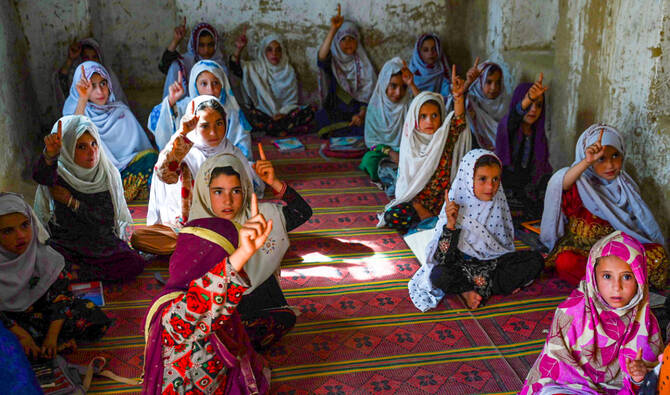

LONDON: With the Taliban’s ban on secondary education for teenage girls now in its fourth year, the dreams of millions across Afghanistan remain on hold. If the policy continues, experts say it could have serious implications for women’s health and the nation’s development.
The ban, reimposed in September 2021, has already deprived 2.2 million Afghan girls of secondary education as of 2025, according to the UN children’s fund, UNICEF. If the ban persists until 2030, this number could rise to more than 4 million.
“The consequences for these girls — and for Afghanistan — are catastrophic,” Catherine Russell, UNICEF’s executive director, warned in a statement, adding that the ban “negatively impacts the health system, the economy, and the future of the nation.”
The ban is among the harshest measures imposed by the Taliban since its return to power in August 2021. It bars girls from attending school beyond the sixth grade and from universities. Afghanistan is the only country in the world to enforce such a ban.
The Taliban claims its policy aligns with its interpretation of Islamic law, mirroring similar measures during its initial rule from 1996 to 2001.
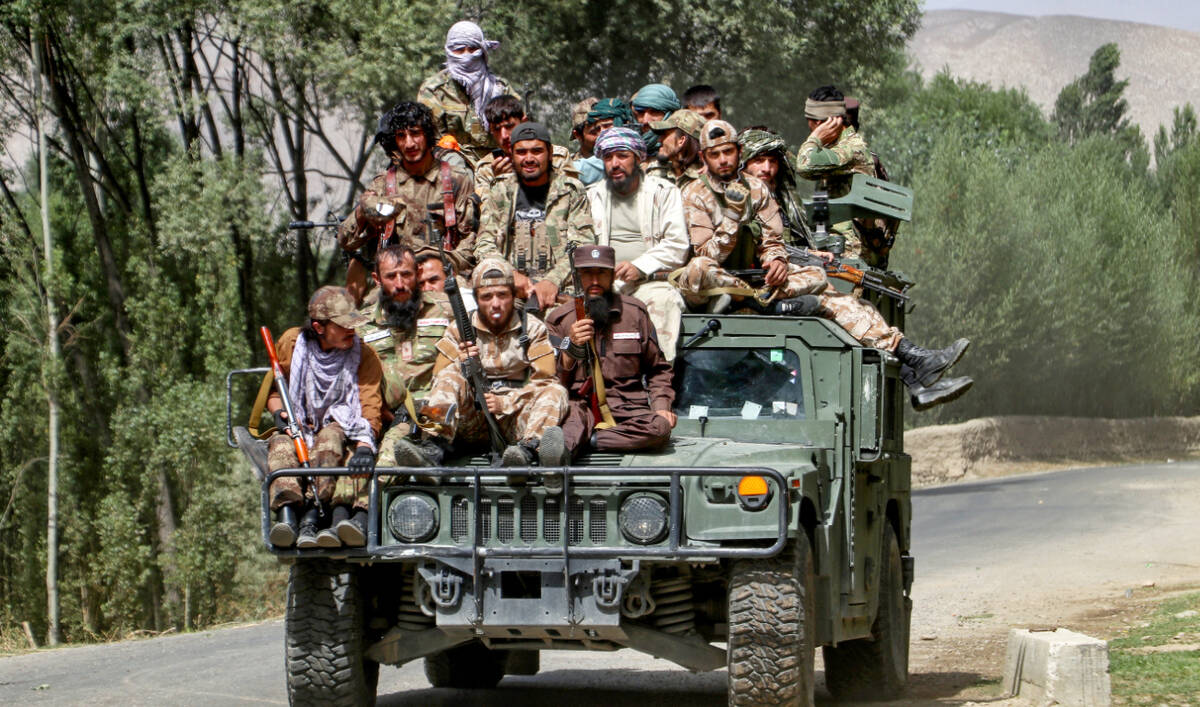
The ban is among the harshest measures imposed by the Taliban since its return to power in August 2021. (AFP)
The ramifications of the ban extend far beyond the immediate exclusion of girls from schooling. Its effects are likely to reverberate through Afghan society for decades unless the policy is reversed.
Salma Niazi, editor in chief of the Afghan Times, told Arab News the ban “will have devastating, multi-generational effects,” risking “a profound brain drain, economic stagnation, and increased poverty.”
Economically, Afghanistan loses an estimated 2.5 percent of its annual gross domestic product due to the exclusion of girls from secondary education, according to a 2022 UNICEF report.
Niazi said educated women are vital to a nation’s progress, contributing to healthcare, governance, and community resilience.
“Denying them education entrenches gender inequality, limits workforce productivity, and exacerbates cycles of vulnerability, including child marriage and maternal mortality,” she said. “The societal and economic costs will be felt for decades.”
IN NUMBERS
- 2.2m Afghan girls currently out of school
- 4m Projected to lose out if ban persists to 2030
Dr. Ayesha Ahmad, a global health humanities scholar at St. George’s University of London, echoed these concerns. “Even if boys and men can access education, there is no foundation for a country’s flourishment without equality in education,” she told Arab News.
“Most significantly, for the forthcoming multiple age groups affected by the education ban, there is a generational impact that will take designated efforts to heal the collective traumas that are being enforced and imposed onto the lives of Afghan girls and women.”
The Taliban’s December 2024 closure of medical education programs for women has intensified these risks. UNICEF’s Russell warned that fewer female doctors and midwives will leave women without critical care, estimating “an additional 1,600 maternal deaths and over 3,500 infant deaths.”
She said in her March statement: “These are not just numbers; they represent lives lost and families shattered.”
Afghanistan already has one of the world’s highest maternal mortality rates, with at least 600 deaths per 100,000 live births — nearly triple the global average.

Economically, Afghanistan loses an estimated 2.5 percent of its annual gross domestic product due to the exclusion of girls from secondary education, according to a 2022 UNICEF report. (AFP)
The Taliban’s requirement for male guardians to accompany women seeking healthcare further endangers those in labor. UN Women projects that by 2026, the education ban could increase early childbearing rates by 45 percent and maternal mortality risks by 50 percent.
Ahmad accused the Taliban of “weaponizing discrimination into genocide” through barring women from medical training. “Girls and women simply will die,” she said.
With nearly 28 percent of Afghan girls married before they are 18, UNICEF warns the education ban will only heighten the risk of child marriage, threatening girls’ health and agency.
“With fewer girls receiving an education, girls face a higher risk of child marriage with negative repercussions on their well-being and health,” Russell said.
It is through such policies that the Taliban systematically erases women’s autonomy, said Ahmad, “deliberately shrinking spaces that girls and women can occupy through their growth, individuality, wishes, and agency.”
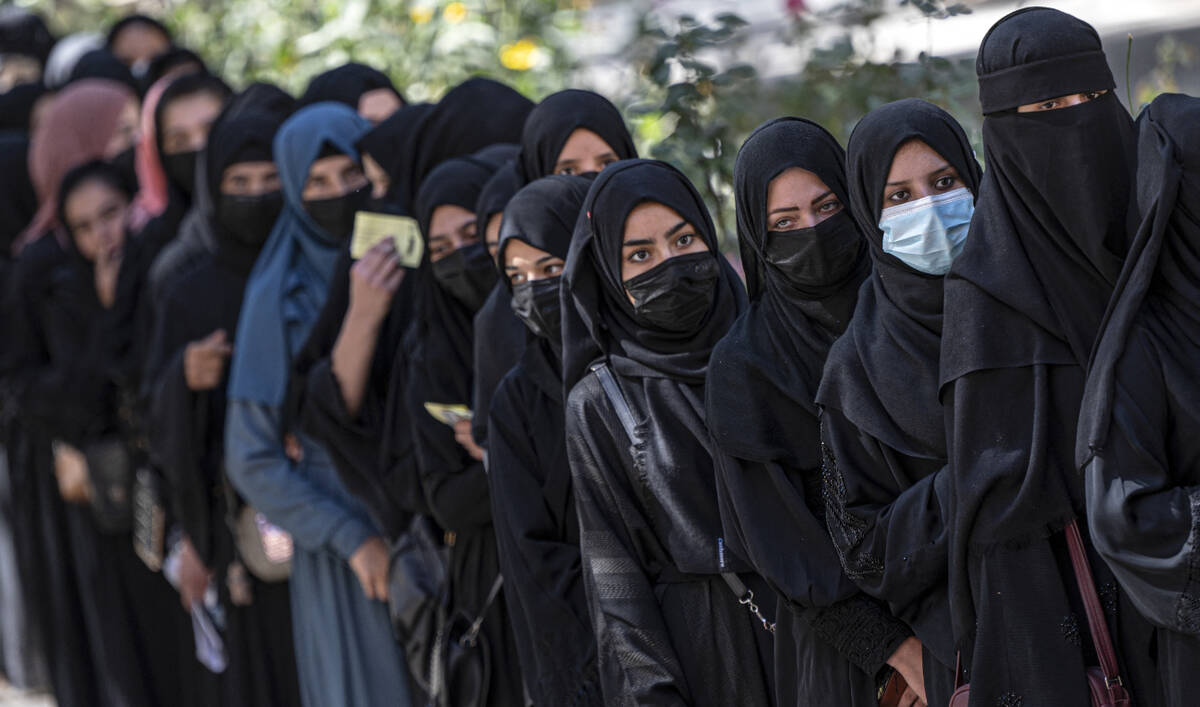
After Taliban closed medical education programs for women in December 2024, UNICEF’s Russell warned that fewer female doctors and midwives will leave women without critical care, estimating “an additional 1,600 maternal deaths and over 3,500 infant deaths.” (AFP)
Beyond physical harm, the mental health toll is severe. Ahmad said the ban fosters “hopelessness, despair, depression, and suicidality” among Afghan girls and women.
She called for greater awareness of what she described as “a gender apartheid,” urging action against the Taliban policies that erase women’s autonomy.
The policy also threatens Afghanistan’s global standing.
Hasina Safi, Afghanistan’s former minister for women’s affairs, said the ban on girls’ education “will further isolate Afghanistan and Afghan women” while deepening “inequality and instability at all levels — from grassroots communities to policy making.”
She told Arab News: “When you educate a man, you educate an individual; when you educate a woman, you educate an entire family. The first school of a child is a mother.
“The first word of the Qur’an revealed was ‘Iqra,’ which means read — which clearly reflects the importance of education even in Islam.”
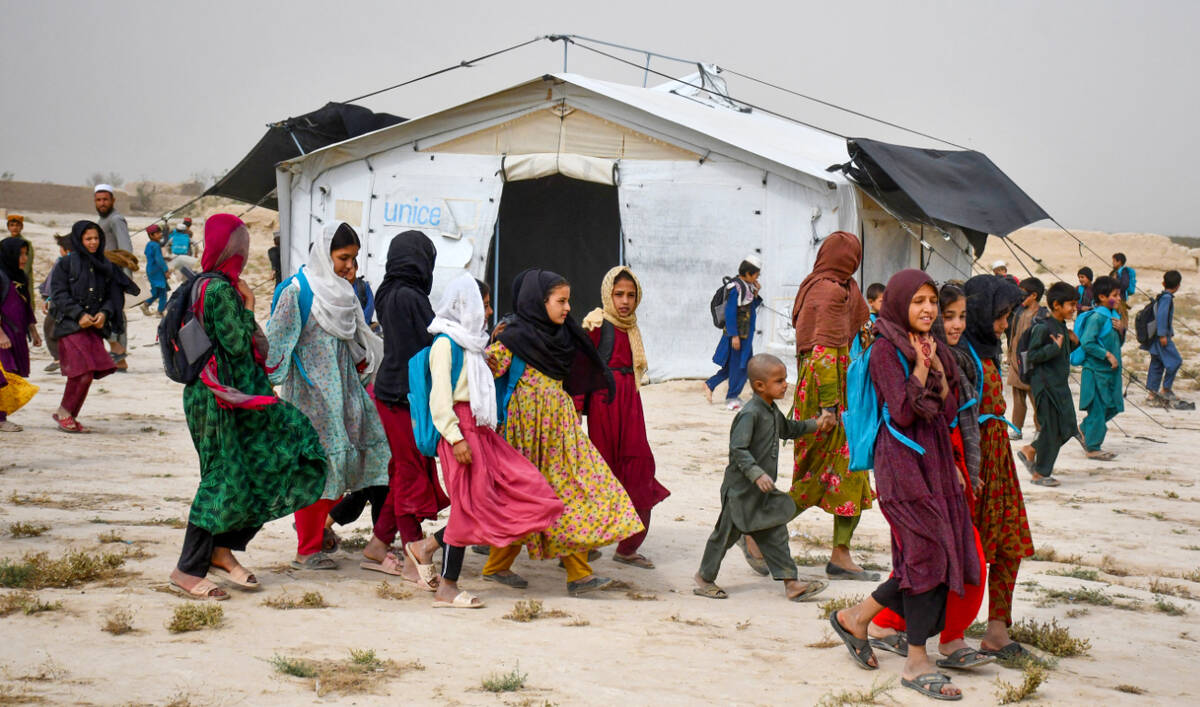
Dr. Ayesha Ahmad, a global health humanities scholar at St. George’s University of London, said the ban fosters “hopelessness, despair, depression, and suicidality” among Afghan girls and women. (AFP)
Despite these challenges, families are seeking alternatives to ensure their daughters receive an education. Some are turning to illegal underground schools, the former minister said.
Ahmad explained that although underground schools provide some relief for Afghan girls desperately seeking an education, they remain informal and poorly resourced. “Unfortunately, these are not of an adequate standard,” she said. “They operate in silence.”
Online programs offer another avenue but come with obstacles such as high overseas fees and limited internet access. Afghan students also struggle with power outages and technological barriers while trying to meet academic expectations.
Even if Afghan women complete their education through such means, employment opportunities remain scarce under Taliban restrictions.
“One student I know from Afghanistan had to write her dissertation whilst managing electricity power cuts and not being able to charge or use her laptop to work or access student systems such as lectures,” said Ahmad.
“And to what end? There is no employment for women to develop a career from their education.”
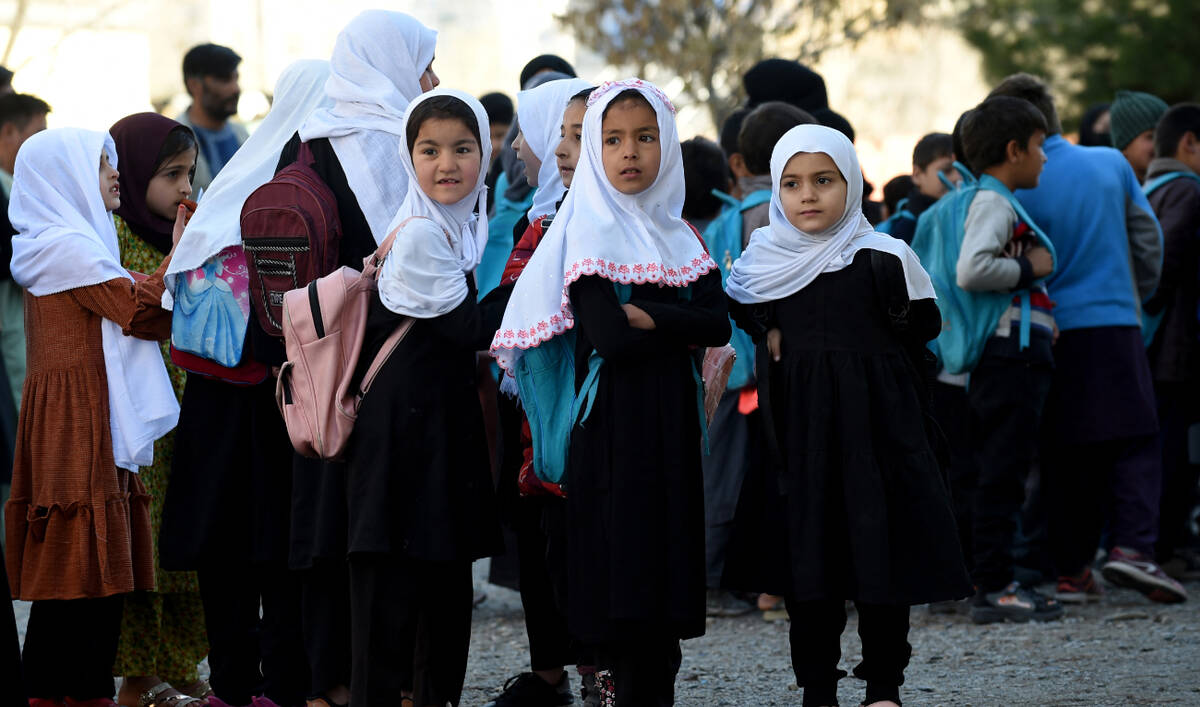
Hasina Safi, Afghanistan’s former minister for women’s affairs, said the ban on girls’ education “will further isolate Afghanistan and Afghan women.” (AFP)
Niazi of the Afghan Times said that in addition to underground schools, Afghan civil society, educators, and international organizations “have shown remarkable resilience,” discretely operating digital learning platforms and community-based initiatives.
“Some NGOs are providing scholarships for Afghan girls to study abroad, while advocacy groups continue to pressure the Taliban through local and global campaigns,” she said. “However, these efforts are often fragmented and operate under severe constraints.”
Highlighting efforts by her independent news outlet, Niazi added: “At the Afghan Times, we’ve launched an Open Mic Podcast where young women share how they’ve clung to hope through online education.
“Their stories — of studying secretly via Zoom, accessing smuggled e-books, or teaching younger sisters at home — reveal both resilience and desperation.”
The three women urged the international community to play a greater role in pressuring the Taliban to lift the ban, which remains a stark violation of fundamental rights and continues to draw widespread condemnation from international organizations and activists alike.
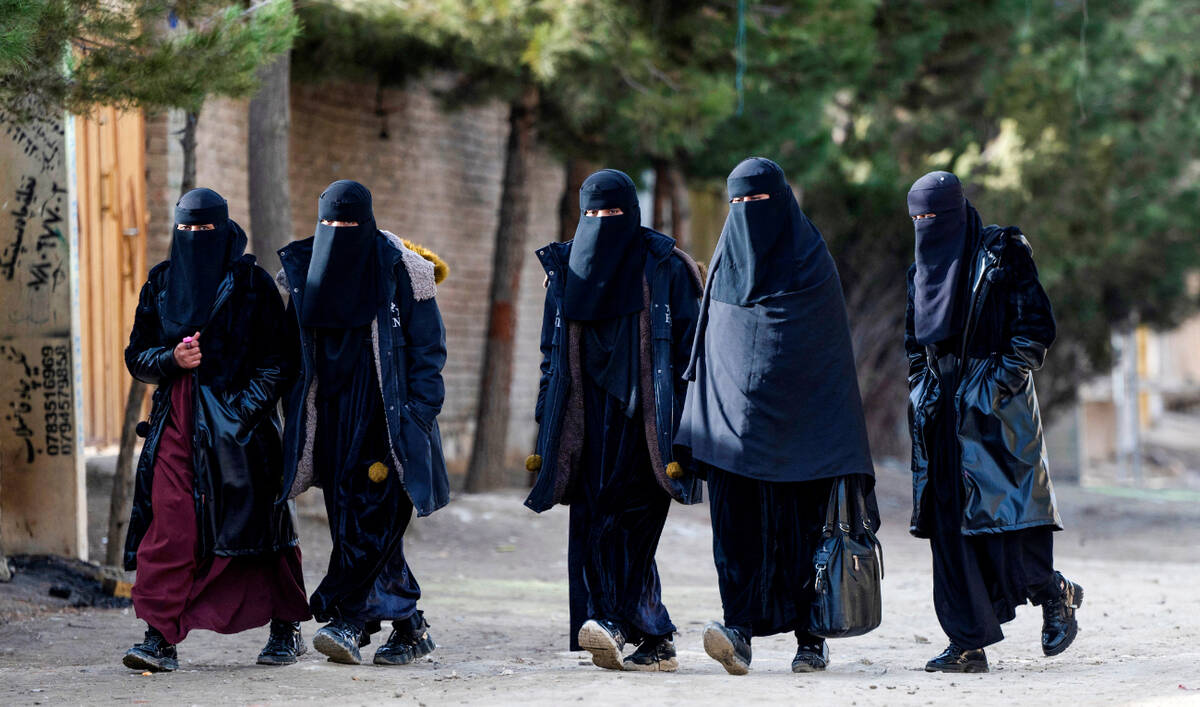
The education ban remains a stark violation of fundamental rights and continues to draw widespread condemnation from international organizations and activists alike. (AFP)
Safi noted that while the international community has responded to the issue, including “condemnations and advocacy,” these actions have “yielded no results.”
She added: “The international community can play a pivotal role at multiple levels of engagement with the Taliban by implementing short, mid, and long-term programs to restore access to education through conditional funding and other proven strategies.”
The international community has strongly condemned the Taliban’s actions. Organizations like UNICEF, UNESCO, and the UN Assistance Mission in Afghanistan have repeatedly called for the immediate lifting of the ban, emphasizing its catastrophic impact on Afghanistan’s future.
Countries like the UK have taken a firm stance against the restrictions, and Islamic nations have sought to pressure the Taliban into reversing the policy.
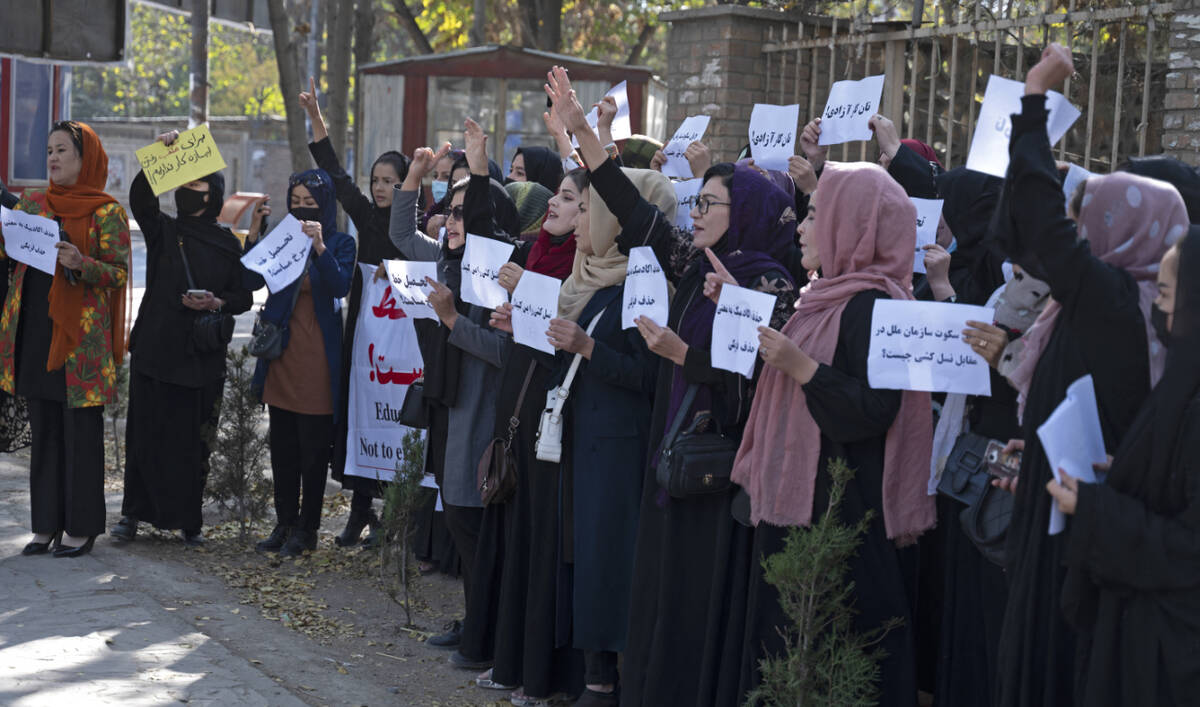
Afghan women hold placards during a protest in front of Kabul University in Kabul on October 18, 2022. (AFP)
While the Taliban remains resistant to outside pressure, Safi said sustained international efforts could still create pathways for Afghan girls to access education — even under restrictive conditions.
The Taliban stance is further complicated by its lack of recognition from the international community, primarily due to its systematic oppression of women and girls. No country has granted formal diplomatic recognition to the Islamic Emirate since its 2021 takeover, with ongoing human rights violations cited as the central obstacle.
Niazi called for consistent diplomatic and economic pressure on the Taliban, advocating for increased funding to alternative education programs, including online learning and cross-border initiatives.
The Afghan Times editor also stressed that “global media, like Arab News, play a crucial role in keeping this issue visible,” while “neighboring countries and Islamic leaders could leverage their influence to advocate for change, framing education as a religious and moral imperative.”
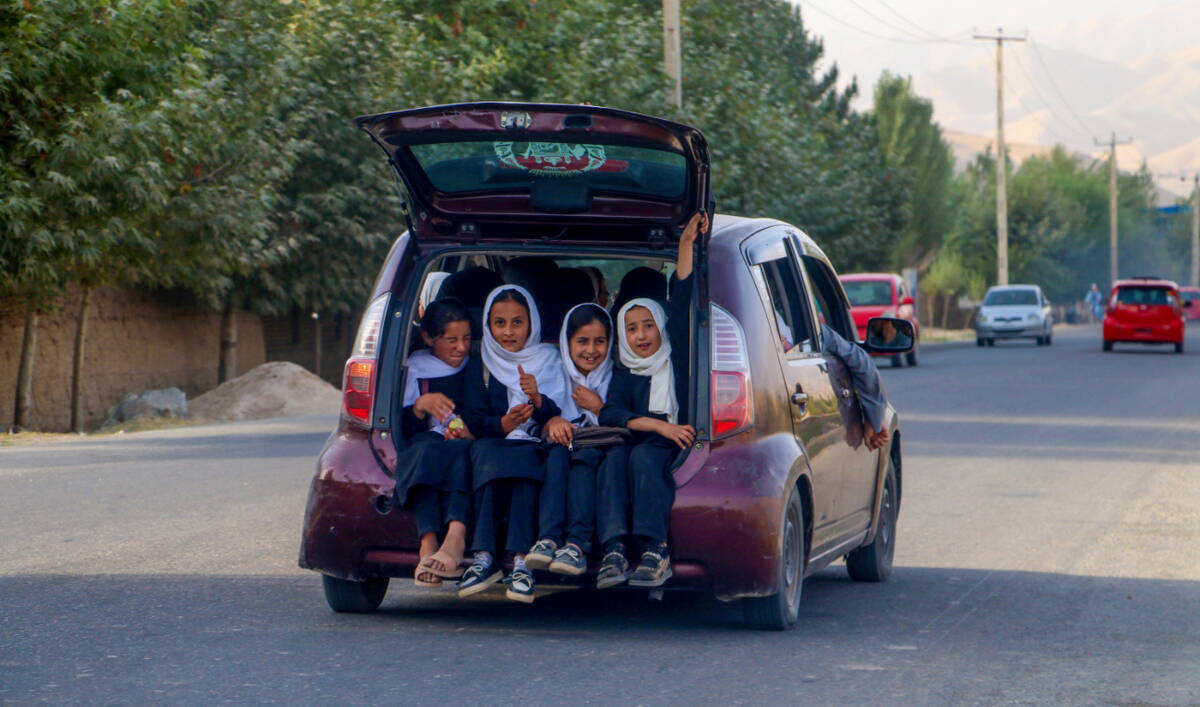
The international community has strongly condemned the Taliban’s actions. Organizations like UNICEF, UNESCO, and the UN Assistance Mission in Afghanistan have repeatedly called for the immediate lifting of the ban. (AFP)
Ahmad criticized what she believes to be the international community’s selective engagement. “When there is a perceived threat to ‘Western’ populations, it is justified to intervene, even if that intervention destroys generations of lives and hope,” she said.
“Yet when there is a structurally violent threat to girls through the institution of education, there is global silence. This is another form of violence.”
She urged nations to prioritize a unified response to ensure educational equality, warning that the continued ban on girls’ education could mean Afghanistan’s “destruction.”
Indeed, she added: “Nothing can be created without education.”


