

In Pakistan’s southwest, Eid shoppers go out to buy the perfect snack: nimco

Customers gather to buy nimco snacks for Eid Al-Fitr in Quetta, Pakistan on March 26, 2025. (AN Photo) 
Short Url
Updated 30 March 2025
Follow

In Pakistan’s southwest, Eid shoppers go out to buy the perfect snack: nimco

  • Nimco, popular on Eid, is typically a mix of fried ingredients like lentils, chickpeas, potatoes, nuts and spices
  • While many Pakistanis celebrate Eid with sweets like vermicelli and rice puddings, nimco is the go-to snack in Quetta

QUETTA: Wearing hair nets and face masks, shopkeepers carefully packed fried lentils, chickpeas, potato chips and other nimco snacks into plastic bags for hoards of eager Eid Al-Fitr shoppers earlier this week. 
The scene is from a shop on Quetta’s famous Masjid Road, where hundreds of customers have been arriving daily ahead of the Eid holiday to buy nimco, a popular traditional Pakistani snack, typically a mix of fried ingredients like lentils, chickpeas, potatoes, nuts, and spices. Nimco is characterized by its crispy texture and spicy flavor, making it a popular snack for social gatherings and special occasions. 
While many Pakistanis celebrate the Eid festival with sweets like vermicelli, rice puddings and jalebi funnel cakes, in Quetta, nimco is the go-to snack.
“This bazaar is called Masjid Road and its specialty is that it is known as the Nimco Bazaar,” said Waled Sabir, a customer. “All the nimco varieties available in Pakistan can be found here.”
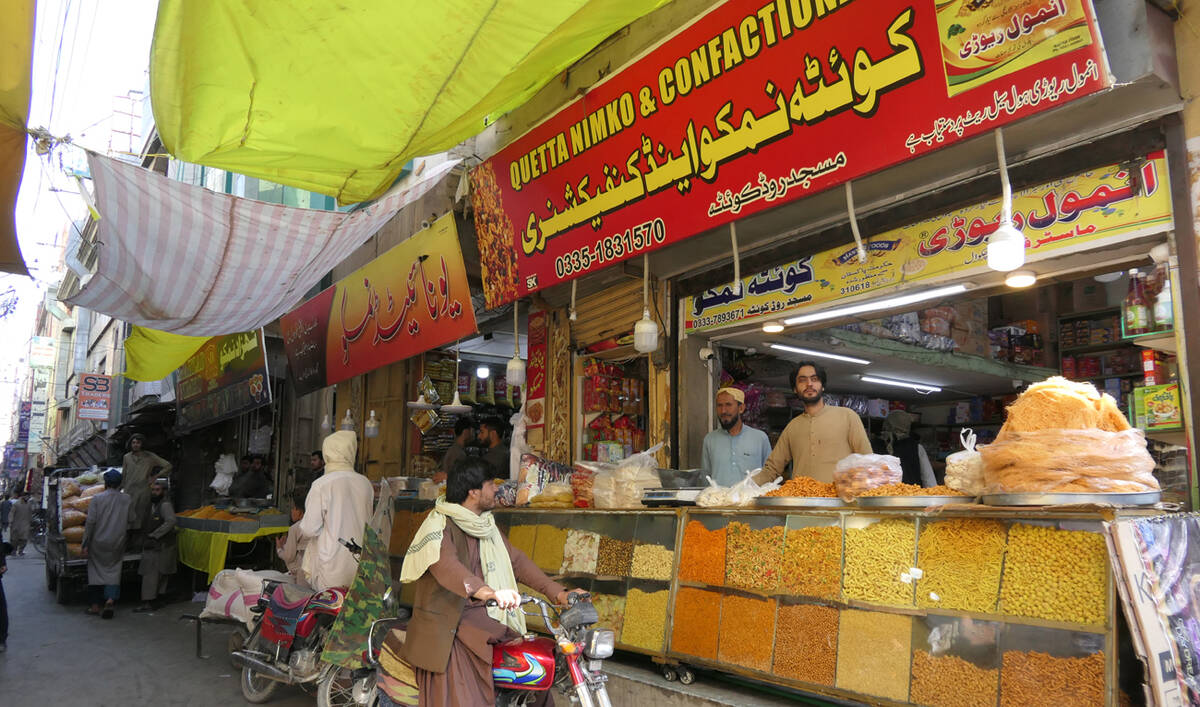


Man shops nimco snacks for Eid Al-Fitr in Quetta, Pakistan on March 26, 2025. (AN Photo) 

Safiullah Khan, the owner of a 35-year-old nimco store on Masjid Road, said he was at his shop all day long in the days before Eid to cater to holiday revelers. 
“Fried potato chips, lentils and mixed nimco are the basic and most in-demand items on Eid,” he said. 
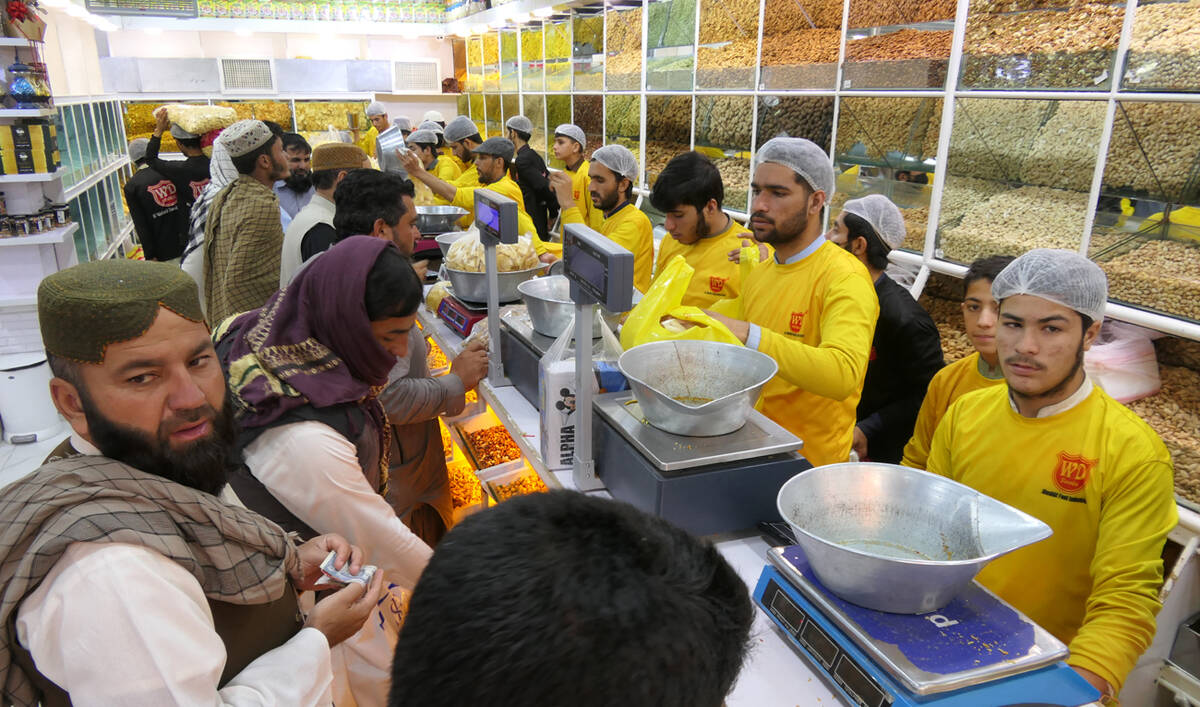


Customers gather to buy nimco snacks for Eid Al-Fitr in Quetta, Pakistan on March 26, 2025. (AN Photo) 

Apart from the appeal of its salty and crunchy flavor, nimco was also popular because of its affordability, Khan said. 
“Nimco is an important and affordable item for many Pakistanis during Eid and not as expensive as other dried fruits,” he said.
Syed Akram Shah, 52, agreed that nimco was a popular alternative to expensive dried fruits. 
“Dry fruits are not accessible to poor masses but nimco is an affordable refreshment for us on Eid,” he said as he shopped earlier this month on Masjid Road for fried lentils, his favorite type of nimco. 
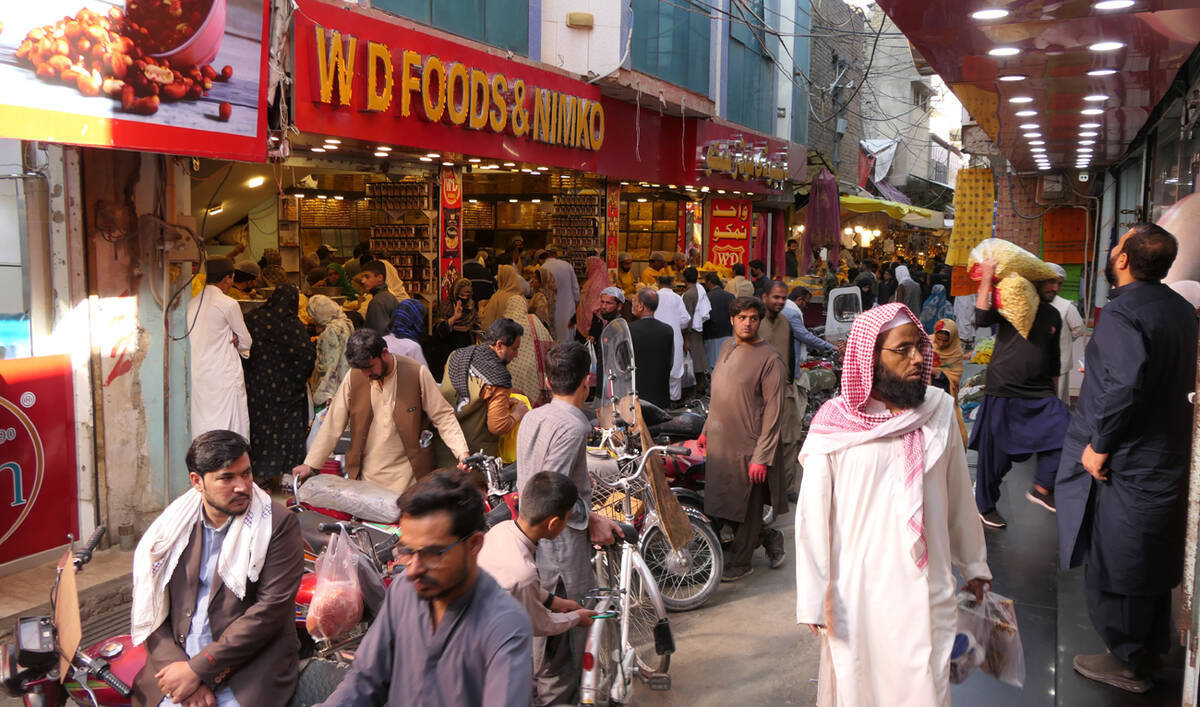


Customers gather to buy nimco snacks for Eid Al-Fitr in Quetta, Pakistan on March 26, 2025. (AN Photo) 

“There is no Eid without nimco because we serve these crunchy snacks to our relatives and friends with a cup of tea when they come over for Eid,” Shah, who had traveled from Mastung city located around 50 kilometers from Quetta, said. “It is a tradition in Balochistan.” 
Waleed Sabir, who lives in Quetta, said he had come to Masjid Road because he knew he would find all kinds of nimco there to buy for the Eid holiday.
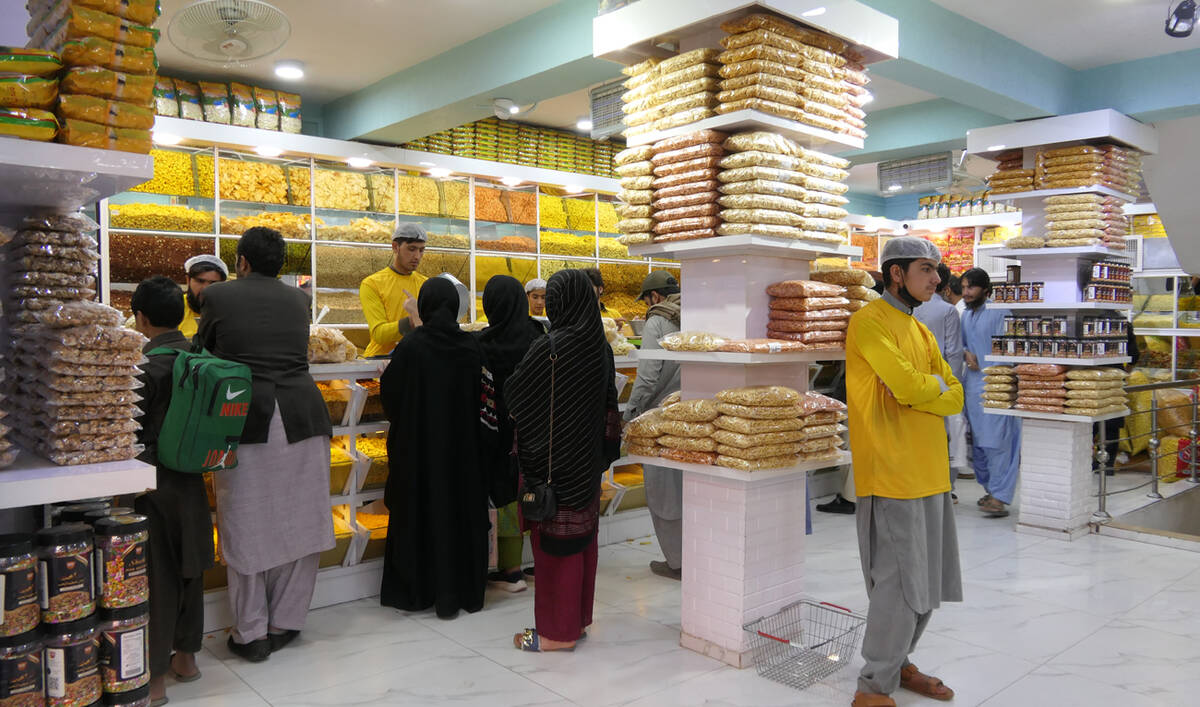


A shop set for nimco snacks sale in Quetta, Pakistan on March 26, 2025. (AN Photo) 

“People of Balochistan are very hospitable and every dining table in every house will be decorated with refreshment items and nimco during the three days of Eid.”
Though Balochistan has seen rise in militant attacks in recent months, which have dampened Eid shopping, many shoppers and sellers said nimco was still a hot favorite. 
“Compared to the past [Eids], activities [in markets] have declined a bit due to the law and order and the prevailing situation,” said Khan the nimco seller, “but overall things are still fine.”


Pakistan high court pauses tree-cutting in Islamabad until Feb. 2

Updated 10 sec ago
Follow

Pakistan high court pauses tree-cutting in Islamabad until Feb. 2

  • Islamabad High Court asks CDA to ‘explain and justify’ tree-cutting at next hearing
  • CDA officials say 29,000 trees were cut due to allergies, deny felling in green belts

ISLAMABAD: The Islamabad High Court has ordered an immediate halt to tree-cutting in the federal capital until Feb. 2, seeking justification from civic authorities over the legality of a large-scale felling drive that has seen thousands of trees removed in recent months.

The interim order, issued by a single-judge bench led by Justice Khadim Hussain Soomro, came during proceedings on a petition challenging the Capital Development Authority’s (CDA) tree-cutting operations in Islamabad’s Shakarparian area and H-8 sector.

At the outset of the hearing, the petitioner’s counsel argued that trees were being felled in violation of the Pakistan Environmental Protection Act 1997, the Islamabad Wildlife Ordinance 1979 and the city’s master plan.

“Respondents shall not cut trees till the next date of hearing,” Justice Soomro said in the court order released on Friday while referring to CDA officials.

“Respondents are directed to come fully prepared and to file paragraph-wise comments before the next date of hearing, along with a comprehensive report explaining the justification and legal basis for the cutting of trees,” he added.

According to the court order, the petitioner maintained that the CDA had not made any public disclosure regarding the legal basis for the operation and that the felling was causing environmental harm.

The petition sought access to the official record of tree-cutting activities and called for the penalization of CDA officials responsible for the act under relevant criminal and environmental laws.

It also urged the court to impose a moratorium on infrastructure projects in Islamabad, order large-scale replanting as compensation and constitute a judicial commission headed by a retired Supreme Court judge to probe the alleged violations.

CDA officials acknowledge around 29,000 paper mulberry trees have been cut in the capital in recent months, arguing that the species triggers seasonal allergies such as sneezing, itchy eyes and nasal congestion.

They also maintain that no trees have been removed from designated green belts and that the number of replacement trees planted exceeds those felled.

Designed in the 1960s by Greek architect Constantinos Doxiadis, Islamabad was conceived as a low-density city with green belts and protected natural zones at its core.

Critics, however, say the recent felling has extended beyond paper mulberry trees and question whether authorities are adhering to the city’s master plan and the legal protections governing forested and green areas.

The court has adjourned its hearing until Feb. 2, 2026.