WASHINGTON: The Atlantic magazine on Wednesday published what it said was the entire text of a chat group mistakenly shared with a journalist by top US national security officials laying out plans of an imminent attack on Yemen.
The stunning details, including the times of strikes and types of planes being used, were all laid out in screenshots of the chat, which the officials had conducted on a commercial Signal messaging app, rather than a secure government platform.
The magazine, which initially only published the broad outlines of the chat, said it was now publishing the details after the Trump administration confirmed it was genuine and repeatedly denied that any classified information had been included.
The scandal has rocked President Donald Trump’s administration, which for now is reacting defiantly — attacking The Atlantic and denying any wrongdoing.
National Security Council spokesman Brian Hughes had said Monday the chain cited by The Atlantic appeared to be “authentic.”
However, Vice President JD Vance, who was on the Signal chat, said The Atlantic had “oversold” the story, while White House Press Secretary Karoline Leavitt said “the entire story was another hoax.”
National Security Adviser Mike Waltz likewise insisted on X that the Signal chain revealed “no locations” and “NO WAR PLANS.”
However, the depth of detail in the now published chat will fuel a furious outcry from Democrats in Congress who are accusing the Trump officials of incompetence and putting US military operations in peril.
The House of Representatives was set to discuss the scandal in a hearing Wednesday.
The story first broke Monday when Atlantic journalist Jeffrey Goldberg said Defense Secretary Pete Hegseth sent information in the Signal chat about imminent strikes against the Houthi rebels on March 15.
For reasons unknown, Goldberg’s phone number had been added to the group, also including Central Intelligence Agency Director John Ratcliffe, among others.
Goldberg also revealed disparaging comments by the top US officials about European allies during their chat.
The Atlantic initially did not publish the precise details of the chat, saying it wanted to avoid revealing classified material and information that could endanger American troops.
But on Tuesday, Ratcliff and other officials involved in the chat played down the scandal, testifying before Congress that nothing critical had been shared or laws broken — and that nothing discussed was classified.
Trump himself brushed the breach off as a “glitch” and said there was “no classified information” involved.
The Atlantic said on Wednesday that it therefore asked the government whether in that case there would be any problem in publishing the rest of the material. It got no firm indications to the contrary.
The Atlantic said its full publication Wednesday included everything in the Signal chain other than one CIA name that the agency had asked not to be revealed.
The text discussion includes Hegseth laying out the weather conditions, times of attacks and types of aircraft being used.
The texting was done barely half an hour before the first US warplanes took off and two hours before the first target, described as “Target Terrorist,” was expected to be bombed.
The details are shockingly precise for the kind of operation that the public usually only learns about later — and in vaguer terms.
“1410: More F-18s LAUNCH (2nd strike package),” Hegseth writes at one stage.
“1415: Strike Drones on Target (THIS IS WHEN THE FIRST BOMBS WILL DEFINITELY DROP, pending earlier ‘Trigger Based’ targets).”
A short time later, Trump’s National Security Adviser Mike Waltz sent real-time intelligence on the aftermath of an attack, writing “Building collapsed. Had multiple positive ID” and “amazing job.”
The Houthis, who have controlled much of Yemen for more than a decade, are part of the “axis of resistance” of pro-Iran groups staunchly opposed to Israel and the US.
The Trump administration has stepped up attacks on the group in response to constant Houthi attempts to sink and disrupt shipping through the strategic Red Sea.


![]()

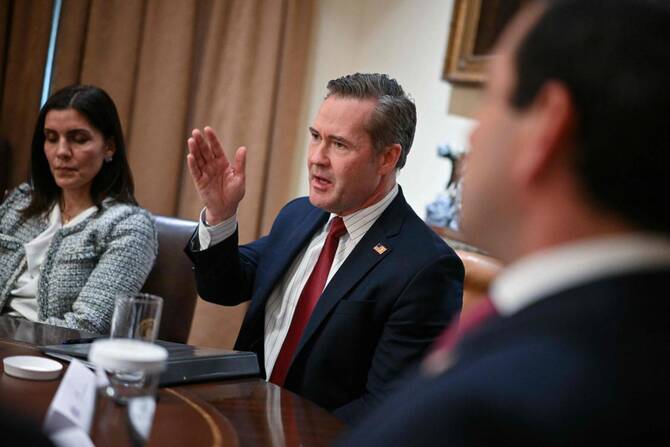
Atlantic releases entire Signal chat showing Hegseth’s detailed attack plans against Houthis
Short Url
https://arab.news/z25ja
Atlantic releases entire Signal chat showing Hegseth’s detailed attack plans against Houthis
- Magazine said it was now publishing details after the Trump administration confirmed it was genuine and denied any classified information had been included


Latest updates


© 2026 SAUDI RESEARCH & PUBLISHING COMPANY, All Rights Reserved And subject to Terms of Use Agreement.