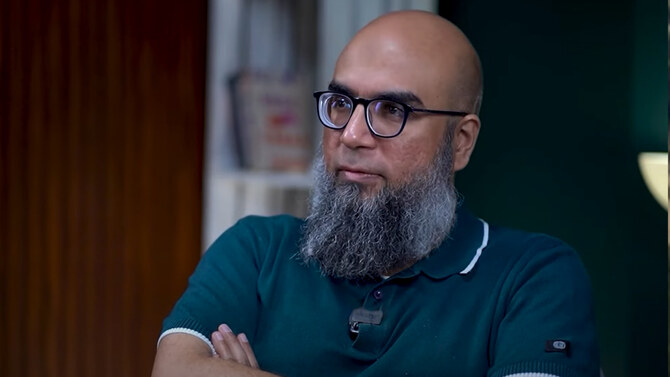
ISLAMABAD: The founder of a Pakistani Internet media channel appeared in court on Friday on charges of “anti-state posts and fake news” under toughened legislation targeting online content.
Farhan Mallick, head of the Raftar channel, was remanded in custody for three days, his media outlet reported on social media platform X.
The charge sheet seen by AFP shows he was detained under a revised law targeting people “intentionally disseminating” information that is “fake or likely to spread fear.”
The revised legislation carries a prison term of up to three years and prompted journalist protests when it was approved in January.
“At this stage, no concrete evidence has been presented to substantiate the anti-state allegations against Mr.Mallick or Raftar,” read an online statement by the channel, which primarily publishes podcasts and analyzes of current affairs.
Several of Raftar’s videos have amassed more than a million views in recent years and examine the role of Pakistan’s powerful military, which analysts say is deeply involved in the country’s politics and economy.
Mallick was arrested by the Federal Investigation Agency, which deals with cybercrime, on Thursday.
The independent Human Rights Commission of Pakistan subsequently called on authorities to “check the overreach of agencies... and uphold the right to freedom of expression.”
The criminalization of online disinformation has spread fear in Pakistan, with journalists among those worried about the potentially wide reach of the law.
“Amendments are being brought in specifically to quell dissent, to abduct, arrest, and detain journalists, and to silence journalism, silence dissent, and silence all criticism of the state,” human rights lawyer Imaan Mazari told AFP.
Pakistan is ranked 152 out of 180 countries in a press freedom index compiled by Reporters Without Borders.
Islamabad has long been criticized by watchdogs for restricting Internet access, including temporary bans on YouTube and TikTok, while X is officially blocked.


![]()

Pakistani journalist faces court over ‘anti-state’ posts
Short Url
https://arab.news/65e7x
Pakistani journalist faces court over ‘anti-state’ posts
- Farhan Mallick, head of the Raftar channel, was remanded in custody for three days, his media outlet reported on X
- He was detained under a law targeting people ‘intentionally disseminating’ information that is ‘fake or likely to spread fear’


Latest updates





© 2026 SAUDI RESEARCH & PUBLISHING COMPANY, All Rights Reserved And subject to Terms of Use Agreement.