
RIYADH: Saudi Arabia’s Al-Jouf province recorded a 15 percent year-on-year growth in commercial activity in 2024 thanks to successful regional economic initiatives, new data showed.
Released by the Vision Realization Office in Al-Jouf, the study also indicated a significant increase in the growth rate of new commercial registrations in the region, reaching 98 percent, the Saudi Press Agency reported.
This falls in line with promoting development and growth while encouraging private economic activity across all regions of the Kingdom, in line with Saudi Vision 2030.

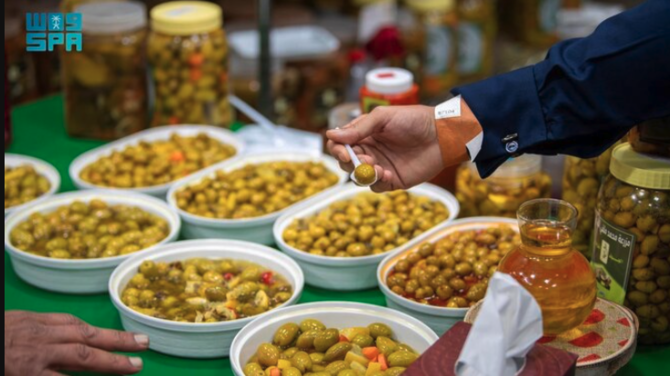
The Al-Jouf region is actively fostering innovative investments through unique and pioneering projects. File/SPA
It also aligns with the region’s role as the northern gateway to the Kingdom, connecting it to Jordan and facilitating trade through the Al-Haditha land port. This terminal is the third busiest in the nation, handling $247 million in imports and exports in 2019, according to Invest Saudi.
The study monitored the growth of funded projects across the region, with 478 initiatives, and support for existing undertakings with liquidity estimated at SR22.05 million ($5.88 million).
Small and medium-sized enterprises recorded a 33 percent growth in 2024 compared to 2023, while the share of women-funded projects reached approximately 52 percent, a clear indicator of the empowerment of Saudi females.
The analysis primarily attributed these gains to the efforts and commitment of the region’s governor, Prince Faisal bin Nawaf bin Abdulaziz.

Al-Jouf saw a significant increase in the growth rate of new commercial registrations in the region. File/SPA
This comes as he worked on translating the generous directives into reality, serving the interests of citizens. He urged the branches of ministries and relevant agencies to harness all resources to overcome challenges and find appropriate solutions.
The governor also monitored the implementation of projects that serve the Al-Jouf region, its governorates, and centers, both investment- and development-oriented, as well as prevented any failures, achieving their set goals.
In March, Prince Faisal said that Saudi Arabia’s Al-Jouf province offers a fertile investment landscape due to abundant renewable energy and a robust food supply.

The Al-Jouf province offers a fertile investment landscape due to abundant renewable energy and a robust food supply. File/SPA
At the time, he highlighted that the region offers many investment opportunities and competitive advantages. He also emphasized that Al-Jouf has implemented various initiatives to overcome challenges for potential investors, with coordinated efforts across multiple government sectors.
The official also underlined at the time that the Al-Jouf region is actively fostering innovative investments through unique and pioneering projects. He emphasized that these endeavors will create future employment prospects for both male and female youth in the region and the nation at large.