Oil production resumes at Libya’s Mabruk field after a decade

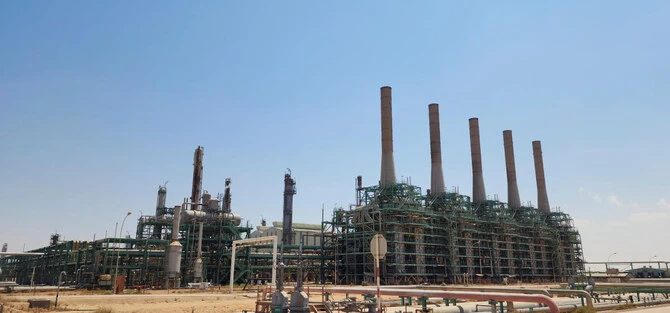
Libya's Mabruk Oil Operations has resumed production at the Mabruk oilfield after a decade-long shutdown, the Tripoli-based Government of National Unity (GNU) said in a statement on Wednesday. (Reuters/File)
Short Url
Updated 12 March 2025
Follow

Oil production resumes at Libya’s Mabruk field after a decade

  • Production officially restarted on Sunday at an initial rate of 5,000 barrels per day
  • Crude began to be transferred to the nearby Al-Bahi field

DUBAI: Libya’s Mabruk Oil Operations has resumed production at the Mabruk oilfield after a decade-long shutdown, the Tripoli-based Government of National Unity (GNU) said in a statement on Wednesday.
Production officially restarted on Sunday at an initial rate of 5,000 barrels per day, according to the statement, with plans for an increase to 7,000 bpd by the end of March and 25,000 bpd by July.
Crude began to be transferred to the nearby Al-Bahi field on Tuesday as part of efforts to improve the efficiency of the country’s oil infrastructure and operations.
Libya’s National Oil Corporation (NOC) had said it planned to reopen the Mabruk oilfield in the first quarter of 2023 with production up to 25,000 barrels per day.
The field had been closed in 2015 after what NOC described as a “terrorist” attack that cost the company $575 million in field equipment losses.
Libya, holding Africa’s largest proven oil reserves, has struggled to maintain consistent output levels due to internal conflicts and infrastructure damage since 2011.
“This marks a significant step forward in Libya’s oil sector, reflecting improved stability and confidence in our capacity to rebuild and boost the national economy,” Wednesday’s statement said.
Hezbollah chief says supports state diplomacy to stop Israeli aggression

Updated 6 sec ago
Follow

Hezbollah chief says supports state diplomacy to stop Israeli aggression

  • The state has chosen “diplomacy to end the aggression and implement” a November 2024 ceasefire deal “and we support it continuing in this direction,” Qassem said
  • “They want to eliminate our existence,” Qassem said, but “we will defend ourselves”

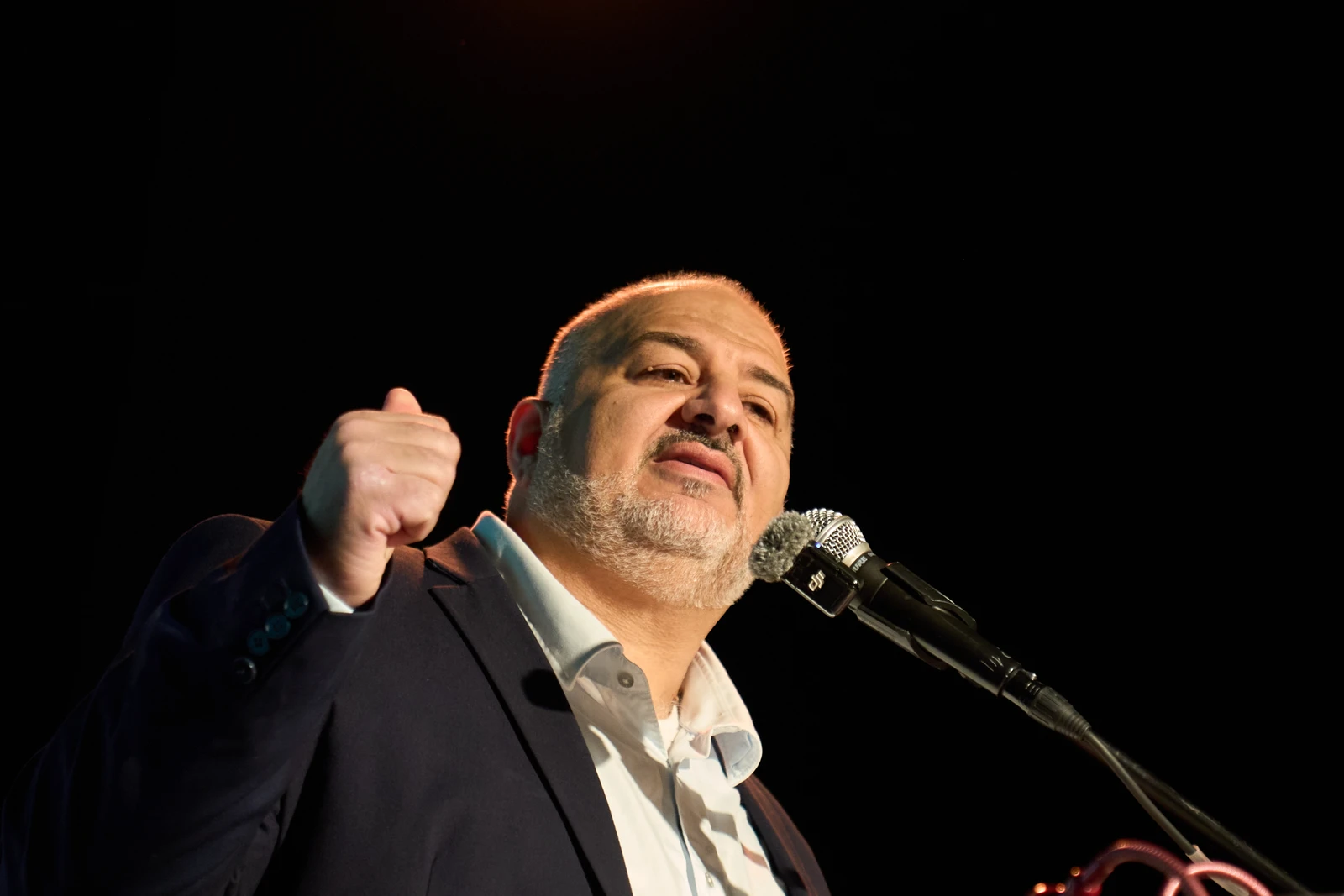
BEIRUT: Hezbollah chief Naim Qassem on Friday said his group supported the Lebanese state’s pursuit of diplomacy to end Israeli attacks, while also criticizing the inclusion of a civilian representative in recent talks with Israel.
The state has chosen “diplomacy to end the aggression and implement” a November 2024 ceasefire deal “and we support it continuing in this direction,” Qassem said in a televised address.
Lebanese and Israeli civilian representatives held their first direct talks in decades on Wednesday under the auspices of the year-old ceasefire monitoring mechanism, a move Lebanon’s president said was to avoid prospects of another war in Lebanon.
Qassem criticized the move and urged authorities to reconsider.
“We consider this measure an additional misstep on top of the sin” of the government’s decision in August to task the army with disarming Hezbollah, he said.
“Have you made a gratuitous concession? This concession will not change the enemy’s position, nor its aggression or occupation,” Qassem said, accusing Israel and the United States of wanting Lebanese authorities to be negotiating “under fire.”
“They want to eliminate our existence,” Qassem said, but “we will defend ourselves, our people, our country. We are prepared to sacrifice everything, and we will not surrender.”
He accused Israel of violating the year-old ceasefire that sought to end more than a year of hostilities between Israel and his Iran-backed group, which emerged heavily weakened with its arsenal pummelled and senior commanders killed including former chief Hassan Nasrallah.
Qassem said his group was cooperating with the Lebanese authorities, and that America and Israel should have “no say in how we manage our domestic affairs,” calling their imposition of conditions on Lebanon as “unacceptable.”
Lebanese Prime Minister Nawaf Salam has said the new talks were strictly limited to fully implementing last year’s truce and did not amount to broader peace discussions.