

Saudi project restores authenticity to Najran’s historical mosque

1 / 2
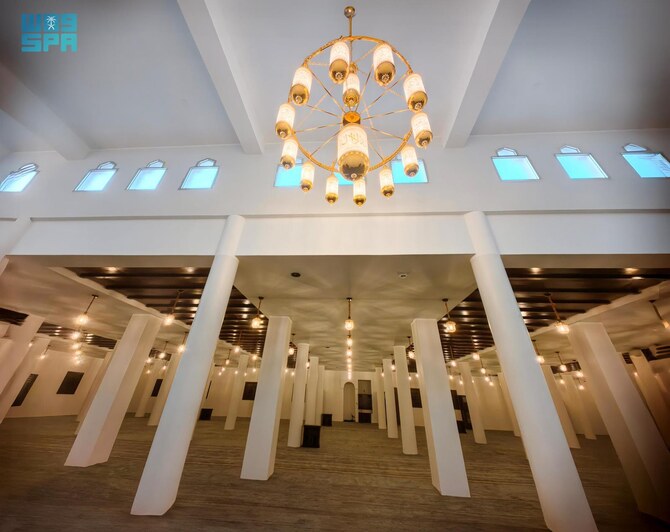
Built in 1966, the mosque spans 1,436 sq. meters and accommodates 1,000 worshippers. (SPA)
2 / 2
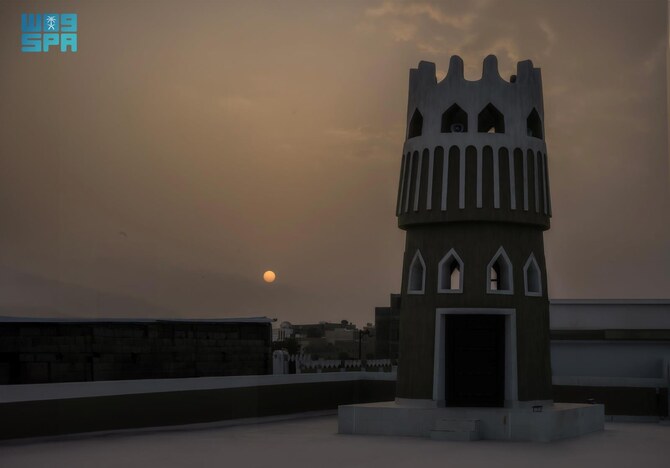
The project aims to correct previous renovations that introduced non-authentic materials, restoring the mosque to its original heritage style. (SPA)
Short Url
Updated 12 March 2025
Follow

Saudi project restores authenticity to Najran’s historical mosque

  • The project aims to correct previous renovations that introduced non-authentic materials, restoring the mosque to its original heritage style
  • Built in 1966, the mosque spans 1,436 sq. meters and accommodates 1,000 worshippers

RIYADH: Al-Zubair bin Al-Awwam Mosque, located near the historic Emirate Palace in Najran, is undergoing restoration as part of the second phase of the Prince Mohammed bin Salman Project for the Development of Historic Mosques.

The project aims to correct previous renovations that introduced non-authentic materials, restoring the mosque to its original heritage style, reflective of the Najran region, according to the Saudi Press Agency.

Built in 1966, the mosque spans 1,436 sq. meters and accommodates 1,000 worshippers, the SPA added.

Its construction follows traditional methods, featuring horizontal courses and roofing made from wood extracted from palm trunks, fronds, and tamarisk trees.

The restoration will use the same natural materials as the original construction, preserving the distinctive architectural character of Al-Zubair bin Al-Awwam Mosque — the first mosque in Najran’s old popular market area.

It is one of 30 mosques across 13 regions included in the project’s second phase, which covers six mosques in Riyadh, five in Makkah, four in Madinah, three in Asir, two each in the Eastern Province, Jouf, and Jazan, and one each in the Northern Borders, Tabuk, Baha, Najran, Hail, and Qassim.

Phase two follows the successful completion of phase one in 2018, which restored 30 mosques in 10 regions, the SPA reported.

The project balances traditional and modern construction standards, ensuring the sustainability of mosque components while preserving their heritage and historical features.

Saudi companies and engineers specializing in heritage restoration are leading the development efforts, according to the report.

The project’s four strategic objectives include restoring historic mosques for worship, preserving their architectural authenticity, highlighting the Kingdom’s cultural heritage, and enhancing their religious and cultural significance.

It also aligns with Saudi Arabia’s Vision 2030 by preserving architectural heritage and integrating it into modern mosque designs.


Taif festival celebrates Saudi Arabia’s literary icons

Updated 11 January 2026
Follow

Taif festival celebrates Saudi Arabia’s literary icons

  • It introduces visitors to the contributions of literary pioneers through accessible visual and narrative content

TAIF: A special section highlighting key Saudi literary figures forms part of the Writers and Readers Festival in Taif.

The area explores the lives of distinguished writers, poets, and authors who have shaped the Kingdom’s creative landscape, influencing literature, journalism, theater and intellectual thought.

It introduces visitors to the contributions of literary pioneers through accessible visual and narrative content, the Saudi Press Agency reported on Sunday.

Organized by the Literature, Publishing and Translation Commission, the festival runs until Jan. 15 and features 42 prominent publishing houses from Saudi Arabia and overseas, offering visitors the chance to explore the latest works in literature, philosophy and general knowledge.

Meanwhile, the festival’s interactive murals section engages visitors with openwork art panels, allowing them to contribute to the city’s features and identity.

The murals depict Taif’s natural and historical landmarks, including Al-Hada Mountain, the Taif rose gardens, and traditional Hijazi palaces. Others are inspired by Souq Okaz, a historic literary and commercial center linked to the region’s poetic heritage.

Designed by a visual artist, they blend folk-inspired elements with imaginative expression, creating a collaborative experience that celebrates the city’s beauty and brings art closer to the public.