QUETTA: An armed operation by Pakistan’s security forces against militants in southwestern Pakistan has entered its “final stages,” a security official with direct knowledge of the development said on Wednesday, amid efforts to rescue hundreds of people taken hostage by separatists who hijacked a train a day earlier.
The separatist Balochistan Liberation Army (BLA) bombed part of a railway track and stormed the Quetta-Peshawar-bound Jaffar Express on Tuesday afternoon in Mushkaaf, an area in the mountainous Bolan range of Balochistan. The group said on Tuesday night it was holding 214 people as hostages, including military, police and intelligence officials, while a security official said 190 passengers had been rescued by Wednesday afternoon.
The province has been the site of a low-level separatist insurgency for decades, with separatist groups accusing the government of stripping the province’s natural resources and leaving its people mired in poverty. They say security forces routinely abduct, torture, and execute ethnic Baloch, allegations echoed by human rights campaigners. Government officials and security forces strongly deny violating human rights and say they are uplifting the province through development projects, including multi-billion-dollar schemes funded by China.
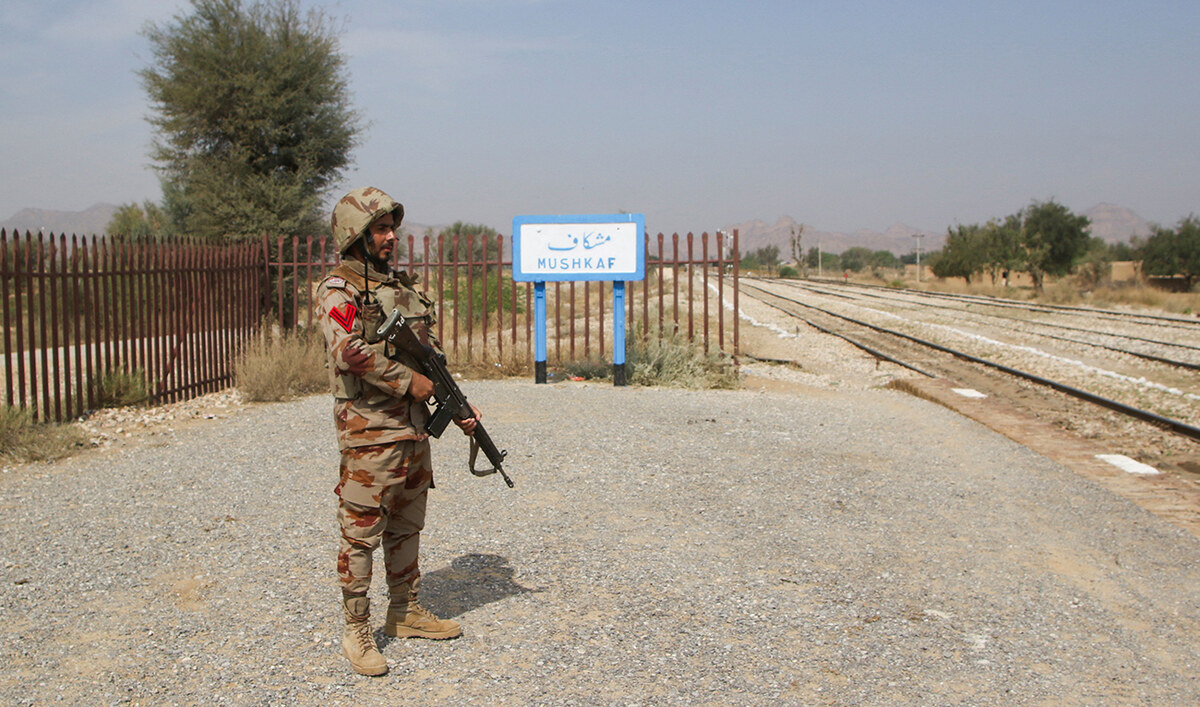
A Pakistan Army soldier stands guard, after the attack on a train by separatist militants in Bolan, at the railway station in Mushkaf, Balochistan, Pakistan on March 12, 2025. (REUTERS)
The security official with direct knowledge of the ongoing rescue operation to take back control of the train and free hostages earlier said at least 30 militants had been killed. He said there were suicide bombers aboard the train, who were using women and children as “human shields,” due to which security forces were exercising “extreme caution.”
“Security forces’ operation against terrorists has entered its final stages,” the official said. “A large number of hostages, including women and children, who were being used as human shields have been rescued.”
The official said all militants at the scene had been killed, adding that the number of passengers who had died was being determined.
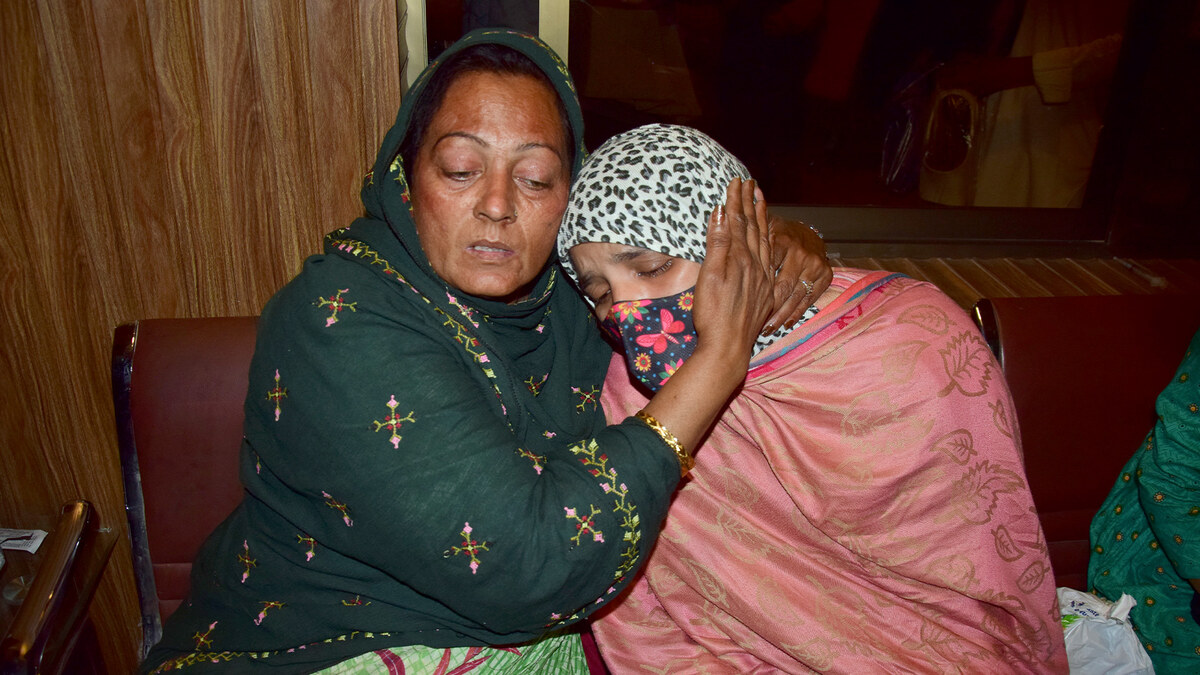
Passengers rescued by security forces from a passenger train attacked by insurgents comfort each other upon their arrival at a railway station in Quetta, Pakistan on Wednesday, March 12, 2025. (AP)
Meanwhile, the BLA said Pakistan’s security forces launched an armed advance using “heavy artillery and sophisticated weaponry,” leading to intense clashes between both sides.
The BLA said in retaliation it executed 50 additional captive enemy personnel, adding that it has so far killed over 100 “enemy personnel” since Tuesday. The military has not responded to the banned outfit’s claims.
The BLA said it has approximately 150 hostages under its custody, warning security forces that they will be executed immediately if the military launches another operation.
The official had earlier said that the militants were in touch with their “handlers” in Afghanistan, echoing a common accusation by Pakistani security and government officials that a recent spike in militancy was being orchestrated from the neighboring country.
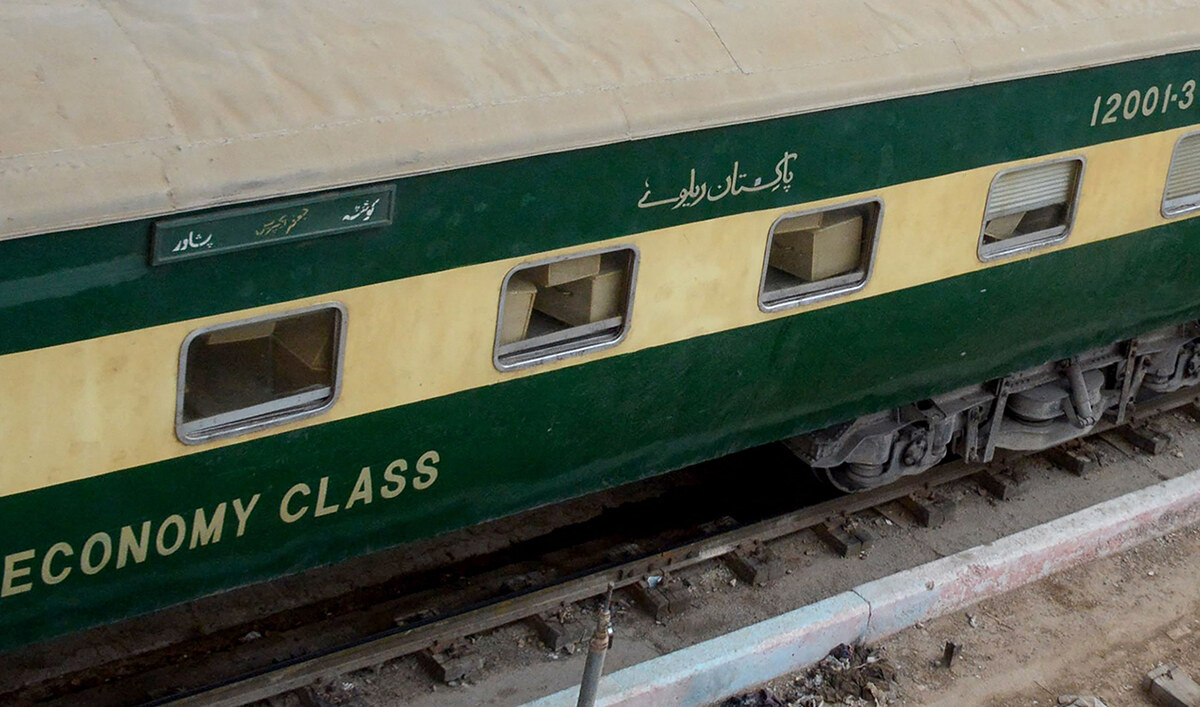
A train carrying empty coffins to the siege site, stands at a railway station in Quetta on March 12, 2025. (AFP)
The Taliban rulers in Kabul deny they allow Afghan soil to be used by insurgents to plan or carry out terror attacks.
ARMY TAKES CONTROL OF RAILWAY STATION
Earlier on Wednesday afternoon, an Arab News eyewitness described seeing dozens of empty coffins being brought to the Quetta Railway Station in the provincial capital. He said the station was overrun with army personnel while dozens of family members of hostages had arrived in search of their loved ones. These included the family of Amjad Yasin, the 50-year-old driver of the Jaffar Express, who officials said on Tuesday had been killed in the assault.
“We have been contacting railway officials since yesterday, but no one is telling the truth,” Amir Yasin, the driver’s younger brother, told Arab News.
“There are multiple reports coming about my brother’s death but how can we believe it until we see his body?”
Ghulam Muhammad Sumroo, a railway official, told Arab News 16 passengers, including two injured Railway Police officers, had reached Mach Railway Station and were being moved to Quetta, the provincial capital.
Muhammad Abid, a railway employee who was on the train and arrived at Mach Station, described the attack as the most “horrific day” of his life.
“We were sitting in one of the compartments of Jaffar Express when a powerful explosion targeted the train and intense firing started,” he told Arab News over the phone.
“We hid in the washrooms with other passengers, but then armed men came in and off boarded us from the train,” he added. “After checking our identity cards, they asked us to run on the track. My life flashed before my eyes when I saw dozens of armed men standing on the railway track.”
Muhammad Ashraf, a 68-year-old passenger traveling to Hafizabad in Punjab to meet his daughter, said that when the train departed from Paneer Railway Station, he heard an explosion about seven to eight kilometers into the journey, followed by intense gunfire, saying many people had been killed and injured.
“Armed men boarded the train and asked everyone to leave the train or prepare to die,” he told Arab News, adding that the militants made the passengers walk on the tracks for three and a half hours on foot.
Ashraf said the militants had detained over 200 passengers, in his rough estimate.