Intelligence sharing with Pakistan DG ISI led to capture of Kabul bombing suspect — CIA chief

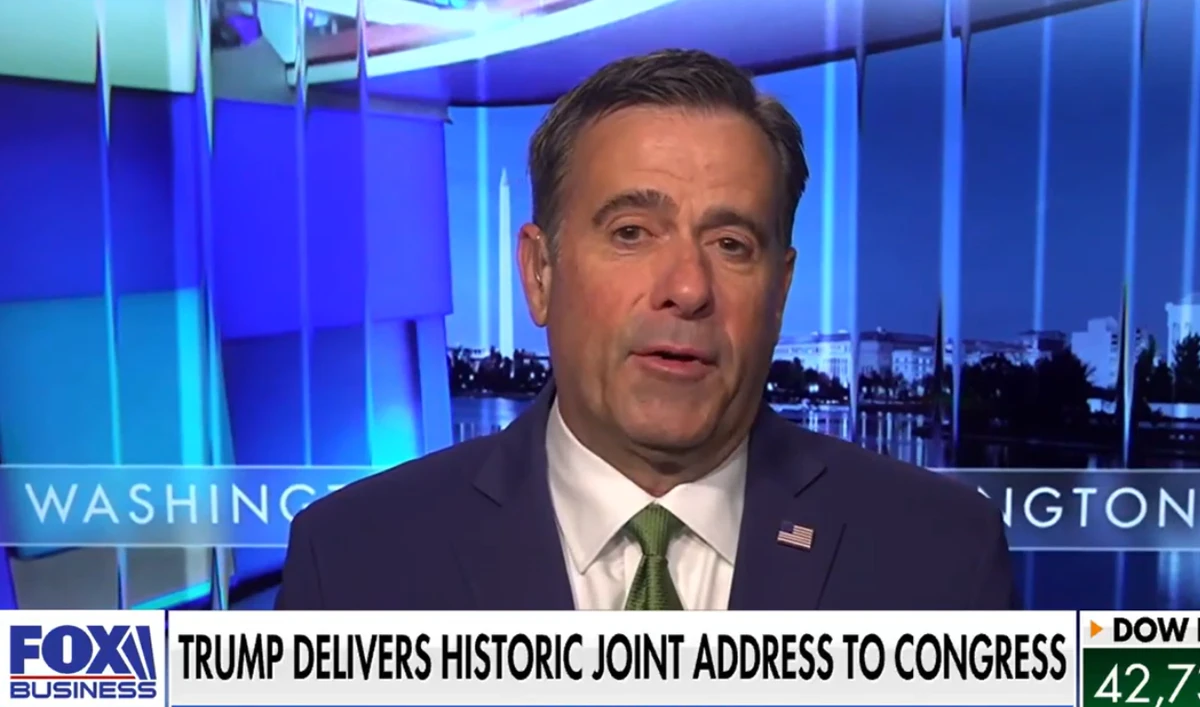
US Central Intelligence Agency (CIA) Director John Ratcliffe speaking to Fox News on March 5, 2025. (Fox News/Screen grab)
Short Url
Updated 07 March 2025
Follow

Intelligence sharing with Pakistan DG ISI led to capture of Kabul bombing suspect — CIA chief

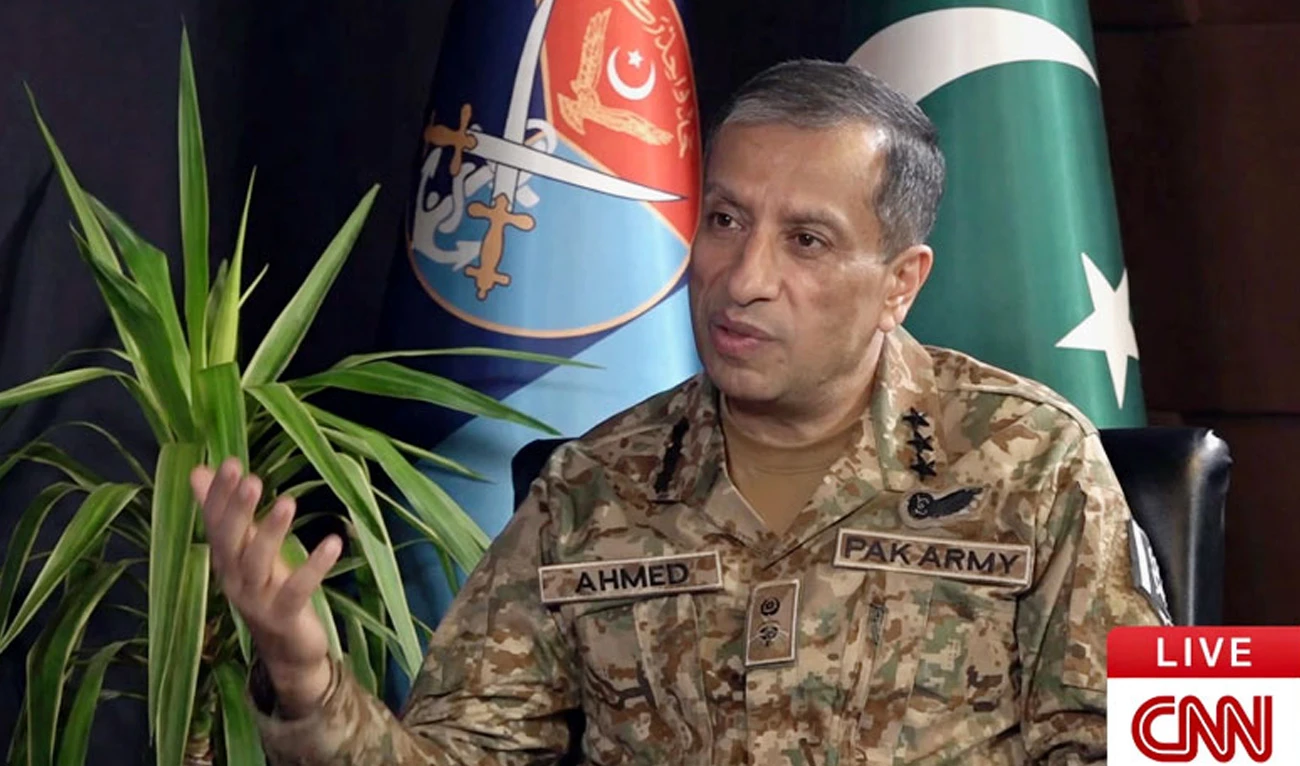
  • CIA Director John Ratcliffe says told Lt Gen Asim Malik about Sharifullah’s location on the Afghan-Pakistan border
  • US has charged Sharifullah with helping plan attack at Kabul airport which killed at least 170 Afghans and 13 US soldiers

ISLAMABAD: US Central Intelligence Agency (CIA) Director John Ratcliffe confirmed this week Mohammad Sharifullah, blamed for a 2021 attack on US troops at Kabul airport, was arrested through intelligence sharing with Pakistan’s top military spy agency, the Inter-Services Intelligence (ISI).

The United States has charged Sharifullah with helping plan the attack at Kabul airport which killed at least 170 Afghans and 13 US soldiers as they sought to help Americans and Afghans flee in the chaotic aftermath of the Taliban takeover. The attack was claimed by Daesh-K, the Afghan branch of the Daesh group. 

Speaking to Fox News, Ratcliffe said he had shared information with his Pakistani counterpart, Lt Gen Asim Malik, the DG ISI, about the location of Sharifullah, also known by the alias Jafar, along the Pakistan-Afghanistan border.

“My second day on the job I spoke with the head of Pakistani intelligence,” Ratcliffe told Fox News in an interview. “I shared with him that we had intelligence indicating that Jafar was located in the Afghan-Pakistan border region.”

He said he told Malik to make the capture of the Daesh commander “a high priority” if Pakistan wanted to work with President Donald Trump and “have good relations with our country.”

“So, we worked with Pakistani intelligence,” Ratcliffe added. “Jafar was apprehended in short order and is in US custody.”

The US Justice Department has charged Sharifullah with “providing and conspiring to provide material support and resources” to Daesh. 
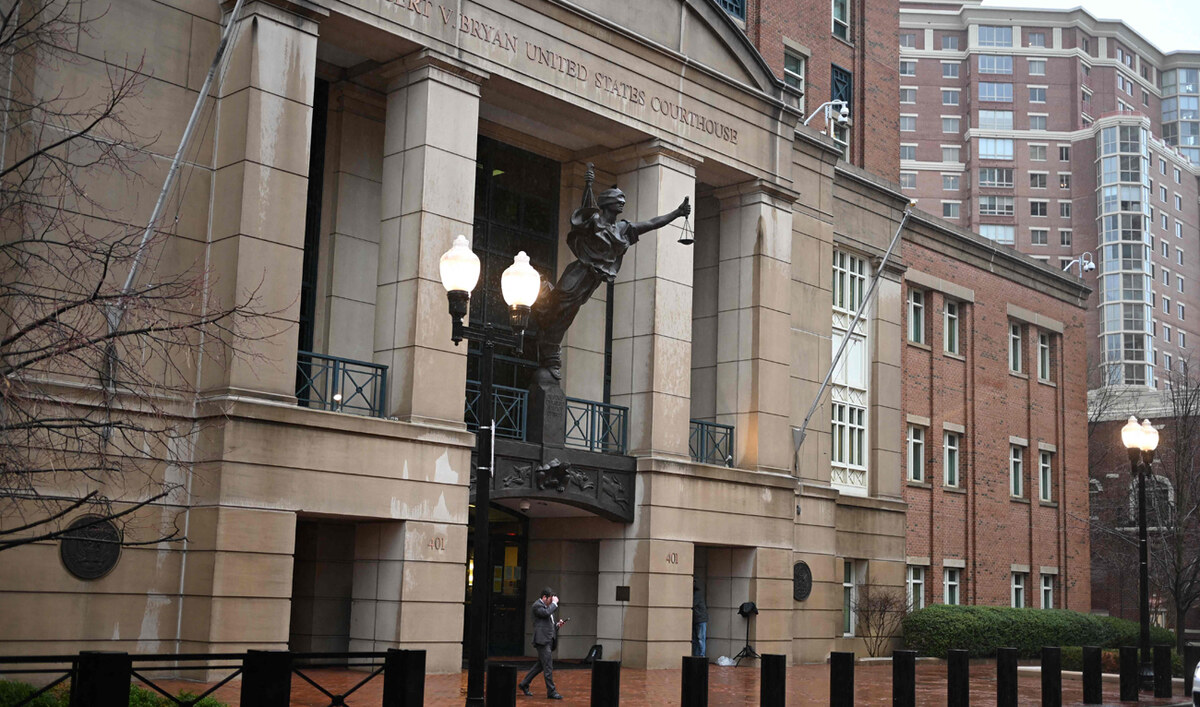


A view of the Albert V. Bryan US Courthouse of the US District Court Eastern District of Virginia, on March 5, 2025, in Alexandria, Virginia. A Daesh operative who helped plan the 2021 suicide bombing outside Kabul airport during the chaotic US military withdrawal has been arrested, President Donald Trump has said. The man named as Mohammad Sharifullah, also known as Jafar, and appeared in a federal court in Virginia on March 5, 2025. (AFP)

“He confessed. This was the planner of that bombing,” White House national security adviser Mike Waltz said in an interview with Fox News this week. 

On Thursday, US State Department spokesperson Tammy Bruce said the US was thankful to the Pakistani government for its “partnership” in bringing Sharifullah to justice. 

“And we have, regarding Pakistan and the nature of our relationship, we have a common interest, obviously, in fighting terrorism, and the arrest of this terrorist also illustrated that US-Pakistan cooperation on counterterrorism remains vitally important,” she said during a press briefing.

Pakistani Prime Minister Shehbaz Sharif has also thanked Trump for recognizing Pakistan’s role in counterterrorism and confirmed the involvement of Pakistani security forces in the arrest of Sharifullah, an Afghan national.

Pakistan and the US have a history of counterterrorism cooperation, especially post-9/11, when Pakistan began handing over Taliban and Al-Qaeda members to US authorities. 

However, Pakistan’s links with Washington have frayed in recent years, while arch-rival India has gained greater influence.


Pakistan to begin first phase of Hajj 2026 trainings from today

Updated 31 December 2025
Follow

Pakistan to begin first phase of Hajj 2026 trainings from today

  • Training programs to be held in phases across Pakistan till February, says religion ministry
  • Saudi Arabia allocated Pakistan a total quota of 179,210 pilgrims for Hajj 2026

ISLAMABAD: Pakistan’s religious affairs ministry has said that it will begin the first phase of mandatory Hajj 2026 training for pilgrims intending to perform the pilgrimage from today, Thursday.

The one-day Hajj training programs will be held in phases across the country at the tehsil level until February. The ministry directed intending pilgrims to bring their original identity cards and the computerized receipt of their Hajj application to attend the training sessions.

“Pilgrims should attend the one-day training program according to their scheduled date,” Pakistan’s Ministry of Religious Affairs (MoRA) said in a statement.

The ministry said training schedules are being shared through the government’s Pak Hajj 2026 mobile application as well as via SMS. It added that details of the schedule are also available on its website.

According to the ministry, training programs will be held in Abbottabad on Jan. 2; Ghotki, Thatta and Kotli on Jan. 3; and Tando Muhammad Khan and Khairpur on Jan. 4.

Hajj training sessions will be held in Rawalakot, Badin and Naushahro Feroze on Jan. 5, while pilgrims in Fateh Jang, Dadu and Tharparkar will receive the training on Jan. 6.

The ministry said training programs will be conducted in Umerkot and Larkana on Jan. 7, followed by sessions in Mirpurkhas, Shahdadkot and Mansehra on Jan. 8.

Pakistan’s religious affairs ministry has previously said these trainings will be conducted by experienced trainers and scholars using multimedia.

It said the training has been made mandatory to ensure that intending pilgrims are fully aware of Hajj rituals and administrative procedures.

Saudi Arabia has allocated Pakistan a quota of 179,210 pilgrims for Hajj 2026, of which around 118,000 seats have been reserved under the government scheme, while the remainder will be allocated to private tour operators.

Under Pakistan’s Hajj scheme, the estimated cost of the government package ranges from Rs1,150,000 to Rs1,250,000 ($4,049.93 to $4,236), subject to final agreements with service providers.