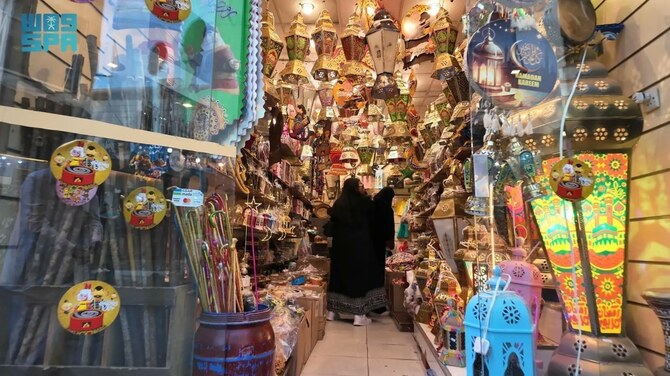

RIYADH: Ramadan is being observed in March during the winter season in Saudi Arabia and the rest of the northern hemisphere for the first time in many years.
The mild weather is ushering in cool comforts for fasting Muslims, making it a pleasant experience for them compared to recent years, when the faithful have endured the challenge of fasting during long, hot days at the peak of the summer season.
“After long (spells) of having Ramadan in summer, now being observed in winter for the first time in many years, and fasting during (these) cold days has made the experience considerably comfortable and pleasant,” said Abdul Ghaffar, an expat who has been living in the Kingdom for the past 25 years working as a senior consultant in talent development.
Although last year had pleasant weather for much of the month, prior to that Muslims had endured the challenge of fasting during long, hot days at the peak of summer, he said.
“The shorter winter days significantly reduce the fasting hours, allowing us to break our fast a bit earlier and relief from the scorching sunshine in the summer,” said Abdullah Ahmed, a university student in Riyadh.
“This pleasant weather is a welcome change, as it lightens the physical burden of fasting. Also, the cool weather enables engaging in outdoor activities during the day as well as after the iftar,” he added.
Iffat Aabroo, a homemaker in Riyadh, echoed the view on fasting in winter season: “The lower mercury level of below 20 degree Celsius maximum temperature during the last week and varying between 19 to 27 degree Celsius maximum and 7 to 15 degree Celsius minimum this week, and shorter days, ease the fasting.
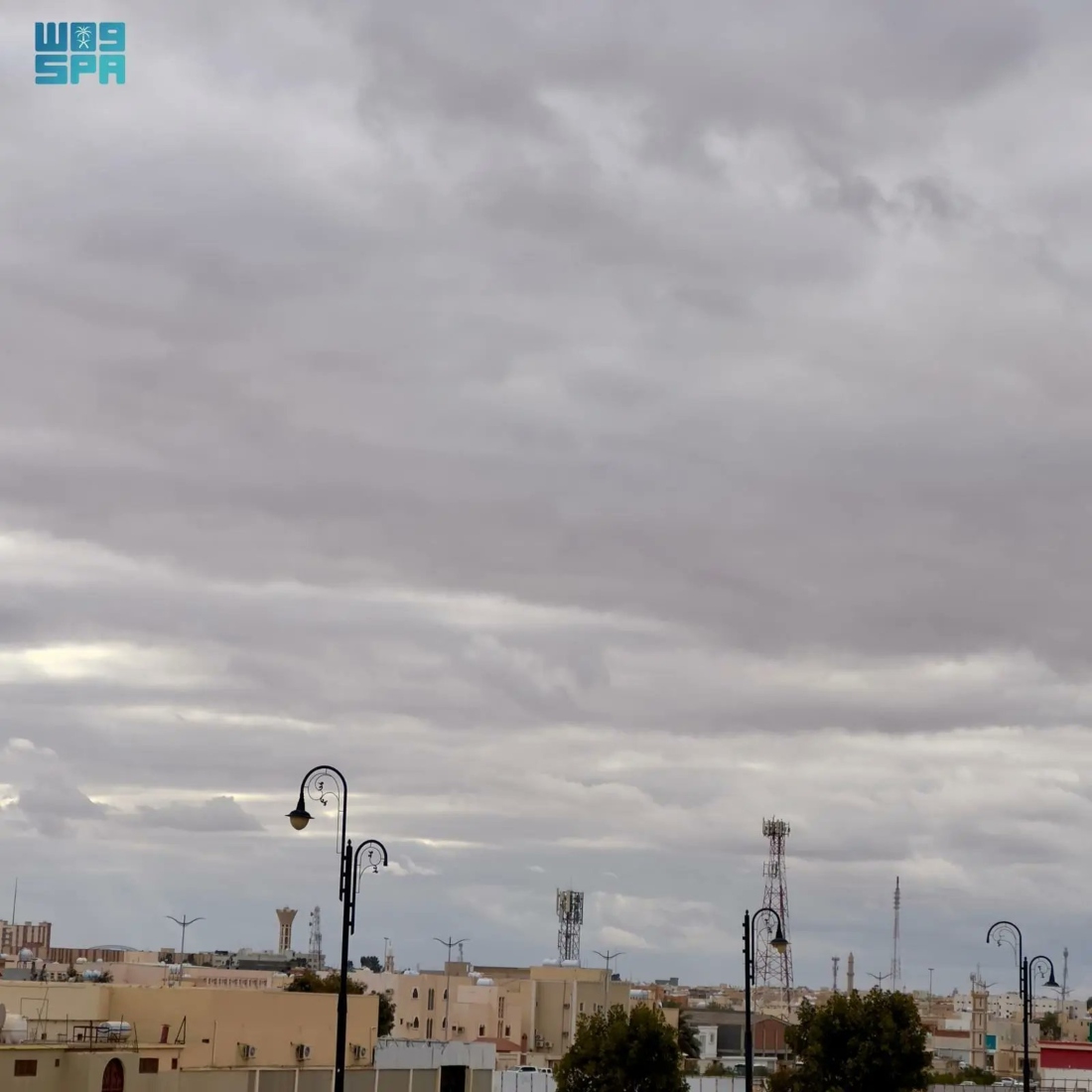
Ramadan in winter brings cool comfort for fasting faithful. (SPA)
“It’s common to feel thirsty when fasting for long hours during the intense summer heat, and it’s important, as medically advised, to take the necessary precautions to stay hydrated when fasting, but it’s easy to fast during winter and do don’t feel thirsty like the summer,” she said.
Javed Hasan, a taxi driver in the capital, said: “It made fasting easy, particularly for those of us who cannot always stop for iftar due to the nature of our work.
“To be on the streets to pick and drop people from one place to another is much easier these days as opposed to the hot summer season.
“The pleasant weather not only makes fasting less daunting but also improves our overall well-being, making the spiritual journey more engaging and fruitful,” he added.
Counting on many advantages — both in spiritual upliftment and social engagement — when Ramadan is observed in winter, Shahid Anwar, an Indian expat who works as a safety manager in Riyadh, said: “To be on the working site while fasting now in winter is much easier.

The Clock Tower in Makkah turning itself Green to welcome the Holy month of Ramadan. (INTERNET/X.com)
“The confluence of spiritual reflection and favorable weather makes Ramadan a uniquely enjoyable experience,” he added. “The nights are particularly lively, with traditional decorations and treats drawing more people outdoors than in the hotter days during the summer.”
With milder temperatures, many community organizations are arranging outdoor iftars, enhancing community dining experiences for families and friends, he said.
A cold wave gripping several parts of the northern border region last week froze a decorative fountain in Rafha governorate.
Viral photos on social media showed the fountain covered in ice as temperatures plunged below zero degrees.
The severe drop in temperature, recorded at -2 degrees Celsius in Rafha, caused water to freeze in open areas and frost to form on trees and green spaces, while temperatures in Turaif plummeted to -4 degrees Celsius, leading to frozen water surfaces and layers of snow on ponds and basins, the Saudi Press Agency reported.
Turaif, known for its harsh winters, frequently experiences frost and snow due to polar air masses moving south from Europe.
With a significant temperature drop marking Ramadan’s arrival in the Northern Borders region, Turaif on Monday recorded 1 degree Celsius, and Arar dipped below 4, according to the National Center for Meteorology.
This cold snap, expected to persist mid-month, evokes memories of Ramadan’s winter seasons three decades ago, with residents recalling iftar cannons in the chilly air in the 1990s.