BEIRUT: Lebanon’s new government will negotiate with the International Monetary Fund for a new program and will work to deal with the country’s financial default and public debt, according a policy statement approved by the cabinet late on Monday.
The statement, a copy of which was reviewed by Reuters, said the government would work for an economical revival that could only be achieved through restructuring the banking sector.
Lebanon has been in deep economic crisis since 2019, when its financial system collapsed under the weight of massive state debts, prompting a sovereign default in 2020 and freezing ordinary depositors out of their savings in the banking system.
Beirut reached a draft funding deal with IMF in 2022 — contingent on reforms that authorities failed to deliver.
Finance Minister Yassin Jaber, who took office as part of a new government agreed earlier this month, met on Tuesday with the IMF’s Resident Representative in Lebanon Frederico Lima, Lebanon’s National News Agency reported.
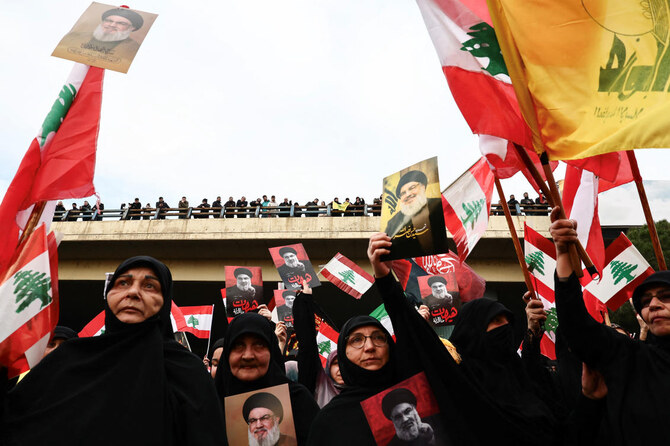
Lebanon’s political landscape has been turned on its head since the Iran-backed Lebanese group Hezbollah, long a dominant player in Lebanese politics, was badly pummelled in last year’s war with Israel.
Reflecting the shift in the power balance, the statement did not include language used in previous years that was seen to legitimize a role for Hezbollah in defending Lebanon, saying instead “we want a state that has the decision of war and peace.”
The statement added that it is required to adopt a national security strategy and a foreign policy that works to ‘neutralize’ Lebanon from conflicts.
In the field of energy, the Lebanese government will seek to resume work in oil and gas exploration, according to the cabinet statement, which also revealed plans to establish a Ministry of Technology and Artificial Intelligence.
Diplomatically and with the new administration in neighboring Syria after the ouster of Syrian President Bashar Assad, the statement said the Lebanese government believes it has an opportunity to start a “serious dialogue” aimed at controlling and demarcating the borders and working to resolve the issue of displaced Syrians in Lebanon.


![]()

Lebanese government to seek new IMF program, policy statement says
Short Url
https://arab.news/nybmz
Lebanese government to seek new IMF program, policy statement says
- The statement said the government would work for an economical revival that could only be achieved through restructuring the banking sector
- Lebanon has been in deep economic crisis since 2019


Latest updates




© 2026 SAUDI RESEARCH & PUBLISHING COMPANY, All Rights Reserved And subject to Terms of Use Agreement.