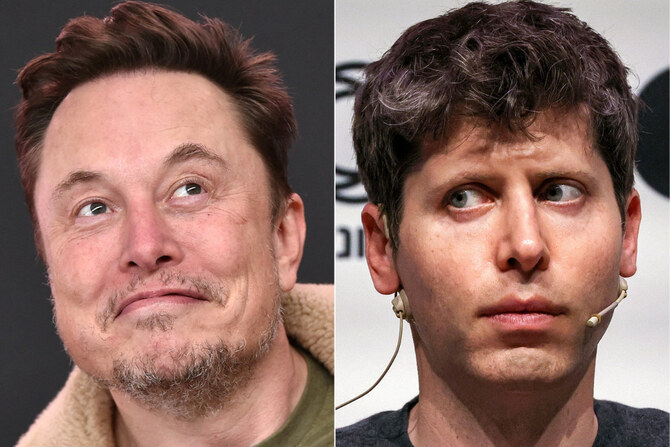
NEW YORK/PARIS: OpenAI’s board has not yet received a formal bid from an Elon Musk-led consortium, although a lawyer for the billionaire said the offer had been sent to OpenAI’s outside counsel. A day after Musk publicized a bid to offer $97.4 billion to buy the nonprofit that controls ChatGPT maker OpenAI, the two sides were still at odds over what exactly happened to the formal bid.
OpenAI’s board of directors has not yet received a formal bid from Musk’s group, a source familiar with the matter told Reuters on Tuesday, adding to the confusion over the unsolicited attempt to take control of the world’s most prominent AI company.
Musk’s lawyer, Marc Toberoff, told Reuters that he sent the offer by email on Monday to OpenAI’s outside counsel at Wachtell, Lipton, Rosen & Katz. The law firm did not immediately respond to a request for comment.
The bid — attached to an email — was in the form of a “detailed four-page Letter of Intent” to purchase OpenAI’s assets, signed by Musk and other investors and addressed to the board, Toberoff said.
“Whether Sam Altman chose to provide or withhold this from OpenAI’s other Board members is outside of our control,” he said, referring to OpenAI’s CEO.
The nonprofit that controls OpenAI is not for sale, Altman told Reuters on Tuesday when asked about Musk’s offer to buy it. The offer by the Musk-led consortium came amid the billionaire’s fight to block the artificial intelligence startup from transitioning to a for-profit firm.
“I have nothing to say. I mean, it’s ridiculous,” Altman said on the sidelines of an AI summit in Paris when asked about the offer.
“The company is not for sale. It’s another one of his tactics to try to mess with us,” Altman said, referring to Musk.
In an internal message to OpenAI employees on Monday, Altman said the board, though it had not officially reviewed the offer, planned to reject it based on the interest of OpenAI’s mission.
Musk cofounded OpenAI with Altman in 2015 as a nonprofit, but left before the company took off due to a disagreement over the company’s direction and funding sources with Altman and other co-founders. In 2023, he launched the competing AI startup, xAI. Musk, the CEO of Tesla and owner of technology company X, is a close ally of US President Donald Trump. He leads the Department of Government Efficiency, a new arm of the White House tasked with radically shrinking the federal bureaucracy.
OpenAI, in the process of raising $40 billion, is also seeking to transition into a for-profit from a nonprofit entity, which it says is required to secure the capital needed for developing the best AI models. The complicated transition involves putting a price tag on OpenAI’s nonprofit control of the for-profit arm.
Delaware Attorney General Kathy Jennings has said she is reviewing OpenAI’s proposed changes to ensure the company is “adhering to its specific charitable purposes for the benefit of the public beneficiaries, as opposed to the commercial or private interests of OpenAI’s directors or partners.”
Legal experts said Musk’s bid complicates the fair value held by OpenAI, particularly regarding charitable assets in its complicated corporate conversion, meaning the price it needs to pay in exchange for the nonprofit to give up control.
“It does help set a price point for the thinking about the valuation of the nonprofit assets,” Robert Weissman, co-president of Public Citizen, the consumer rights watchdog, told Reuters. “If it were to occur as proposed, the regulators have a duty to ensure that if there’s a selloff of assets to a for-profit entity, that fair market value is obtained.”


![]()

OpenAI’s board has not received Musk’s takeover bid, source says
Short Url
https://arab.news/pep8u
OpenAI’s board has not received Musk’s takeover bid, source says
- OpenAI’s board of directors has not yet received a formal bid from Musk’s group, a source familiar with the matter told Reuters on Tuesday


Latest updates


© 2026 SAUDI RESEARCH & PUBLISHING COMPANY, All Rights Reserved And subject to Terms of Use Agreement.