



BEIRUT: Lebanon’s new government has been met with cautious optimism by its people, who have endured years of political paralysis, economic crisis, and, most recently, a devastating conflict between Israel and the Iran-backed Lebanese militia Hezbollah.
As Beirut’s streets hum with debate, citizens have expressed a mix of hope and skepticism about the leadership of Prime Minister Nawaf Salam and the chances he can drag Lebanon out of its myriad crises and achieve a modicum of stability.
“We are cautiously optimistic,” was the common refrain of Lebanese who spoke to Arab News. While many remain wary after decades of corruption and mismanagement, some see the appointment of Salam — a former International Court of Justice judge — and his new cabinet as a potential turning point.
The beginning of 2025 has ushered in a transformative moment for Lebanon, as the country emerges from months of Israeli bombardment. After nearly three years without a president, Lebanon now has a new head of state, along with a government tasked with steering the nation through one of its most challenging periods.
Yet, the shadow of past crises looms large. Lebanon remains deeply entangled in political and economic turmoil. The Lebanese pound has lost more than 90 percent of its value since 2019, plunging a significant portion of the population into poverty.
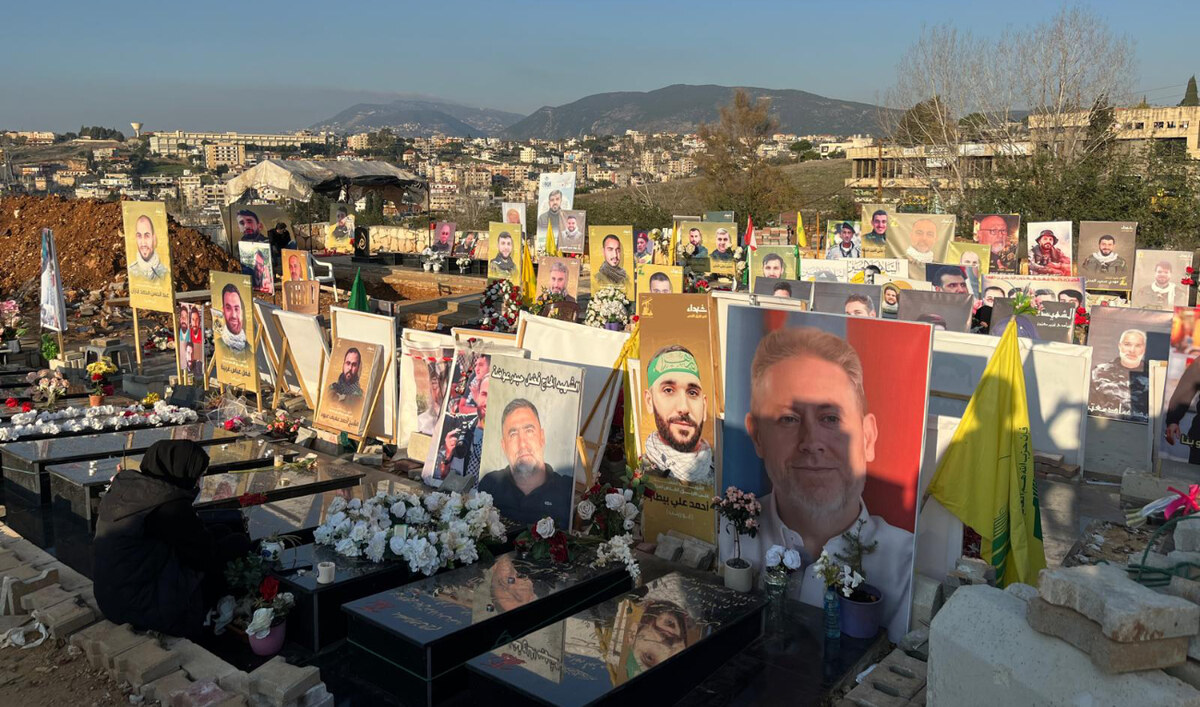
From Oct. 8, 2023, until the ceasefire on Nov. 26, 2024, Israeli strikes killed at least 3,960 people across Lebanon and injured more than 16,500. (AN photo by Tarek Ali Ahmad)
Hyperinflation, a banking sector collapse, and widespread unemployment have left millions struggling to afford basic necessities.
Decades of corruption and political deadlock have further exacerbated the crisis. The previous government’s failure to implement crucial economic reforms blocked access to international financial aid, leaving the country reliant on dwindling foreign reserves.
Compounding these issues, the recent war between Hezbollah and Israel inflicted additional devastation. From Oct. 8, 2023, until the ceasefire on Nov. 26, 2024, Israeli strikes killed at least 3,960 people across Lebanon and injured more than 16,500.
Much of the Shiite-majority south lies in ruins, adding to the hardship.
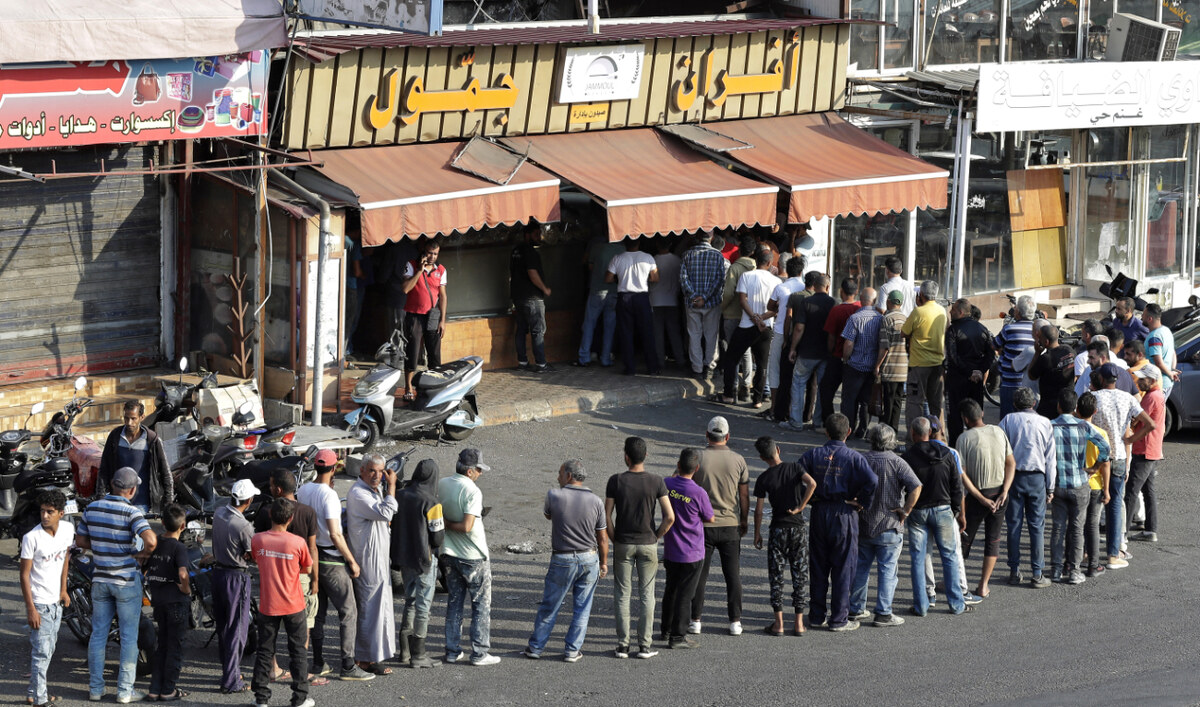
Hyperinflation, a banking sector collapse, and widespread unemployment have left millions in Lebanon struggling to afford basic necessities. (AFP)
Against this backdrop, Salam has outlined a vision of “rescue, reform, and rebuild.”
His priorities include stabilizing the economy, securing international aid, and tackling corruption. His proposed technocratic government aims to regain international trust and unlock much-needed funds from institutions like the International Monetary Fund.
Reconstruction is another urgent priority. Southern Lebanon, where infrastructure suffered extensive damage, requires swift rebuilding. Traditionally, Hezbollah has filled this role through its social programs, but its financial resources have been severely diminished by recent losses.
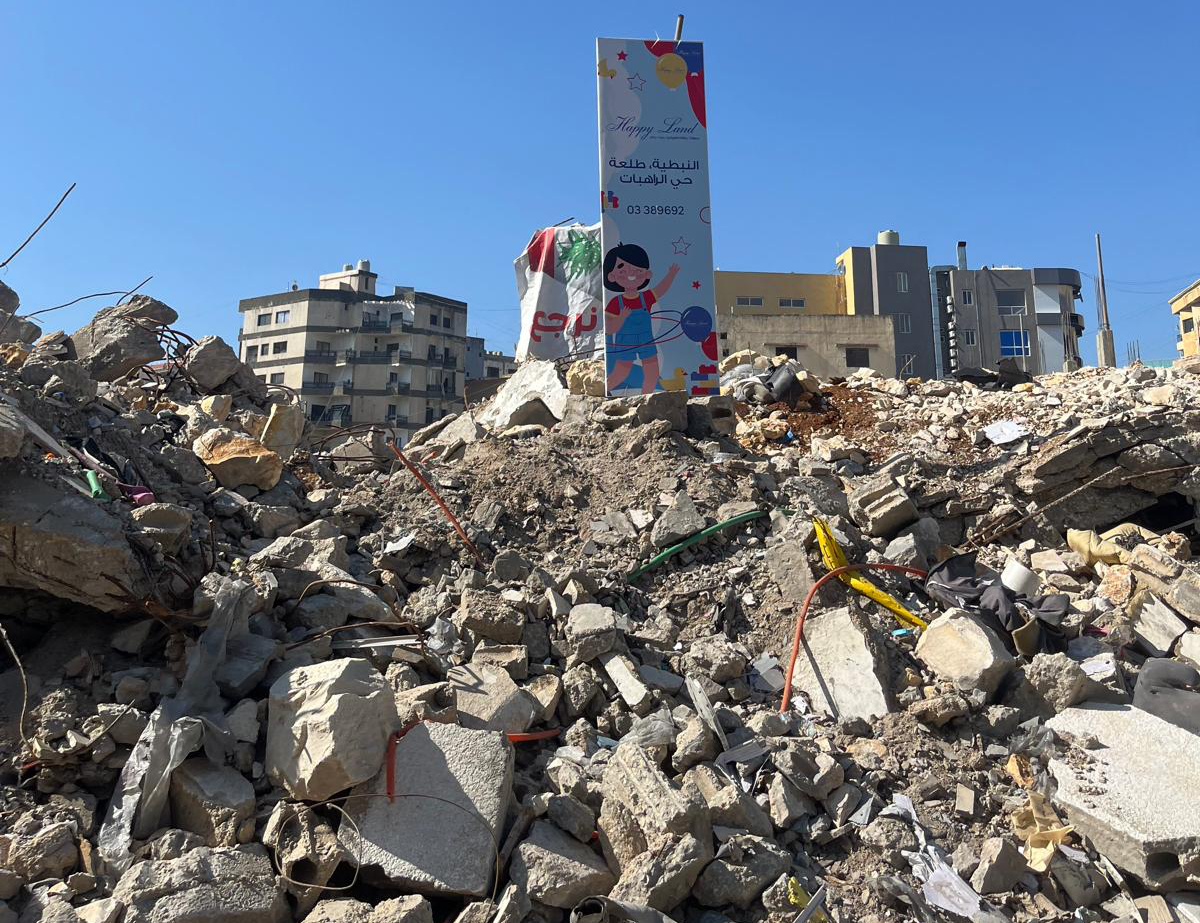
Infrastructure in southern Lebanon suffered extensive damage due to Israeli attacks. (AN photo by Tarek Ali Ahmad)
Salam has pledged to rebuild trust between citizens and the state, as well as between Lebanon and its Arab neighbors and the broader international community. However, his government’s ability to secure external support is uncertain.
The new US administration has signaled it will not back any Lebanese government that includes Hezbollah. Morgan Ortagus, the US deputy special envoy for Middle East peace, warned that allowing Hezbollah to hold significant power would isolate Lebanon and cut off crucial aid.
Similarly, Gulf states have made their assistance conditional on Lebanon forming a government committed to reform.
The US Embassy in Beirut has welcomed the new government, saying “the Lebanese people deserve a government that will rebuild Lebanese state institutions, fight corruption, and implement needed reforms.”
UN chief Antonio Guterres also welcomed the new government, affirming the international body’s commitment to that country’s “territorial integrity, sovereignty and political independence,” a spokesman said Sunday.
“The UN looks forward to working in close partnership with the new government on its priorities, including the consolidation of the cessation of hostilities,” said a statement from spokesman Stephane Dujarric.
Morgan Ortagus, the US deputy special envoy for Middle East peace, warned that allowing Hezbollah to hold significant power would isolate Lebanon and cut off crucial aid. (AFP)
Hezbollah and Amal both secured ministries in the new government. However, Hezbollah no longer has veto power or what is referred to as a “blocking third” in the government after its Christian allies, the Free Patriotic Movement, were excluded.
Nevertheless, its ally, the Amal Movement, retains influence. Yassine Jaber, a close associate of Amal leader and parliamentary speaker Nabih Berri, has been appointed finance minister — one of the most powerful positions in the cabinet.
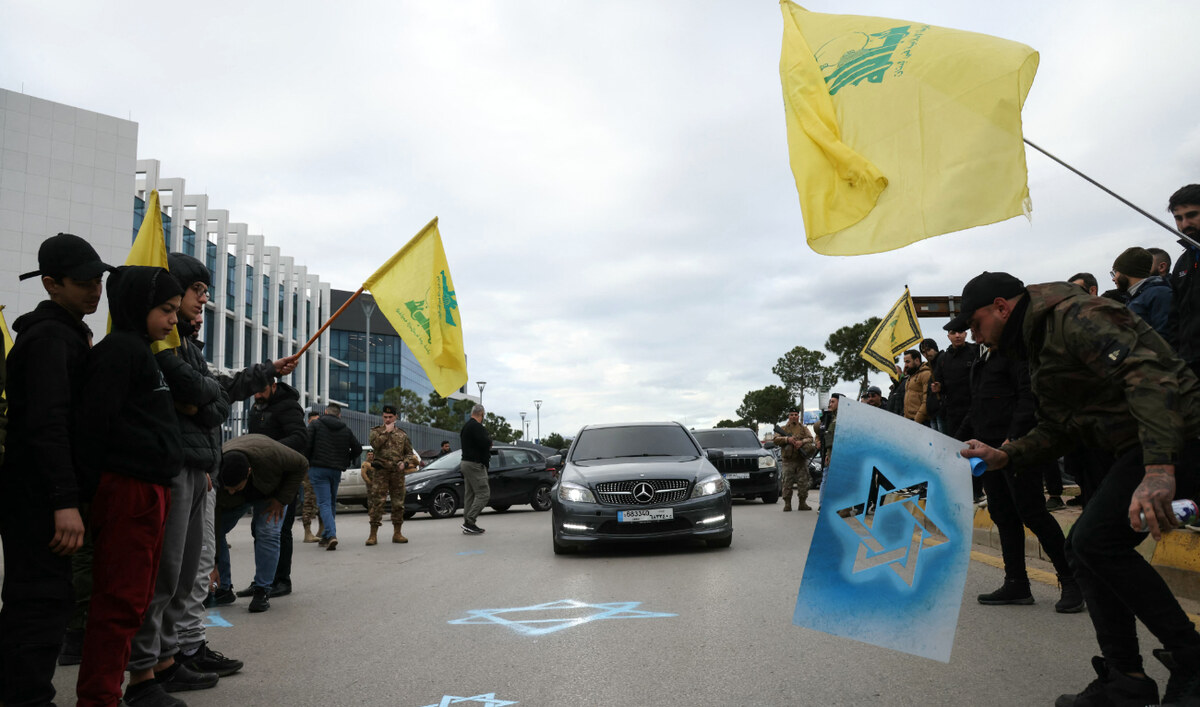
Despite Hezbollah’s weakened state, its presence remains visible. In Shiite-majority areas, yellow Hezbollah flags flutter alongside Amal banners, marking political territory.
“In Lebanon, territorial marking through flags is a well-established political reality,” Ralph Baydoun, director of InflueAnswers, a strategic communications firm in Beirut, told Arab News.
“The country is demographically divided along sectarian lines, and this division is visibly reinforced by political parties using flags and symbols to mark their areas of influence.”
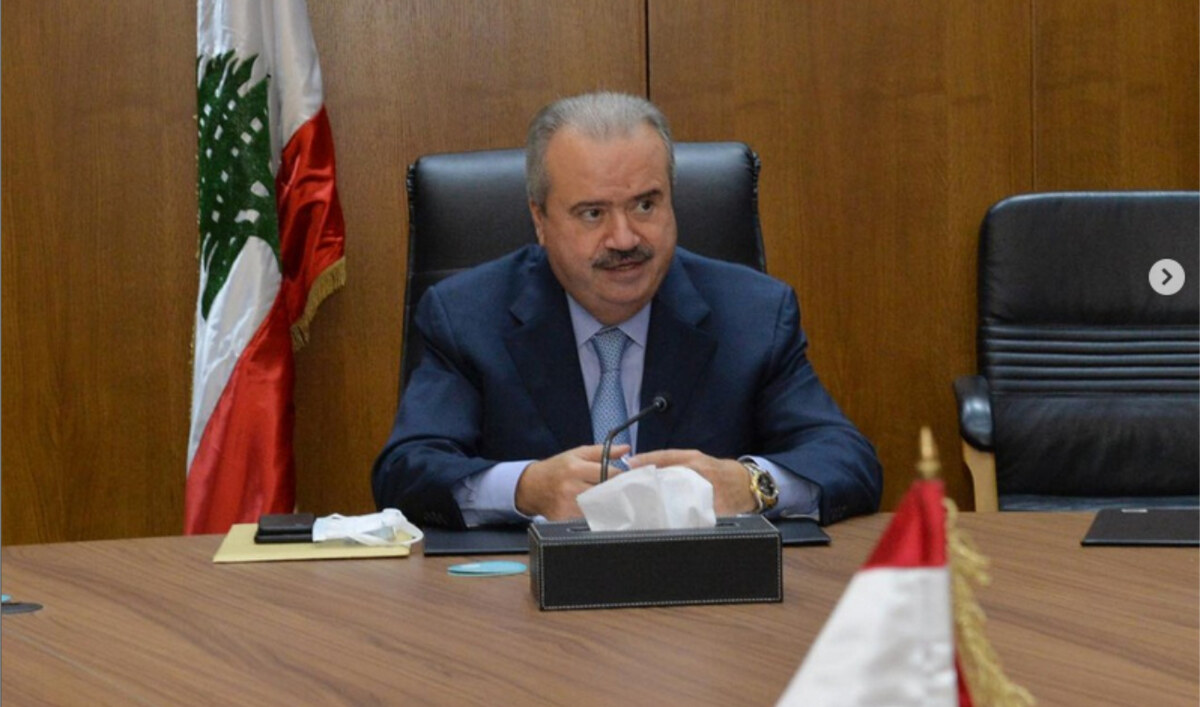
While Hezbollah no longer has veto power, its ally, the Amal Movement, retains influence with Yassine Jaber, a close associate of Amal leader and parliamentary speaker Nabih Berri, being appointed finance minister. (Supplied)
Rebuilding will be particularly challenging in southern Lebanon, which bore the brunt of Israeli strikes. In Nabatiyeh, one of the region’s largest cities, much of the center lies in ruins.
In one area visited by Arab News, a sign hanging over piles of rubble reads: “Because of the destruction, Wehbe Clothes has moved to the main street.” The state of the original store suggests it was obliterated beyond recognition.
Despite the devastation, some businesses have reopened.
“What can we do? We need to get back to work in order to live,” said Ali, a shopkeeper in Nabatiyeh who only gave his first name, fearing reprisals from Hezbollah.
“Those who could fix their stores and clean the damage have done so, but as you can see, there’s no one helping us. Not the government, not Hezbollah, no one.”
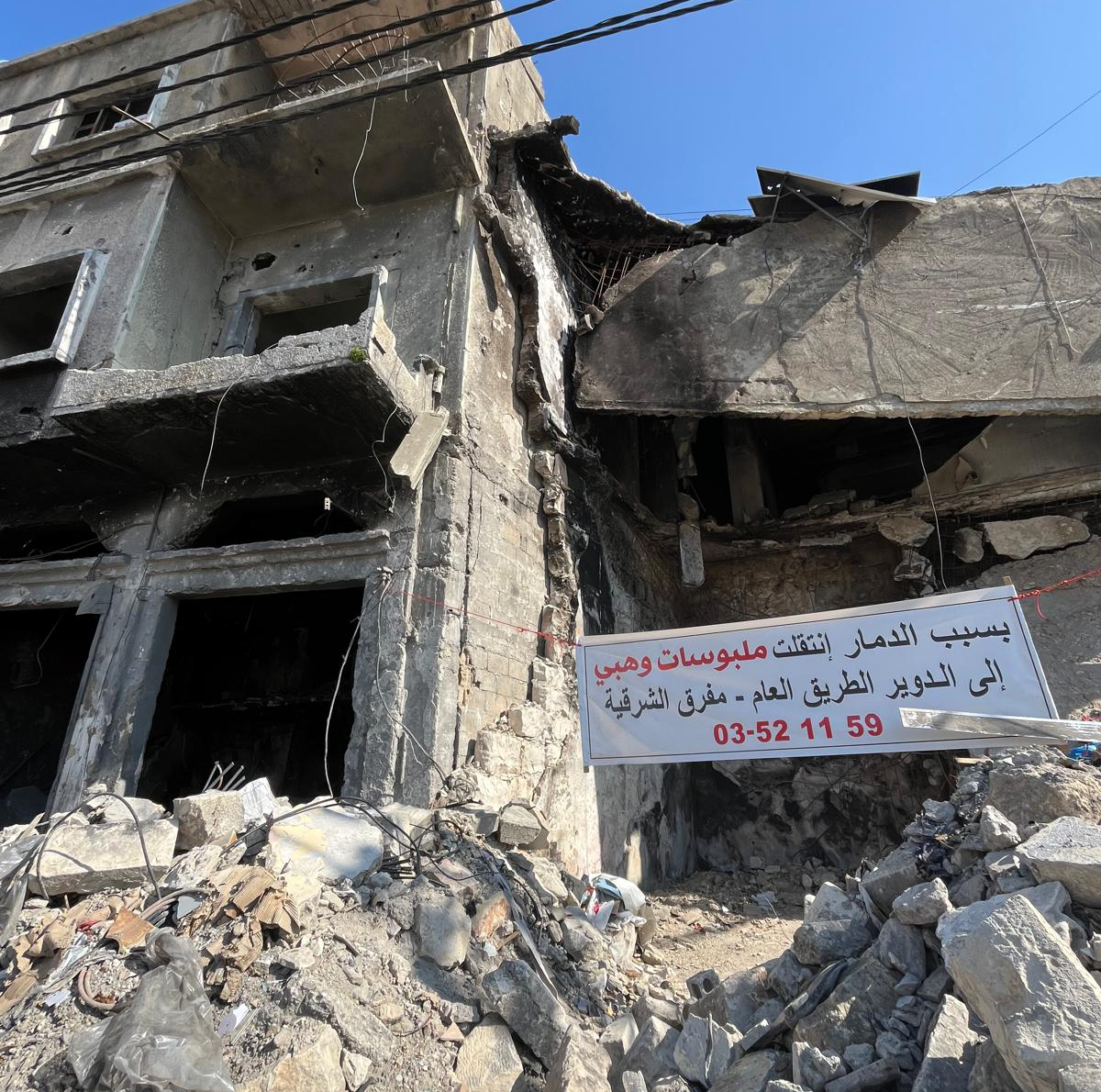
A sign hanging over piles of rubble in Nabatiyeh reads: “Because of the destruction, Wehbe Clothes has moved to the main street.” The state of the original store suggests it was obliterated beyond recognition. (AN photo by Tarek Ali Ahmad)
Lebanon’s political stalemate had left the country without a president for over two years until the election of Joseph Aoun on Jan. 9.
That Salam was able to form a government in under a month is a notable achievement in a nation where such processes often drag on for months.
He named his 24 ministers on Feb. 8 after consulting with leaders in a country where power has long been shared according to sectarian quotas. The new government will now prepare for parliamentary elections scheduled for next year.
“I hope this will be a government of reform and salvation,” Salam said in a televised statement moments after his cabinet was announced.
His government will strive to “restore trust between citizens and the state, between Lebanon and its Arab surrounding, and between Lebanon and the international community,” he said.

Salam named his 24 ministers on Feb. 8 after consulting with leaders in a country where power has long been shared according to sectarian quotas. The new government will now prepare for parliamentary elections scheduled for next year. (AFP)
Salam’s cabinet includes five women, among them Tamara Elzein, secretary-general of Lebanon’s National Council for Scientific Research, and Haneen Sayed, a World Bank specialist. Other key appointments include Ghassan Salame, a former UN envoy to Libya.
Before the new government can exercise its powers, however, it needs to draft a ministerial statement that must be submitted to a confidence vote in parliament within 30 days.
For years, Hezbollah dominated Lebanese politics, but suffered major blows in the war with Israel, including the loss of its leader, Hassan Nasrallah, in a September airstrike on Beirut.
The conflict erupted on Oct. 8, 2023, when Hezbollah launched cross-border attacks in support of Hamas, which was battling Israel in Gaza. Israel responded with heavy air and artillery strikes, escalating into a full-scale conflict along the Lebanon-Israel border.
The war also drew in regional actors, with Iran supplying Hezbollah and the US supporting Israel. Diplomatic efforts by the UN, France, and Arab states sought de-escalation, while Hezbollah’s military losses, including key commanders, weakened its strategic position.
A ceasefire was finally brokered on Nov. 26, as Hezbollah, under pressure from Lebanon’s economic crisis and international mediators, agreed to halt attacks in exchange for Israeli de-escalation.

The conflict left Hezbollah militarily weakened, Israel more secure on its northern front, and Lebanon struggling with reconstruction. It also reshaped regional power dynamics, with Hezbollah’s influence reduced.
Another shock came with the Dec. 8 ousting of Bashar Assad in the Syrian Arab Republic, which had long served as Hezbollah’s weapons conduit from Iran.
The weakening of Hezbollah allowed former army chief Aoun, seen as Washington’s preferred candidate, to be elected president, paving the way for Salam’s appointment as prime minister.
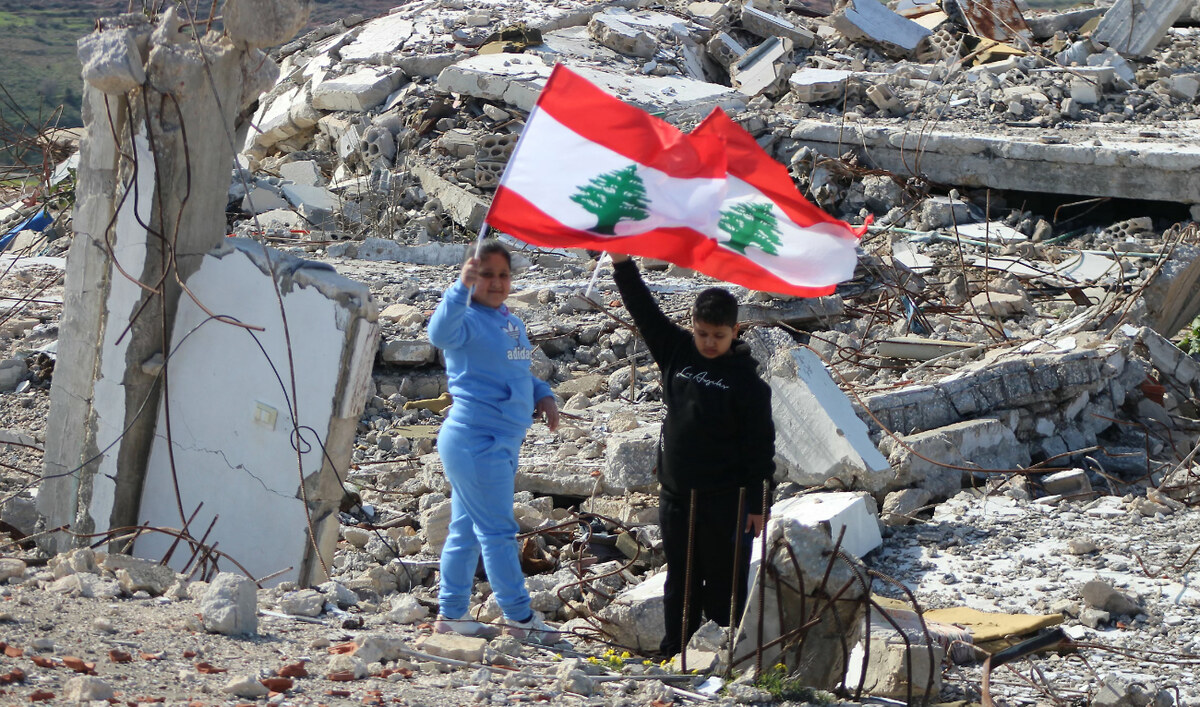
For many Lebanese, the future remains uncertain. Their cautious optimism reflects a deep yearning for stability but also an awareness of the obstacles ahead. (AFP)
As Lebanon watches anxiously, its new government faces an uphill battle — implementing long-overdue reforms, overseeing the fragile ceasefire with Israel, and rebuilding a shattered nation.
For many Lebanese, the future remains uncertain. Their cautious optimism reflects a deep yearning for stability but also an awareness of the obstacles ahead.
Whether this government can deliver on its promises remains to be seen, but the stakes for Lebanon’s future could not be higher.


