- Initiative supports a range of industries, including agriculture, food, and fertilizers
- Deal expected to create new investment opportunities, enhance industrial competitiveness, and strengthen local supply chains
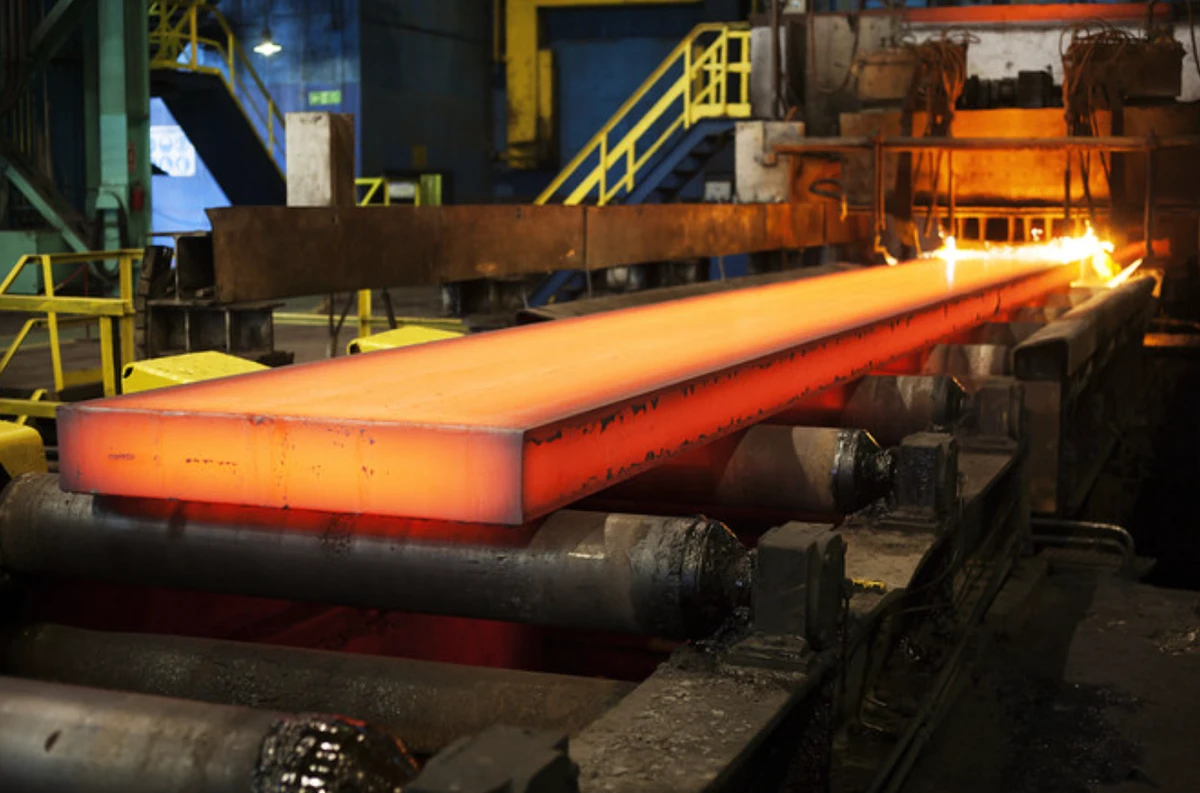
JEDDAH: Qatar Steel and Bahrain Steel have signed a $1.27 billion agreement to supply 5 million tonnes of the product over five years, aiming to enhance industrial cooperation and strengthen the sector in the region.
Qatar’s Ministry of Commerce and Industry announced the agreement on Feb. 9, saying that the deal falls within the framework of the Industrial Partnership for Sustainable Economic Development, which promotes private-sector collaboration across member states.
The initiative supports a range of industries, including agriculture, food, and fertilizers. It also extends to pharmaceuticals, textiles, and chemicals. Additionally, the program benefits sectors such as plastics, manufacturing, and minerals.
The Gulf’s steel industry has experienced significant expansion, driven by major investments in infrastructure and industrial projects.
The ministry highlighted that this strategic partnership would provide Qatar Steel with a stable supply of essential raw materials, enhancing production efficiency and supporting sustainable economic growth.
The agreement is expected to create new investment opportunities, enhance industrial competitiveness in Qatar and Bahrain, and strengthen local supply chains.
By reducing reliance on imported raw materials, the deal aims to boost economic resilience and market stability across the region.
Bahrain Steel, an iron ore pelletizing company located in the heart of the Arabian Gulf, operates twin plants with a combined capacity of 12 million tonnes of pellets. The company represents a $3.5 billion investment and plays a central role in the region’s steel industry, according to its website.
Producing a range of pellets for both direct reduction and blast furnace steelmaking, Bahrain Steel sources raw materials via its own port terminal. Three-quarters of its finished products are exported.
Established in 1974 as the Arabian Gulf’s first integrated steel plant, Qatar Steel began commercial production in 1978 and has been a wholly owned subsidiary of Industries Qatar since 2003.
Headquartered in Messaieed Industrial City, south of Doha, it also operates a UAE-based subsidiary, Qatar Steel Company FZE.