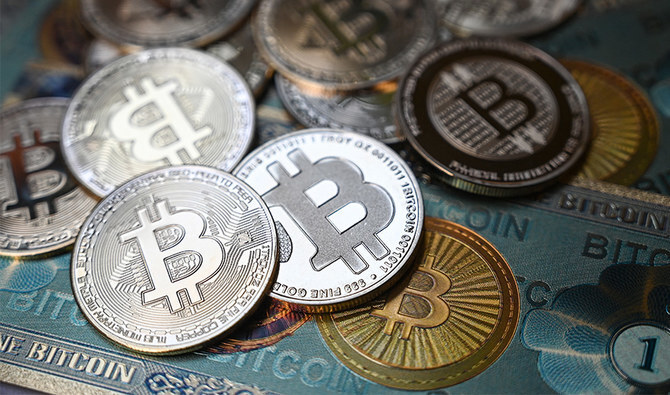
India is reviewing its stance on cryptocurrencies due to shifting attitudes toward the virtual asset in other countries, a senior government official told Reuters on Sunday.
The review, which follows crypto-friendly policy announcements by US President Donald Trump, could further delay publication of a discussion paper on cryptocurrencies that was due for release in September 2024.
“More than one or two jurisdictions have changed their stance toward cryptocurrency in terms of the usage, their acceptance, where do they see the importance of crypto assets. In that stride, we are having a look at the discussion paper once again,” India’s Economic Affairs Secretary Ajay Seth said in an interview.
Seth said that because such assets “don’t believe in borders,” India’s stance cannot be unilateral.
He did not specifically mention the United States, where Trump last week ordered the creation of a cryptocurrency working group tasked with proposing new digital asset regulations and exploring the creation of a national cryptocurrency stockpile, making good on his promise to overhaul US crypto policy.
Indians have poured money into cryptocurrencies in recent years despite the country’s tough regulatory stance and steep trading taxes.
India’s Financial Intelligence Unit (FIU) issued show-cause notices to nine offshore cryptocurrency exchanges in December 2023 for non-compliance with local rules.
Binance, the world’s biggest crypto exchange, was hit with a fine of 188.2 million rupees ($2.25 million) in June 2024, a month after it registered with the FIU in an effort to resume operations in the country.
Last year, India’s market watchdog recommended that several regulators oversee trade in cryptocurrencies, in a sign that at least some authorities in the country are open to allowing the use of private virtual assets.
That position stood in contrast to statements by the nation’s central bank, which has maintained that private digital currencies represent a macroeconomic risk.

India reviewing crypto position due to global changes, senior official says
https://arab.news/947na
India reviewing crypto position due to global changes, senior official says
- The review follows crypto-friendly policy announcements by US President Donald Trump
- It may further delay publication of a discussion paper that was due for release in Sept. 2024
From round fruits to lucky charms: How Filipinos invite prosperous New Year
- Lights are lit, doors and windows open to allow good spirits in
- Sticky rice dishes are served to keep family sticking together
MANILA: With the dining table set with symbolic foods, a bit of noise and rituals to invite good luck, Filipinos are ready to welcome the New Year, carefully observing every tradition and superstition to bring prosperity.
Media noche or the midnight dinner on New Year’s Eve is central to the celebration. Besides traditional meats, there will be sticky rice dishes to keep the family sticking together, and pancit or long rice noodles to represent long life.
There should also be 13 round fruits prepared specifically for the occasion, with 12 representing each month of the year, and the 13th adding extra luck. Because they are round like coins, they are believed to invite abundance, wealth and prosperity.
“We cook bilo-bilo (sticky rice balls) with coconut milk and palitaw (sweet rice cakes). It’s something we simply grew up with,” said Cel Reyes from Mabini in Batangas province, south of Manila.
“It’s sticky, so it symbolizes togetherness, and it is also round. Anything that’s round is prepared also as a symbol of prosperity.”
In Malabon, a coastal city in the northern part of Metro Manila, Priam Nepomuceno’s 86-year-old mother-in-law sets unhulled rice on the table.
“Because of the gold color, it’s believed to bring luck and abundance,” he said. “Grapes are also hung on the door. They’re not meant to be eaten and are kept hanging for the whole year as a symbol of prosperity.”
Some people also jump when the clock strikes 12, believing it will help them grow taller.
In many households, all lights are lit before midnight, with doors and windows open to allow good spirits to enter, while noise from firecrackers and party horns keeps the bad ones at bay.
“By nature, Filipinos are superstitious. We believe in good luck, deities. We give in to faith and luck, and it’s tied to deep spirituality,” said Juanita Galang-Trinidad, an 80-year-old editor from Bulacan province north of Manila.
“We also put 12 coins in varying amounts in our pockets and wear polka dot clothing. Rice, cereal, and salt containers should be full.”
New Year’s celebrations, like Christmas, bring families together, but with extra traditions for good luck. Beyond the midnight feast and keeping round objects on the table and at hand, Filipinos try to pay off debts to avoid financial trouble in the coming year.
On New Year’s Eve, they also avoid serving chicken, as chickens are believed to scratch backward when they eat, symbolically scratching away good fortune.
“We hold on to our traditions despite these growing changes, modernity, in our environment,” Trinidad said.
“We still hold on to our traditions and customs because they identify us as a people, as Filipinos.”


