



KAKUL, Pakistan: On a chilly day earlier this month, hundreds of cadets marched together in formation, fists clenched, eyes looking straight ahead as they performed an early morning drill.
It was a usual day of training at the Pakistan Military Academy in Kakul in northwestern Pakistan, where approximately 2,000 gentlemen cadets daily sweat through the rudiments of leadership in preparation for commission as officers in the army. Among them are 132 foreign cadets, of whom 49 are Palestinians.
The PMA was created less than two months after Pakistan gained independence from British colonial rule in 1947. Since then, over 1600 cadets from 31 foreign nations, including Saudi Arabia, Jordan, Iraq, Palestine, Qatar and Bahrain, have trained at the facility.
One current student is 21 years old Imaduddin, a resident of Nablus in the occupied West Bank, who arrived at the PMA in December 2022, enrolling first in an English language course to hone his communication skills and then getting into the 152 PMA Long Course, known for its tough physical fitness and military training programs.
“I have seen the tough training of the PMA that makes me proud and makes me confident to be fit enough to transform from a civilian to a military personality,” said Imaduddin, who is studying military and academic subjects as well as taking part in physical fitness and other training drills.
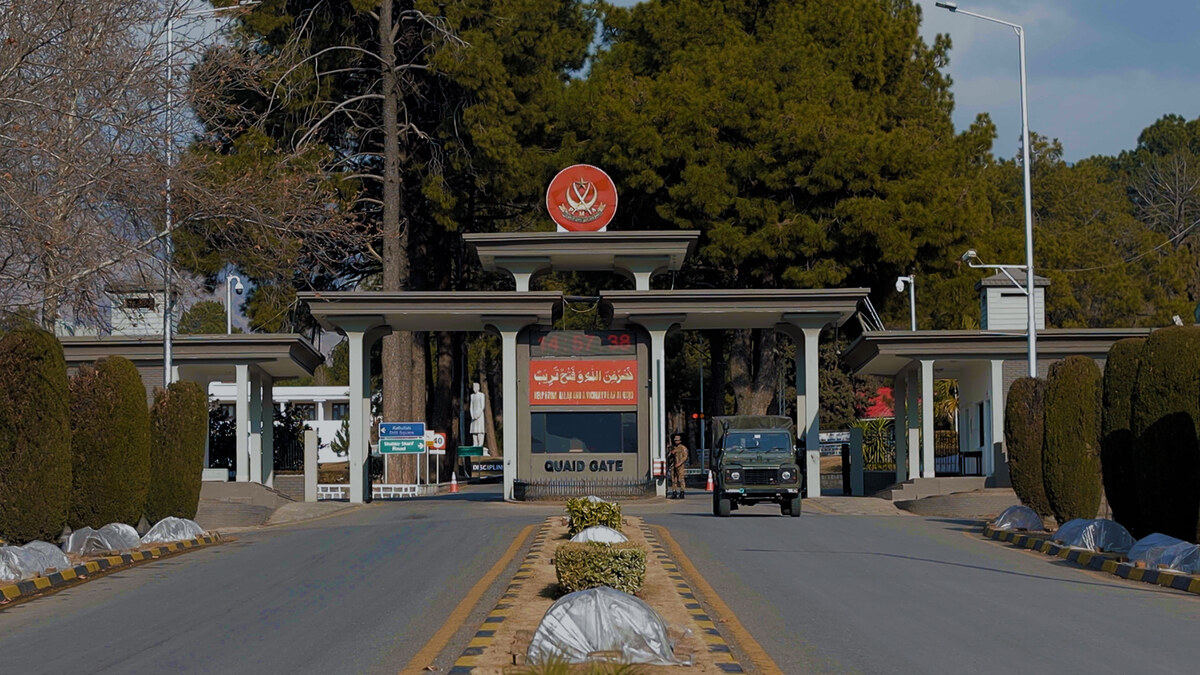
The picture taken on January 21, 2025, shows the entrance of Pakistan Military Academy in Kakul in northwestern Pakistan. (AN photo)
According to the military’s media wing, the Inter-Services Public Relations (ISPR), cadets at PMA are given academic training focused on military strategy, leadership principles, and modern warfare techniques, along with rigorous physical training to ensure peak fitness and endurance. They are also trained in drill for discipline and precision, and in weapon handling to operate various arms proficiently.
“The most important [characteristic] I have learned here is discipline,” Imaduddin said.
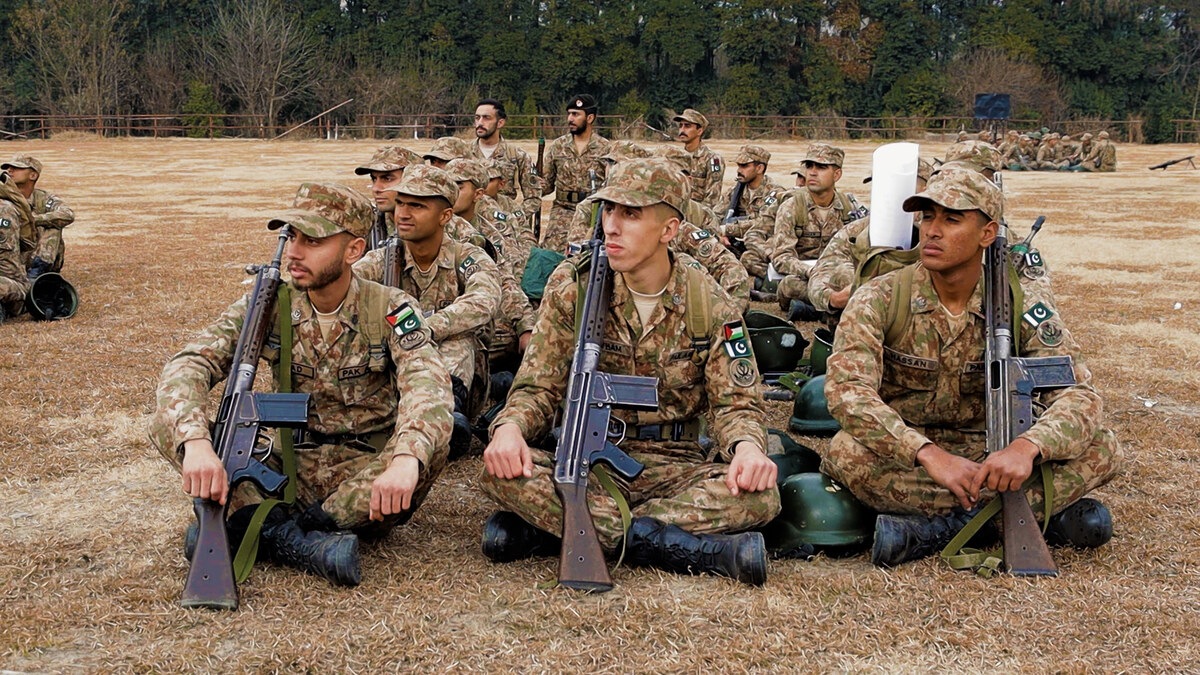
Palestinian cadets receive a briefing at the Pakistan Military Academy in Kakul in northwestern Pakistan on January 22, 2025. (AN photo)
Another Palestinian cadet, Muhammad Eid, 21, said the training he received from Pakistani instructors at the PMA was “transformative,” enabling him to enhance his physical fitness and discipline.
“After passing out, we will share our experience and knowledge with Palestinian troops back home,” Eid told Arab News.
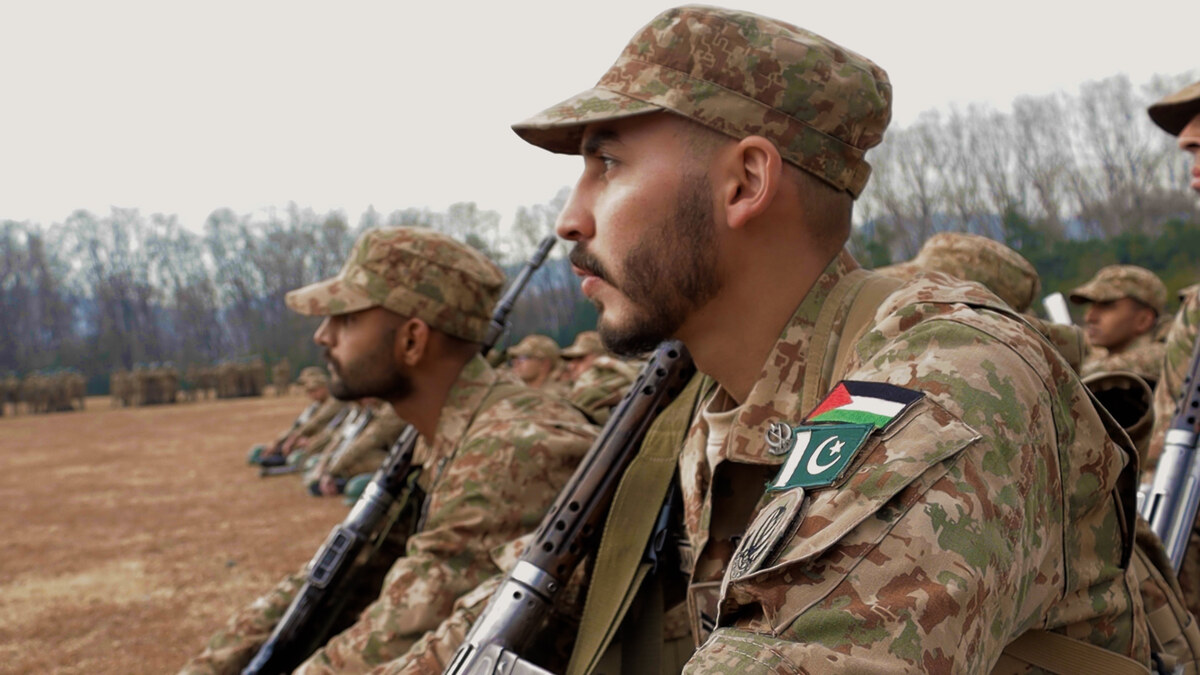
Muhammad Eid attend a military briefing at the Pakistan Military Academy in Kakul in northwestern Pakistan on January 22, 2025. (AN photo)
The 15-month Gaza war which began in October 2023 until a ceasefire was signed between Israel and Hamas earlier this month has fueled passion in the hearts of many of the Palestinian cadets that Arab News spoke to.
“Of course, we feel this pressure [of the Palestine situation] in our hearts and our minds,” Imaduddin said. “And this should give us the motivation to work hard and do everything and learn a lot for my country and my family and my people over there in Palestine.”
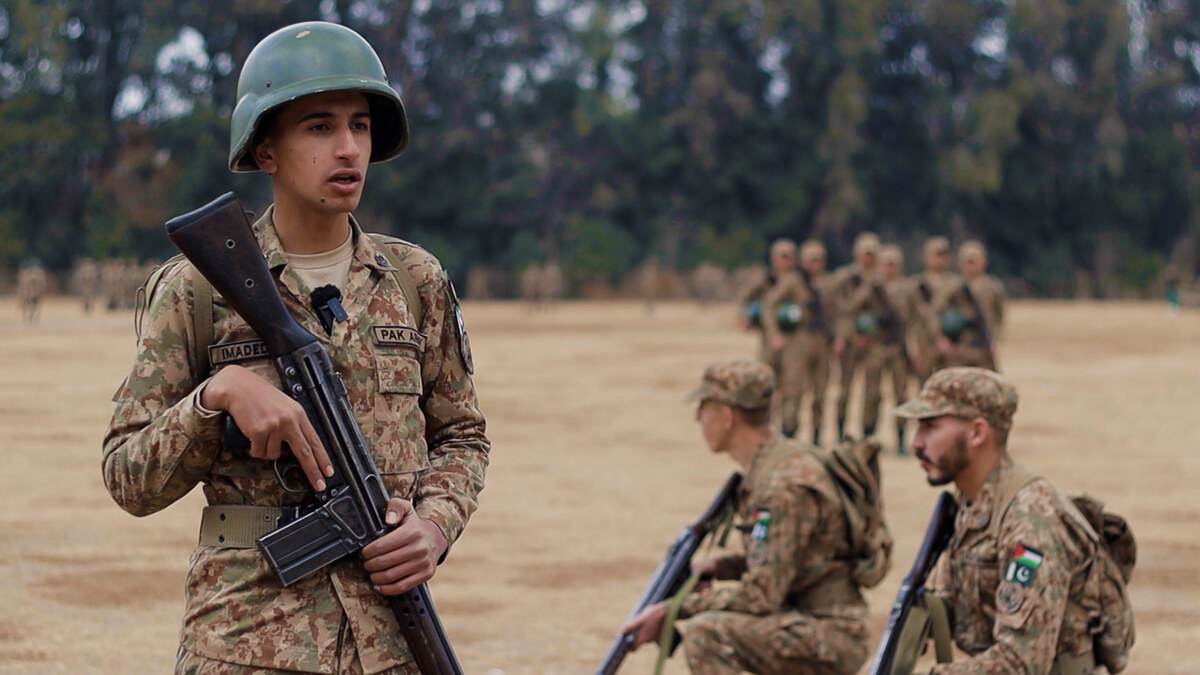
Palestinian cadet Imaduddin talks to Arab News at the Pakistan Military Academy in Kakul in northwestern Pakistan on January 22, 2025. (AN photo)
Twenty-year-old Palestinian cadet Muhammad Yahya Arafat also told Arab News he aimed to use the “very good training” he was receiving at the PMA to help his Palestinian compatriots back home.
“I am motivated to go, to go back to my country to protect my people, because I get very good training,” he said. “I know how to protect my people and serve my country now.”
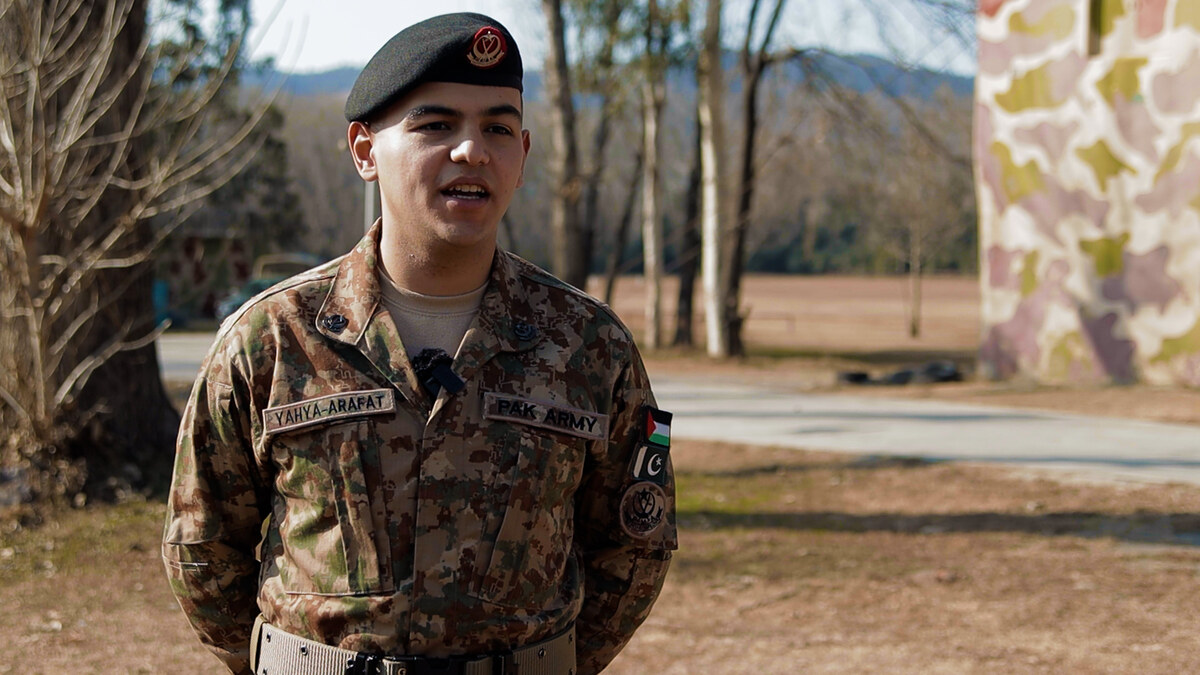
Palestinian cadet Muhammad Yahya Arafat talks to Arab News at the Pakistan Military Academy in Kakul in northwestern Pakistan on January 22, 2025. (AN photo)
Major Mohammad Saad Khan, a platoon commander at PMA, said Palestinian cadets were fully integrated into platoons alongside Pakistani peers, with both taking part in rigorous physical conditioning and advanced academic programs together.
He praised Palestinian cadets for training with “all-out efforts” and forming close bonds with their Pakistani peers.
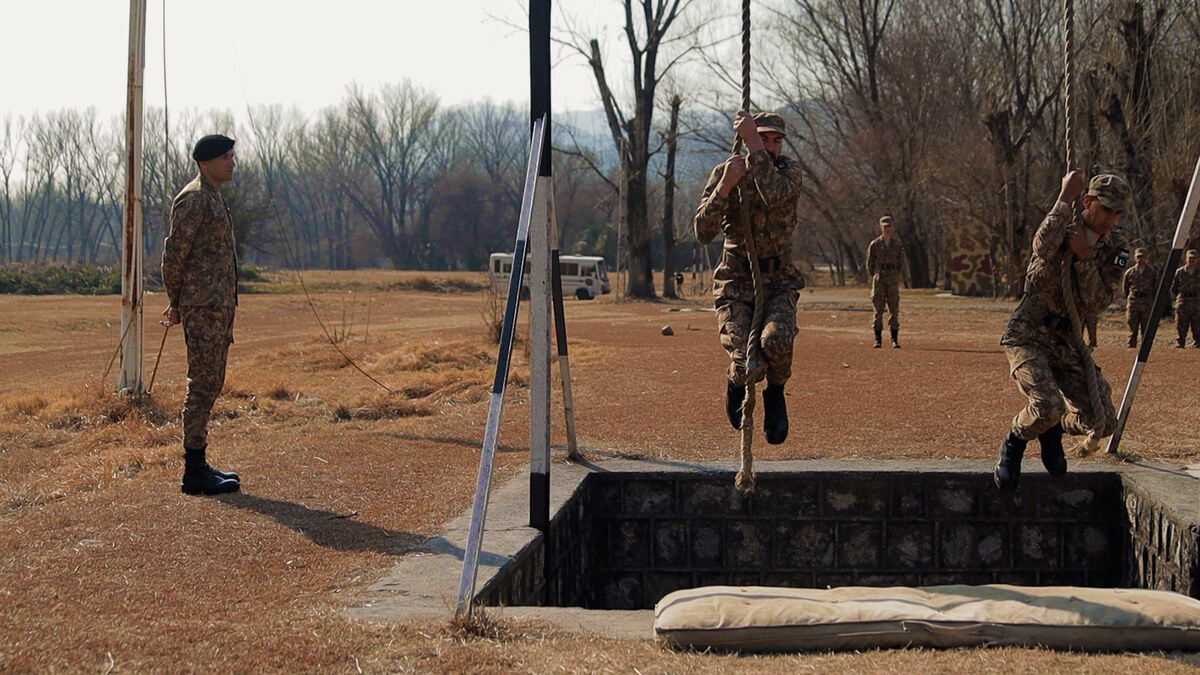
Cadets take part in a military exercise at the Pakistan Military Academy in Kakul in northwestern Pakistan on January 22, 2025. (AN photo)
“They are highly motivated, and the enthusiasm that they have, the drive that they have is really encouraging,” Khan said.
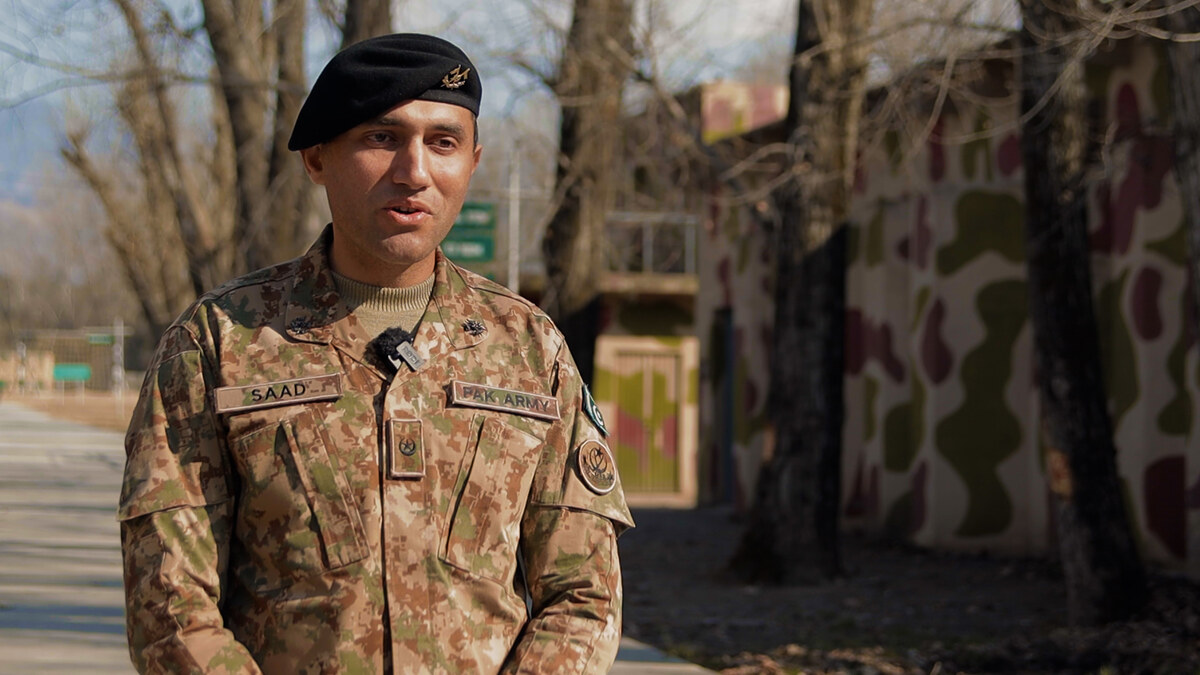
Major Mohammad Saad Khan, a platoon commander, speaks to Arab News at the Pakistan Military Academy in Kakul in northwestern Pakistan on January 22, 2025. (AN photo)
“The spark in their training, the spark that is there in their eyes, it truly shows how committed they are to the service of their nation, how much they are worried about the sovereignty of their nation.”


