ISLAMABAD: Pakistan’s jailed former prime minister Imran Khan and his wife Bushra Bibi appealed against their convictions for graft on Monday, his lawyer said.
Khan, 72, has been held in custody since August 2023 charged in around 200 cases that he claims are politically motivated.
The former cricketing star was sentenced to 14 years in jail and his wife to seven this month in the latest case to be brought against them.
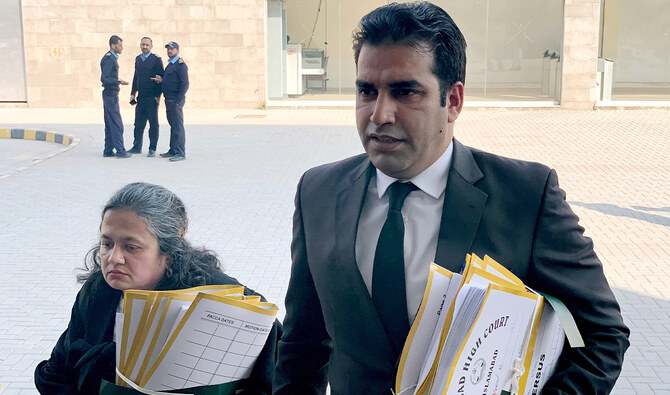
“We have filed appeals today and in the next few days it will go through clerical processes and then it will be fixed for a hearing,” Khan’s lawyer Khalid Yousaf Chaudhry told AFP outside Islamabad High Court.
Khan has been convicted four times since his arrest, with two convictions overturned and the sentences in the other two cases suspended.
A special graft court found the pair guilty of “corruption and corrupt practices” over a welfare foundation they established together called the Al-Qadir Trust.
The court hearing for the case was postponed three times and his Pakistan Tehreek-e-Insaf (PTI) party said earlier it was being used to pressure him into cutting a deal with the government to step back from politics.
Khan alleged before the conviction that he had been “indirectly approached” about the possibility of house arrest at his sprawling home on Islamabad’s outskirts.
Bibi, a faith healer who married Khan shortly before he was elected in 2018, is being held at the same jail as her husband in the garrison city of Rawalpindi, close to the capital Islamabad.
Khan’s popularity continues to undermine a shaky coalition government that kept PTI from power in elections last year.
Even from behind bars, Khan has fired off statements through his legal team railing against the government and promising to fight his battles through the courts.
Sometimes violent protests have paralyzed Islamabad in recent months and the party has announced further rallies next month to mark one year since elections that were marred by allegations of rigging.
Khan called off talks with the government last week aimed at easing political tensions.
Ousted from power by a no-confidence vote in 2022, the former cricket star has since launched an unprecedented campaign in which he has openly criticized Pakistan’s powerful generals.
Analysts say the military’s leaders are Pakistan’s kingmakers, although the generals deny interfering in politics.
A UN panel of experts found last year that Khan’s detention “had no legal basis and appears to have been intended to disqualify him from running for political office.”
Khan was barred from standing in last February’s election and his PTI party was hamstrung by a widespread crackdown.
PTI won more seats than any other party but a coalition considered more pliable to the military’s influence shut them out of power.


![]()

Ex-PM Khan, wife appeal Pakistan graft convictions
Short Url
https://arab.news/vcsg4
Ex-PM Khan, wife appeal Pakistan graft convictions
- Khan has been convicted four times since his arrest in Aug. 2023, with two convictions overturned and the sentences in the other two cases suspended
- A graft court this month found Khan and his wife guilty of ‘corruption’ over a welfare foundation they established together called the Al-Qadir Trust
Latest updates


© 2026 SAUDI RESEARCH & PUBLISHING COMPANY, All Rights Reserved And subject to Terms of Use Agreement.