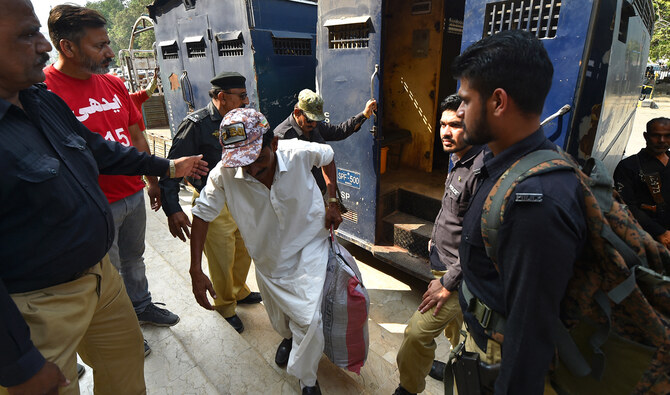
KARACHI: An Indian fisherman, who had been detained in Pakistan for nearly three years, died of cardiac arrest at Karachi’s Malir Prison this week, a jail official confirmed on Saturday, with the death renewing calls from human rights advocates in both countries for greater empathy and speedy procedures for the release of fisher folk who unintentionally cross maritime borders.
Indian and Pakistani fishermen are routinely detained by both maritime agencies for allegedly entering each other’s territorial waters. The poorly defined maritime boundary in the Arabian Sea, coupled with the limited navigational capabilities of many fishing boats, frequently leads to unintentional crossings.
Malir Prison, where 55-year-old Indian fisherman Babu Kana died on Thursday, has faced scrutiny in recent years over the deaths of several detainees due to health complications. In 2023 alone, two Indian fishermen, Balo Jetha and Soma Deva, died as their health deteriorated during incarceration.
Kana was detained by Pakistani authorities in 2022 after his boat strayed into Pakistani waters. Despite completing his sentence the same year, he remained imprisoned due to procedural delays in the deportation process, according to Malir Prison Superintendent Arshad Shah.
“His health suddenly deteriorated on Thursday and he was taken to the prison hospital where he passed away,” Shah told Arab News, adding that the inmate had no medical history.
The prison official said the Indian detainee had been granted consular access, but he couldn’t be deported due to a “delay in his verification from the Indian side.”
A spokesperson for the Indian high commission in Pakistan did not respond to Arab News’ request for comment as to what led to the significant delay that hindered Kana’s chances to reunite with his family.
More than 200 Indian fishermen have been languishing in Malir prison and a large number of them have completed their sentences, while 30 fishermen are suffering from different diseases, according to the jail superintendent.
“We are providing them best available treatment, but those who have completed their term should be taken back to their country,” Shah added.
Jatin Desai, an Indian rights activist who campaigns for the release of fishermen from both countries, said Kana was one of 217 Indian fishermen currently incarcerated in Pakistani prisons.
“According to our records, 216 Indian fishermen are still languishing in Pakistani jails, while 81 Pakistani fishermen are imprisoned in India,” Desai told Arab News over the phone from Mumbai.
He said the 2008 Agreement on Consular Access mandates the release and repatriation of people within one month of confirming their nationality and sentence completion.
“In Babu’s case, his consular access was granted, and his identity was confirmed,” Desai said, urging both countries to adhere to the agreement and expedite the release of all detainees.
Faisal Edhi, chairman of Pakistan’s Edhi Foundation charity, said delays in the repatriation of detained fishermen often extend even after a fisherman’s death.
“We have received the deceased’s body, but it will take over two weeks to send it back to India,” Edhi said, highlighting the plight of the families of these fishermen.
Edhi, who has been part of repatriation of nearly 400 Indian fishermen in recent years, urged both countries to immediately confirm the identities of fishermen and send them back to their countries.
Khizar Qazi, vice-chair of the Human Rights Commission of Pakistan (HRCP), said most of these fishermen come from poor families and, in most cases, they are the sole breadwinners of their families.
“Fishermen from both sides endure harsh jail conditions that severely impact their mental health,” Qazi told Arab News.
“Upon arrest, they should be promptly handed over. If necessary, they should be detained for a short term, and upon release, their boats should be returned – a practice we have yet to witness from either side.”


![]()

Death of Indian fisherman in Pakistan prison renews calls for release of detainees
Short Url
https://arab.news/8a9dj
Death of Indian fisherman in Pakistan prison renews calls for release of detainees
- Babu Kana, 55, died of cardiac arrest in Karachi’s Malir prison this week, according to a Pakistani jail official
- Of over 200 Indian prisoners, majority have completed their terms and 30 are suffering from various diseases
Latest updates




Recommended


© 2026 SAUDI RESEARCH & PUBLISHING COMPANY, All Rights Reserved And subject to Terms of Use Agreement.