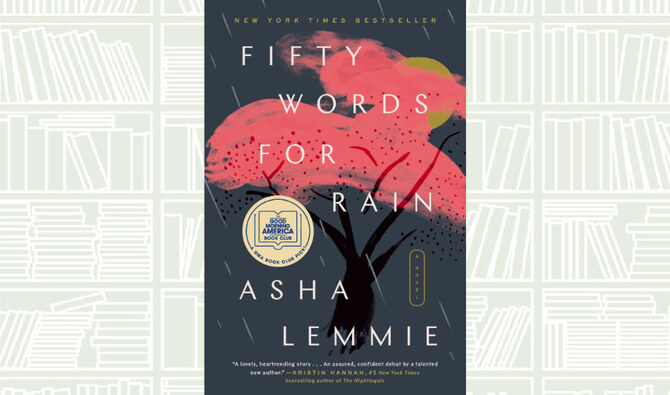
Published in 2020, “Fifty Words for Rain” by Asha Lemmie is an invitation to explore identity, belonging, and the complexity of family dynamics in 1940s Japan.
The story takes the reader to Kyoto in Japan almost 100 years ago, following the Second World War, where Nori, a biracial girl born to a Japanese mother and an American father, struggles to find her place in a society that avoids her existence.
When Nori meets her half-brother, Akira, she forms a strong bond with him and makes him an ally despite her grandparents’ opposition to their friendship as they believe it irrevocably changes the lives they were always meant to lead.
One of the story’s strong points is its exploration of the intersection of race and gender, with Nori embodying the struggles faced by those on the margins of society.
Her journey is filled with challenges, including abuse and social rejection, yet it also shows her resilience as she hopes for a brighter future.
The author highlights the impact of the Second World War on the lives of the Japanese, creating a narrative that, while strongly rooted in a specific place and time, is universally relatable.
The story has received backlash from Japanese audiences as some consider it disrespectful to Japanese culture and history, especially where it describes Japan during the 1940s.
Overall, “Fifty Words for Rain” invites readers to reflect on themes of family relations, loss, and identity and serves as a powerful reminder of the enduring strength of the human spirit.


![]()

What We Are Reading Today: ‘Fifty Words for Rain’
Short Url
https://arab.news/rx8tz
What We Are Reading Today: ‘Fifty Words for Rain’


Latest updates







© 2026 SAUDI RESEARCH & PUBLISHING COMPANY, All Rights Reserved And subject to Terms of Use Agreement.