DAMASCUS: Families of missing persons have urged Syria’s new authorities to protect evidence of crimes under president Bashar Assad, after outrage over volunteers painting over etchings on walls inside a former jail.
Thousands poured out of prisons after Islamist-led rebels toppled Assad last month, but many Syrians are still looking for traces of tens of thousands of relatives and friends who went missing.
In the chaos following his ouster, with journalists and families rushing to detention centers, official documents have been left unprotected, with some even looted or destroyed.
Rights groups have stressed the urgent need to preserve “evidence of atrocities,” which includes writings left by detainees on the walls of their cells.
But a video appearing to show young volunteers paint over such writings at an unnamed detention center with white paint and adorning its walls with the new Syrian flag, the depiction of a fireplace or broken chains has circulated on social media in recent days, angering activists.
“Painting the walls of security branches is disgraceful, especially before the start of new investigations into human rights violations” there, said Diab Serriya, a co-founder of Association of Detainees and Missing Persons of Saydnaya Prison (ADMSP).
It is “an attempt to destroy the signs of torture or enforced disappearance and hampers efforts to... gather evidence,” he said.
Jomana Hasan Shtiwy, a Syrian held in three different facilities under Assad, often changing cells, said the writings on the walls held invaluable information.
“On the walls are names and telephone numbers to contact relatives and inform them about the fate of their children,” she said on Facebook.
In each new cell, “we would write a memory so that those who followed could remember us,” she said.
A petition appeared on Tuesday calling for the new Syrian authorities to better protect evidence, and give investigating the fate of those forcibly disappeared under Assad “the highest priority.”
It slammed what it called “the insensitive treatment of the sanctity” of former detention centers.
“Some have gone as far as to paint cells, obscuring their features, which for us represents... a great wronging of detainees,” said signatories, including ADMSP.
The president of the International Committee for the Red Cross said last week determining the fate of those who went missing during Syria’s civil war would be a “huge challenge.”
Mirjana Spoljaric said the ICRC was following 43,000 cases, but that was probably just a fraction of the missing.
The Syrian Observatory for Human Rights, a Britain-based war monitor, says more than 100,000 people have died in detention from torture or dire health conditions across Syria since 2011.


![]()
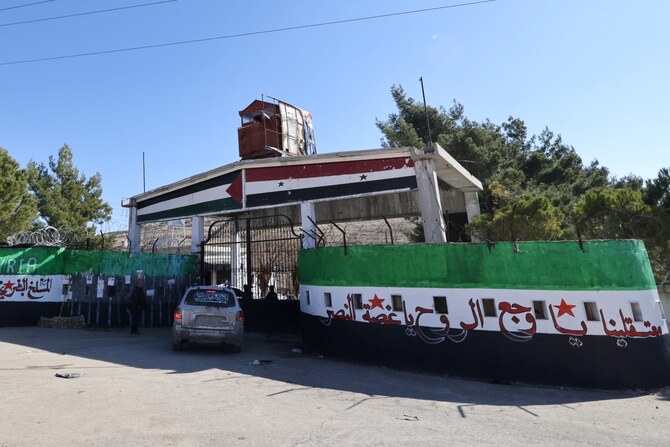
Syrians in uproar after volunteers paint over prison walls

Short Url
https://arab.news/j8kka
Syrians in uproar after volunteers paint over prison walls


Latest updates


© 2026 SAUDI RESEARCH & PUBLISHING COMPANY, All Rights Reserved And subject to Terms of Use Agreement.