


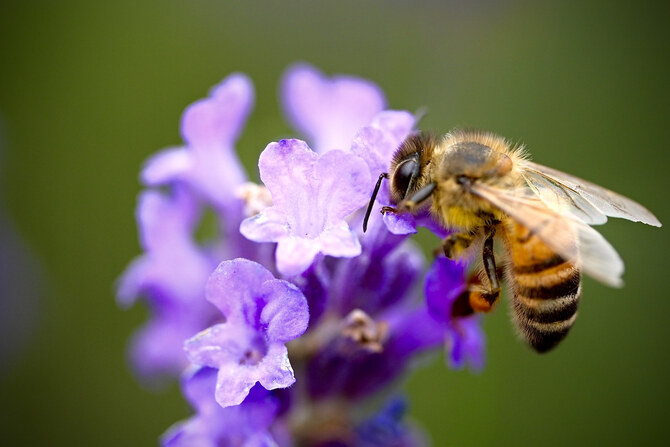


RIYADH: Beyond the manufacture of honey, honeybees are also guardians of biodiversity and strong ecosystems. As a keystone species, they support plant diversity by pollinating wildflowers and provide a welcome boost to agricultural productivity.
Although small in size, without these precious insects, cascading effects could destabilize entire food chains and habitats for countless organisms.
Recognizing their importance, Saudi Arabia has undertaken active conservation efforts, demonstrating the Kingdom’s commitment to sustainable beekeeping and the protection of these industrious insects.

Together with other pollinators such as birds and bats, bees are vital to global agriculture, contributing to 35 percent of the world’s crop production by pollinating 87 of 115 leading food crops, according to the Food and Agriculture Organization.
Honeybees help to maintain plant diversity by pollinating a wide range of species, preventing any single plant from dominating. This balance is crucial for ecosystem resilience, enabling them to better withstand environmental challenges such as climate change and invasive species.
Wildflowers, which rely heavily on honeybees for reproduction, play a key role in this balance. These flowers provide food and shelter for birds, insects and small mammals, creating a ripple effect that supports a diverse array of species throughout the ecosystem.
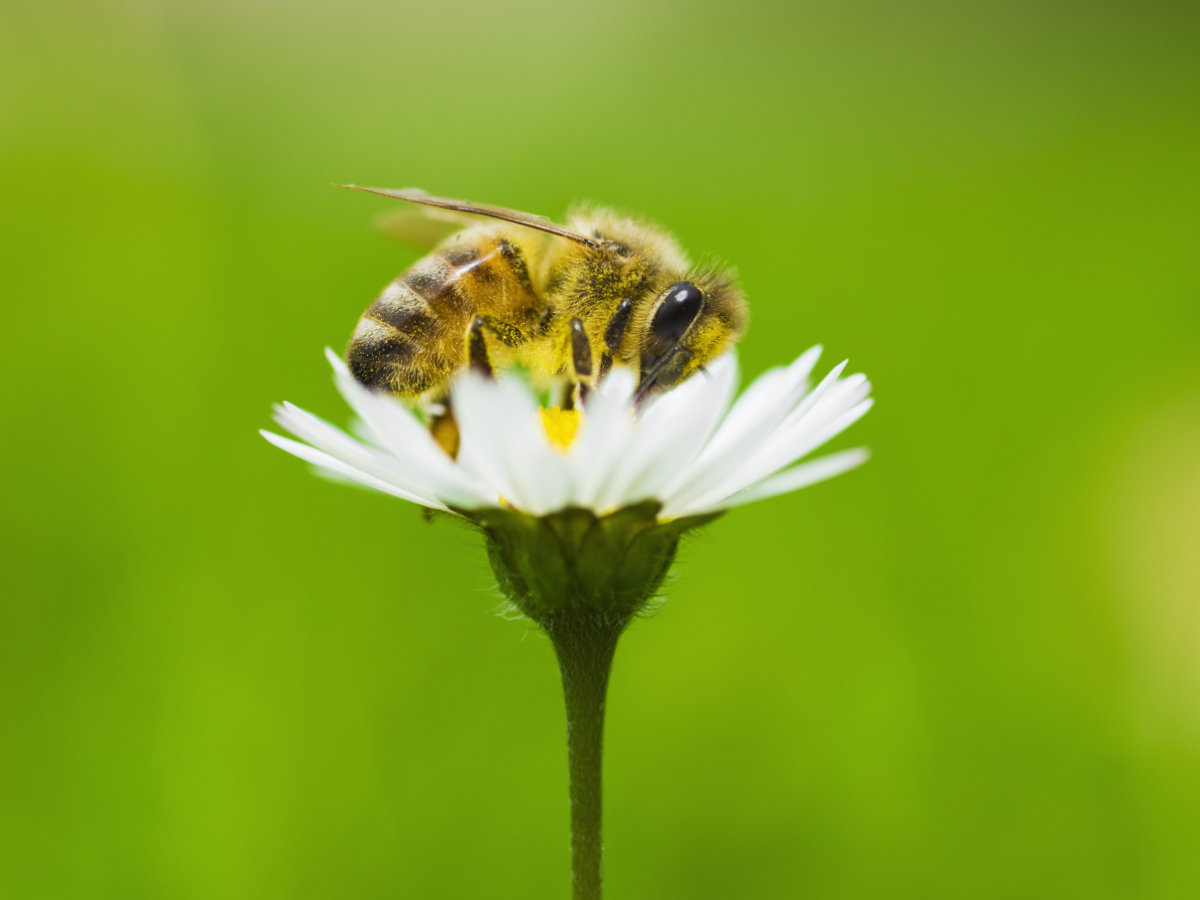
Honeybees help to maintain plant diversity by pollinating a wide range of species, preventing any single plant from dominating. (SPA file)
In Saudi Arabia, the Imam Turki bin Abdullah Royal Reserve hosts 25,737 beehives across 256 sites, fostering honeybee populations in a thriving and protected environment.
“The reserve provides a naturally protected environment rich in flowering plants, which serve as a primary source of nectar and pollen,” Abdulmajeed Al-Dhaban, a spokesperson for the reserve’s development authority, told Arab News.
“This ideal ecosystem enables bees to produce large quantities of high-quality honey, as well as other hive products like beeswax and royal jelly, which hold significant nutritional and economic value.”
Opinion
This section contains relevant reference points, placed in (Opinion field)
Thanks in part to the bees’ services, the reserve plays a vital role in enhancing the Kingdom’s food security.
“In addition to honey production, the reserve’s diverse ecosystem sustains natural pollination cycles,” Al-Dhaban said.
“This contributes to the productivity and quality of nearby cultivated crops and aligns with Saudi Arabia’s national efforts to achieve food security and self-sufficiency.”

Noting that pollination has a critical impact on the global food system, Al-Dhaban said bees are among the most efficient agents for transferring pollen between plants.
“This process not only enhances seed quality and density but also boosts agricultural crop production in terms of both quantity and quality,” he said. “Bee activity contributes directly to the production of honey, a valuable food product with significant health and economic benefits.”
Al-Dhaban also emphasized that honeybees are crucial for supporting food security and ensuring the long-term sustainability of natural resources.
This is particularly important as the reserve’s biodiversity creates an ideal environment for key Saudi crops, including acacia, Sidr trees and caper shrubs.
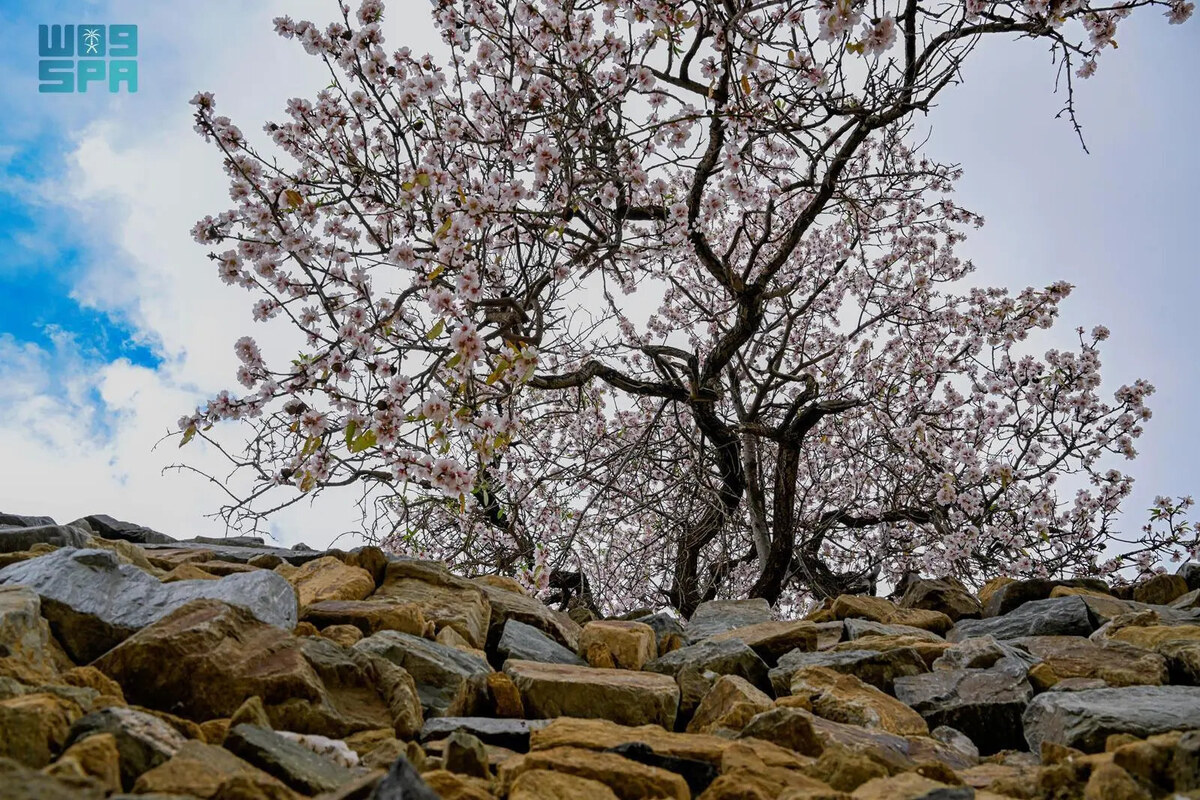
Almond crops are almost entirely dependent on honeybee pollination. (SPA photo)
These plants benefit directly from bee pollination, which also increases the production of high-quality nectar for honey and other hive products. This natural cycle, Al-Dhaban said, supports local food supplies and strengthens the regional economy.
“By reducing reliance on imports and promoting local honey production, the reserve positions Saudi Arabia as a leader in sustainable honey sector development,” he said.
However, honeybee populations face serious threats, including climate change, habitat loss, pesticide use and disease.
To tackle this challenge, Mefleh Al-Jabreen, a beekeeper and owner of mobile apiaries at the Imam Turki bin Abdullah Royal Reserve, highlights the importance of selecting bee breeds that balance honey production and reproduction.
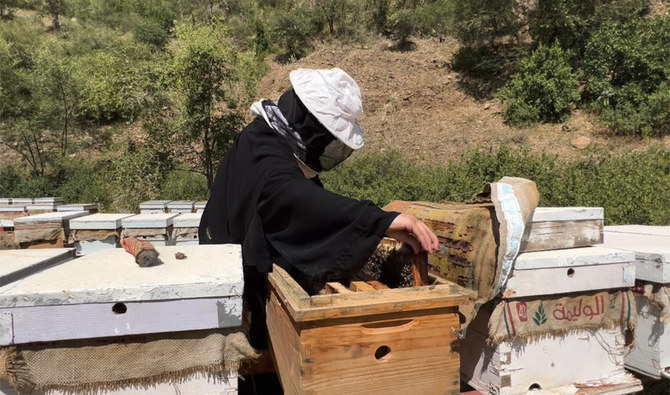
At Saudi Arabia's Imam Turki bin Abdullah Royal Nature Reserve, there are more than 25,730 beehives spread across 256 sites in the reserve, according to the Ministry of Environment, Water and Agriculture. (SPA)
He told Arab News that his bees are transported to pastures rich in wild flowering trees, providing them with abundant nectar and pollen.
“We extract a specific amount of honey during gathering periods, leaving enough for the bees to sustain their hives,” he said.
Al-Jabreen explained that these sustainable practices help to maintain healthy honeybee populations while ensuring high-quality production.
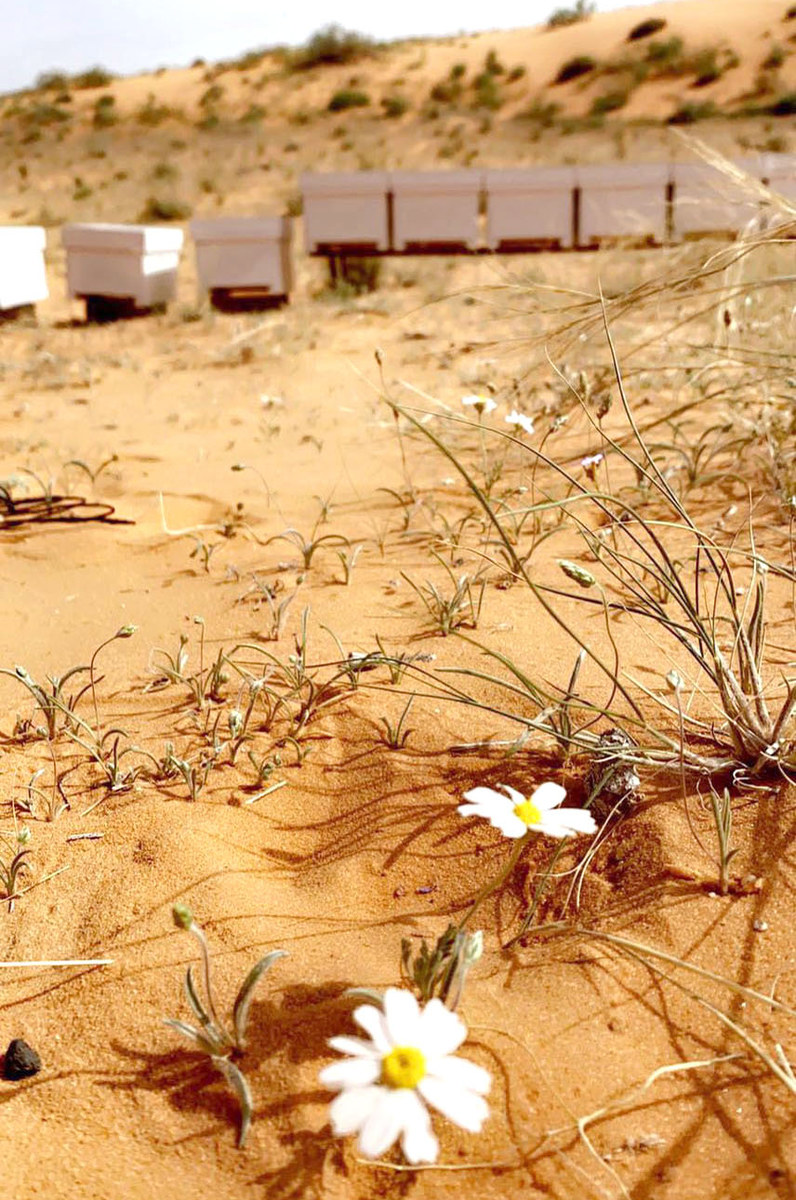
The botanical diversity at Imam Turki bin Abdullah Royal Nature Reserve fosters over seven varieties of wild honey. (SPA)
The reserve’s botanical diversity also supports the production of more than seven varieties of wild honey, many of which have earned international recognition for their quality.
Al-Jabreen also noted that the health of a hive largely depends on the queen bee. “A young, active queen laying eggs abundantly forms the foundation of a stable hive,” he said.
DID YOU KNOW?
• Crops, such as almonds and vanilla, are almost entirely dependent on honeybee pollination.
• Honeybee pollination prevents any single plant species from dominating, maintaining ecosystem balance.
• A young, active queen laying eggs abundantly forms the foundation of a stable hive.
He added that it is also crucial to monitor the number of worker bees and ensure the hive remains free of diseases and parasites, which can threaten colony stability and productivity.
Environmental challenges, such as extreme temperatures and unpredictable weather, pose significant threats to honeybee health, disrupting key hive processes such as honey production and reproduction.
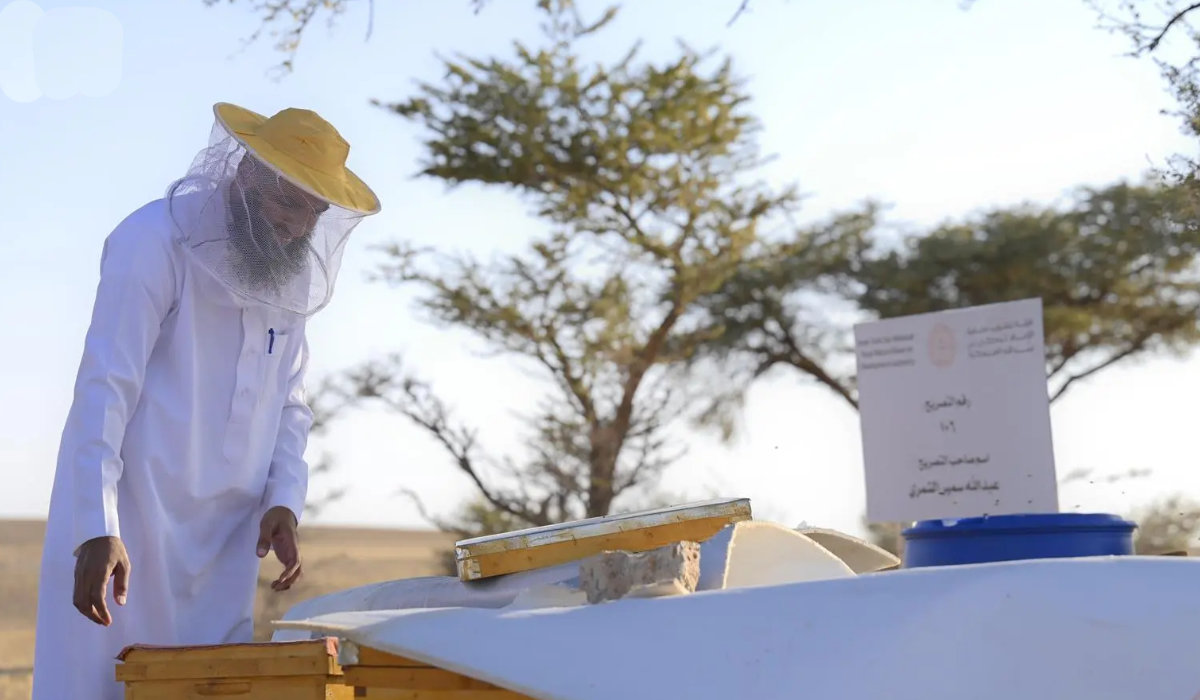
Monitoring the number of worker bees is necessary to ensure the hive remains free of diseases and parasites. (SPA photo)
Al-Jabreen said that several factors must be considered when addressing these challenges: “These strategies include hive insulation, which helps reduce heat stress in extreme temperatures.”
Meanwhile, tree cover and shaded areas protect hives from direct sunlight during hot weather, while relocating hives to coastal regions in winter helps to keep bees active and productive.
“Windbreakers and hive relocation shield honeybees from strong winds and cold climates,” he added.
Al-Jabreen emphasized that plant diversity is essential for the survival of honeybees. “Bees are a vital part of the interconnected ecosystem, and their well-being depends on an abundance of floral and crop resources,” he said.
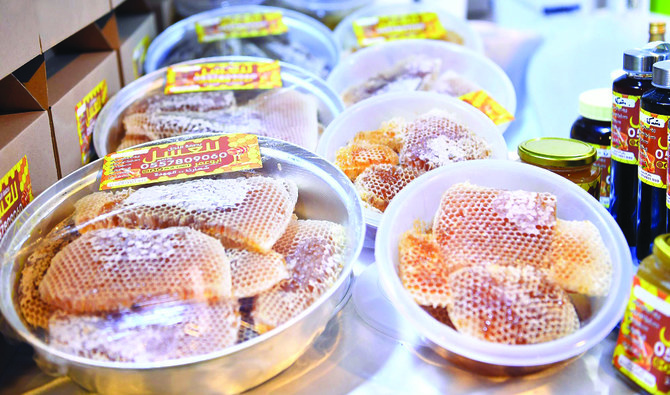
The Ministry of Environment, Water and Agriculture has said the current target is to raise the Kingdom's honey production to 7,500 tonnes annually. (SPA)
Recent innovations in beekeeping are helping to protect honeybee populations and enhance hive productivity. Al-Jabreen highlighted several key advances, such as special pollen-collecting boxes and bee breeds adapted to local climates.
He also hailed the growing collaboration between beekeepers and farmers. Organic farming practices, which avoid harmful chemicals, create safer environments for bees to thrive.
“We work with farmers to coordinate pesticide spraying schedules and relocate hives to safer areas,” Al-Jabreen said.
With growing threats to honeybee populations, governments, researchers and communities must prioritize their protection. Safeguarding these vital pollinators is key to ensuring a sustainable future for ecosystems, agriculture, and global food security.


