

Over 25,000 beehives spread across Saudi royal reserve for honey production season

The authority aims to engage the local community in beekeeping and create job opportunities. (SPA)
Short Url
Updated 30 July 2024
Follow

Over 25,000 beehives spread across Saudi royal reserve for honey production season

  • The authority aims to engage the local community in beekeeping, support the sustainable development of local bee products, encourage innovation, and create job opportunities, boosting farmers’ and beekeepers’ incomes

RIYADH: The Imam Turki bin Abdullah Royal Nature Reserve Development Authority has said that 25,737 beehives spread across 256 sites in the reserve are participating in this year’s honey production season.

The season, which opened at the beginning of July, will close at the end of April 2025, the Saudi Press Agency reported.
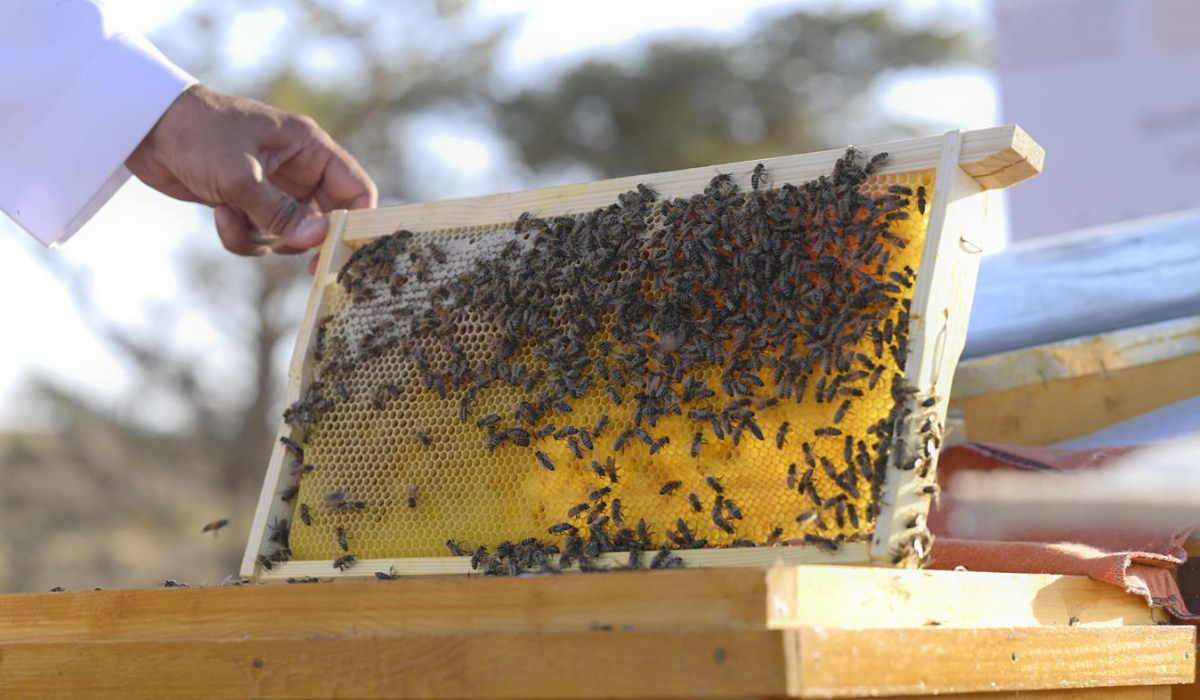


The reserve produces two of the finest types of honey, namely talh and sidr, whose production will continue until the end of September. (SPA)

The authority aims to engage the local community in beekeeping, support the sustainable development of local bee products, encourage innovation, and create job opportunities, boosting farmers’ and beekeepers’ incomes.

Since the launch of the season, the authority has sought to highlight the role bees play in the ecosystem, in plant pollination, and in preserving the biodiversity of the reserve, as well as to demonstrate its commitment to protecting the environment and applying sustainability standards. It has also underscored the importance of honey products as an example of the contribution of natural resources to economic development.
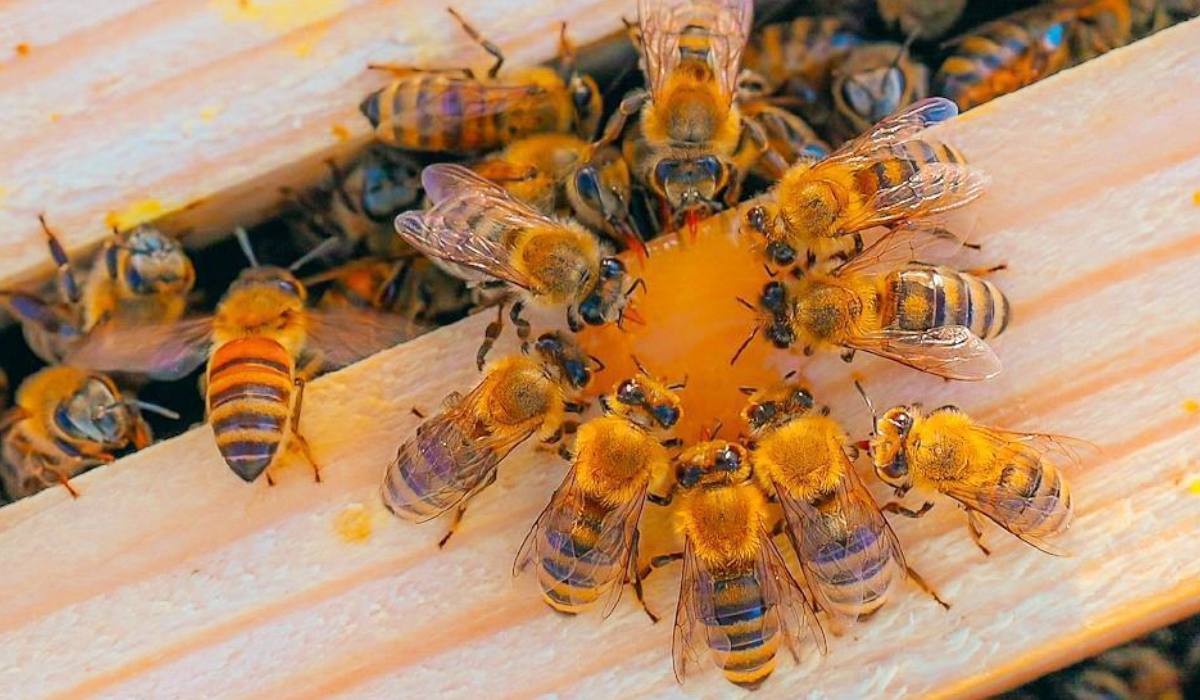


The reserve produces two of the finest types of honey, namely talh and sidr, whose production will continue until the end of September. (SPA)

So far, 109 permits have been issued to beekeepers, according to the authority, which added that the reserve produces two of the finest types of honey, namely talh and sidr, whose production will continue until the end of September. The spring blossom honey production season begins in February and continues until the end of May.

The beekeepers’ season is a distinctive event that contributes to encouraging ecotourism in the reserve by highlighting its picturesque and pristine natural environment, consolidating its position as a unique ecotourism hub.


Saudi defense minister calls on Southern Transitional Council to de-escalate in Yemen

Updated 27 December 2025
Follow

Saudi defense minister calls on Southern Transitional Council to de-escalate in Yemen

  • In a statement addressed “to our people in Yemen” and published on X, Prince Khalid said Saudi Arabia’s intervention came at the request of Yemen’s internationally recognized government

DUBAI: Saudi Defense Minister Prince Khalid bin Salman called on the Southern Transitional Council (STC) to respond to Saudi-Emirati mediation efforts and de-escalate tensions in eastern Yemen, urging the group to withdraw its forces from camps in Hadramout and Al-Mahra and hand them over peacefully to local authorities.
In a statement addressed “to our people in Yemen” and published on X, Prince Khalid said Saudi Arabia’s intervention came at the request of Yemen’s internationally recognized government and aimed to restore state authority across the country through the Decisive Storm and Restoring Hope operations.
He said the Kingdom has consistently treated the southern issue as a “just political cause” that must be resolved through dialogue and consensus, citing the Riyadh Conference and Riyadh Agreement as frameworks that ensured southern participation in governance and rejected the use of force.
The minister warned that recent events in Hadramout and Al-Mahra since early December had caused divisions that undermine the fight against Yemen’s common enemy and harm the southern cause. He praised southern leaders and groups who, he said, have acted responsibly to support de-escalation and preserve social stability.
Prince Khalid reaffirmed that the southern issue would remain part of any comprehensive political settlement in Yemen and stressed that it must be resolved through trust-building and national consensus, not actions that could fuel further conflict.