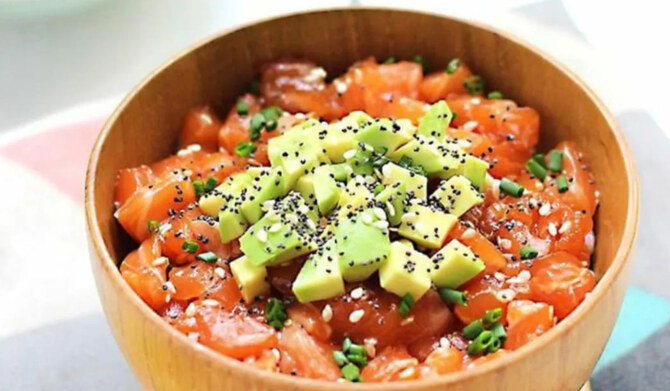
Where We Are Going Today: Ramen Korean & Japanese Restaurant

1 / 4
Photo/Supplied
2 / 4
Photo/Supplied
3 / 4
Photo/Supplied
4 / 4
Photo/Supplied
Short Url
Updated 10 January 2025
Follow

Where We Are Going Today: Ramen Korean & Japanese Restaurant

  • For those seeking a more interactive dining experience, the barbecue sets are a highlight of Korean cuisine, allowing diners to cook their own meals at their table

Nestled in vibrant Riyadh Park, Ramen Korean & Japanese Restaurant offers a delightful fusion of authentic cuisine. As one of the city’s most renowned dining spots, it stands out not just for its location but also for its commitment to high-quality ingredients and diverse menu options.

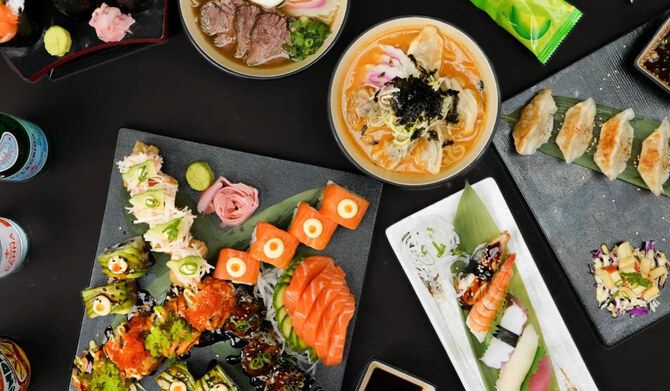
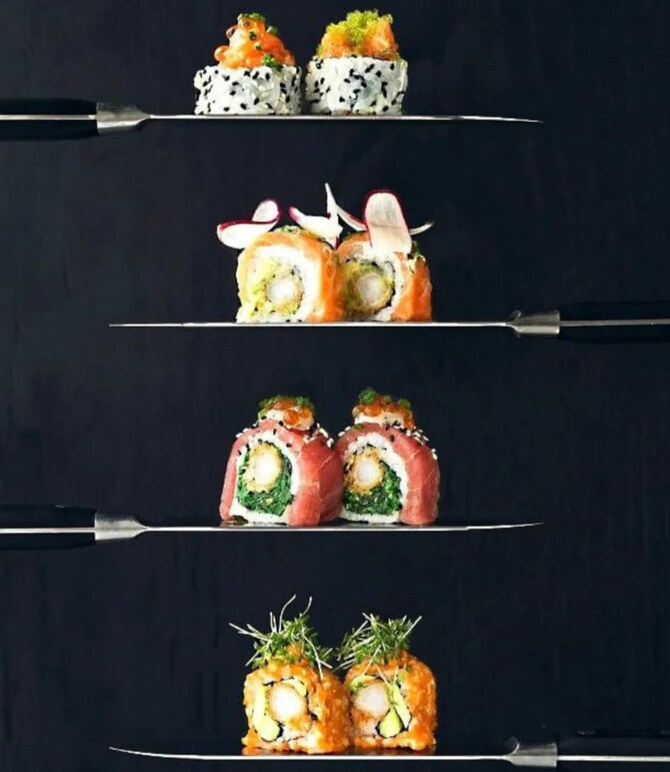
Visitors will enjoy the warm and inviting atmosphere, which perfectly complements the culinary experience. The extensive menu features a wide variety of Asian dishes, from crispy gyoza and fresh edamame to perfectly fried tempura. However, the true star here is ramen, with more than ten varieties catering to different tastes.

You might opt for seafood, with its delightful blend of flavors. The rich chicken stock serves as a comforting base, enhanced by fresh scallions, onions and choy. The addition of kamaboko fish cake, shrimp, and squid creates a harmonious medley, while the perfectly cooked ramen noodles provide a satisfying texture. Each bite is a reminder of the restaurant’s dedication to authentic flavors.

You may also try the jajangmyeon, a classic noodle dish famous for its depth of flavor. The combination of tender beef, sauteed onions and scallions, enveloped in a savory black bean sauce, is simply irresistible.

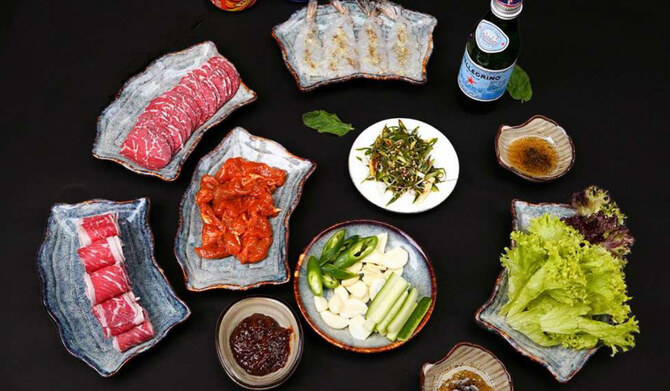
For those seeking a more interactive dining experience, the barbecue sets are a highlight of Korean cuisine, allowing diners to cook their own meals at their table. The set for two, featuring Wagyu ribeye, brisket roll and shrimp, is priced at SR290 ($77); while on the pricier side, this reflects the standard of both the food and experience on offer.

While the prices may be considered steep, the location and exceptional quality justify the cost. For example, the kimchi ramen at SR80 is testament to the restaurant’s dedication to providing a memorable dining experience.

Overall, Ramen Korean & Japanese Restaurant is a must-visit for anyone craving authentic Asian flavors in Riyadh.


Book Review: ‘Padma’s All American’ Cookbook

Updated 19 December 2025
Follow

Book Review: ‘Padma’s All American’ Cookbook

  • For her, the true story of American food proves that immigration is not an outside influence but the foundation of the country’s culinary identity

Closing out 2025 is “Padma’s All American: Tales, Travels, and Recipes from Taste the Nation and Beyond: A Cookbook,” a reminder that in these polarizing times within a seemingly un-united US, breaking bread really might be our only human connection left. Each page serves as a heaping — and healing — helping of hope.

“The book you have before you is a personal one, a record of my last seven years of eating, traveling and exploring. Much of this time was spent in cities and towns all over America, eating my way through our country as I filmed the shows ‘Top Chef’ and ‘Taste the Nation’,” the introduction states.

“Top Chef,” the Emmy, James Beard and Critics Choice Award-winning series, which began in 2006, is what really got Padma Lakshmi on the food map.

“Taste the Nation,” of course, is “a show for immigrants to tell their own stories, as they saw fit, and its success owes everything to the people who invited us into their communities, their homes, and their lives,” she writes.

Working with producer David Shadrack Smith, she began developing a television series that explored American immigration through cuisine, revealing how deeply immigrant food traditions shaped what people considered American today.

She was the consistent face and voice of reason — curious and encouraging to those she encountered.

Lakshmi notes that Americans now buy more salsa and sriracha than ketchup, and dishes like pad Thai, sushi, bubble tea, burritos and bagels are as American as apple pie — which, ironically, contains no ingredients indigenous to North America. Even the apples in the apple pie came from immigrants.

For her, the true story of American food proves that immigration is not an outside influence but the foundation of the country’s culinary identity.

“If I think about what’s really American … it’s the Appalachian ramp salt that I now sprinkle on top of my Indian plum chaat,” she writes.

In this book Lakshmi tells the tale of how her mother arrived in the US as an immigrant from India in 1972 to seek “a better life.”

Her mother, a nurse in New York, worked for two years before Lakshmi was brought to the US from India. At 4 years old, Lakshmi journeyed alone on the 19-hour flight.

America became home.

Now, with visibility as a model and with a noticeable scar on her arm (following a horrific car accident), she is using her platform for good once again.

Lakshmi is merging her immigrant advocacy with her long career in food media.

The photo of her on the cover, joined by a large American flag, is loud, proud and intentional.

The book contains pages dedicated to ingredients and their uses, actual recipes and, most deliciously, the stories of how those cooks came to be.