


SEOUL: South Korea’s presidential security chief resigned Friday as he faced questioning over why his guards prevented the detention of impeached President Yoon Suk Yeol and investigators prepared to make a fresh arrest attempt.
Yoon has refused questioning and last week resisted arrest in a stand-off between his guards and investigators after his short-lived power grab on December 3 plunged South Korea into its worst political crisis in decades.
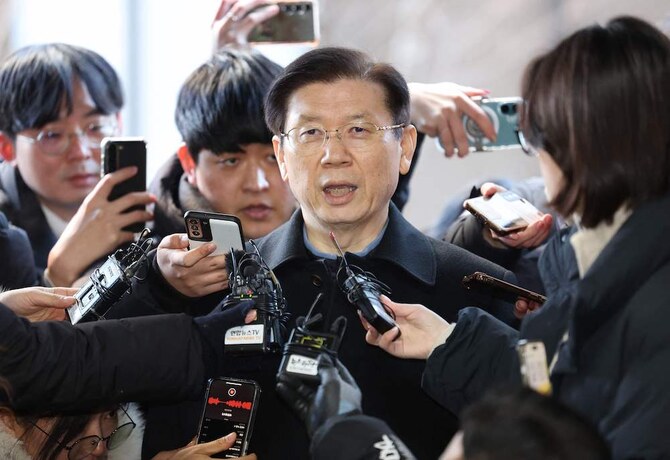
Yoon’s Presidential Security Service (PSS) chief Park Chong-jun submitted his resignation on Friday morning “as he attended a police questioning,” a PSS official said.
It was later accepted by acting president Choi Sang-mok, an official from the interim leader’s office told reporters.
It came as investigators and police prepare to mount a new bid to arrest Yoon over his martial law declaration after securing a new warrant this week.
Earlier on Friday, Park told reporters there must be no bloodshed if investigators attempt another arrest of Yoon.
“I understand many citizens are concerned about the current situation where government agencies are in conflict and confrontation,” he said.
“I believe that under no circumstances should there be physical clashes or bloodshed,” he added, before being questioned at the Korean National Police Agency.
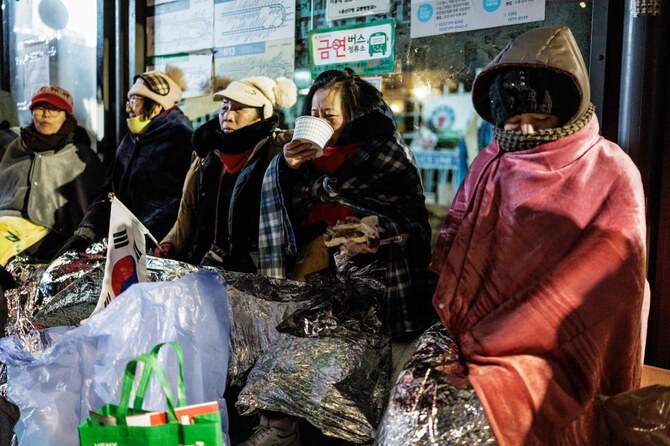
Rival protest camps in sub-zero temperatures are calling for Yoon’s impeachment to be declared invalid on one side, and for him to be immediately detained on the other.
Yoon would become the first sitting South Korean president to be arrested if investigators are able to detain him.
His legal team have said they will not comply with the current warrant.
The Corruption Investigation Office (CIO) said it will “prepare thoroughly” for the second arrest attempt.
Police on Friday held a meeting of its commanders to plan for the renewed effort, Yonhap news agency reported.
Park twice ignored police requests to appear for questioning over allegations of obstruction of public duty since his team blocked investigators from arresting Yoon on January 3.
The PSS said Park could not leave his post due to “the serious nature” of protecting Yoon, but police warned they would consider an arrest warrant for Park if he did not submit to questioning.
On Friday, prosecutors indicted a former defense intelligence commander over his involvement in the martial law decree, charging him with insurrection and abuse of authority.
Meanwhile, Yoon’s guards have been increasing security at his Seoul residential compound with barbed wire installations and bus barricades.
Yoon’s legal team said Friday the guards “remain on high alert 24/7” for another arrest attempt “despite immense pressure and stress.”
Separate from the insurrection probe, Yoon also faces ongoing impeachment proceedings — lawmakers have already suspended him, but the Constitutional Court will decide whether to uphold this or restore him to office.
The court has slated January 14 for the start of Yoon’s impeachment trial, which would proceed in his absence if he does not attend.
Yoon’s legal team says he remains inside his residence and may appear at the trial.
The court has up to 180 days from December 14, when it received the case, to make its ruling.
Analysts have warned any potentially violent clashes during an arrest attempt could hurt Yoon’s hopes of survival.
“Physical confrontations would... likely weaken his position in the upcoming impeachment trial,” political commentator Park Sang-byung said.
But polls show approval ratings for Yoon’s ruling party have been rising as the crisis drags on.
A new Gallup survey published Friday showed the People Power Party’s approval rating had risen to 34 percent from 24 percent three weeks ago.


