- Aoun has since 2017 headed the army, an institution that serves as a rare source of unity in Lebanon
- The man of few words was able to count on his good relations across the divided Lebanese political class to see him elected
BEIRUT: Joseph Aoun, Lebanon’s army chief who was elected president on Thursday, is a political neophyte whose position as head of one of the country’s most respected institutions helped end a two-year deadlock.
Widely seen as the preferred pick of army backer the United States, he is perceived as being best placed to maintain a fragile ceasefire and pull the country out of financial collapse.
After being sworn in at parliament, Aoun said “a new phase in Lebanon’s history” was beginning.
Analysts said Aoun, who turns 61 on Friday and is considered a man of “personal integrity,” was the right candidate to finally replace Michel Aoun — no relation — whose term as president ended in October 2022, without a successor until now.
A dozen previous attempts to choose a president failed amid tensions between Hezbollah and its opponents, who have accused the Shiite group of seeking to impose its preferred candidate.
Aoun has since 2017 headed the army, an institution that serves as a rare source of unity in a country riven by sectarian and political divides.
He has navigated it through a blistering financial crisis that has drastically slashed the salaries of its 80,000 soldiers, forcing him to accept international aid.
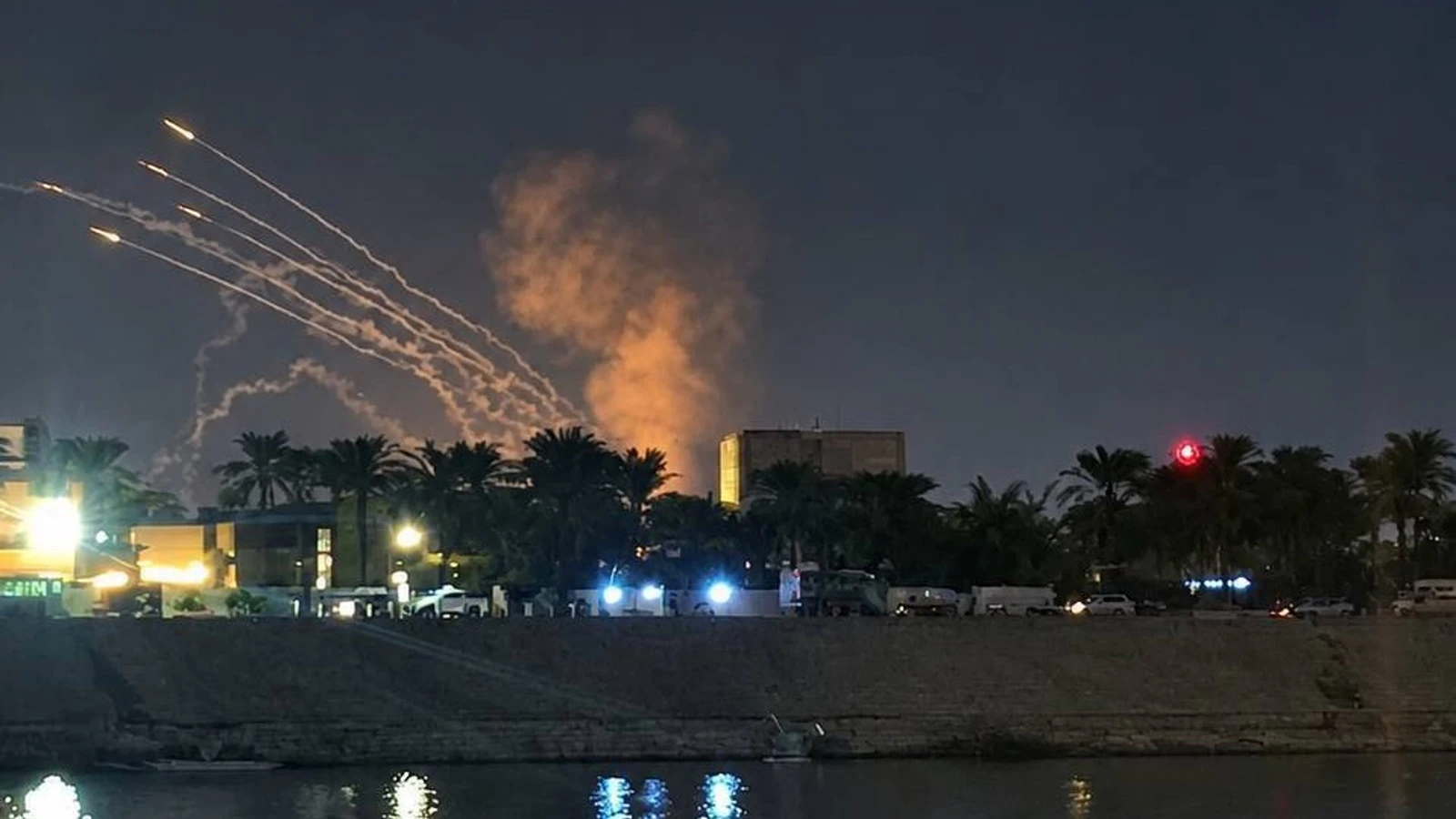
Since late November, he oversaw the gradual mobilization of the armed forces in south Lebanon after a ceasefire ended more than a year of hostilities between Israel and Hezbollah.
Under the truce, the Lebanese army has been deploying progressively alongside UN peacekeepers in the south as Israeli forces withdraw, a process they have to finish by January 26.
Speaking on Thursday, Aoun said the state would have “a monopoly” on arms.
The general with broad shoulders and a shaved head has stepped up talks with visiting foreign dignitaries since becoming army chief.
The man of few words was able to count on his good relations across the divided Lebanese political class to see him elected.
Aoun “has a reputation of personal integrity,” said Karim Bitar, an international relations expert at Beirut’s Saint-Joseph University.
He came to prominence after leading the army in a battle to drive out Daesh from a mountainous area along the Syrian border.
“Within the Lebanese army, he is perceived as someone who is dedicated... who has the national interest at heart, and who has been trying to consolidate this institution, which is the last non-sectarian institution still on its feet in the country,” Bitar told AFP.
Aoun was set to retire in January last year, but has had his mandate extended twice — most recently in November.
Mohanad Hage Ali, from the Carnegie Middle East Center, noted that “being the head of US-backed Lebanese Armed Forces, Joseph Aoun has ties to the United States.”
“While he maintained relations with everyone, Hezbollah-affiliated media often criticized him” for those US ties, he told AFP.
Washington is the main financial backer of Lebanon’s army, which also receives support from other countries including Qatar.
An international conference in Paris last month raised $200 million to support the armed forces.
The military has been hit hard by Lebanon’s economic crisis, and at one point in 2020 it said it had cut out meat from the meals offered to on-duty soldiers due to rising food prices.
Aoun, who speaks Arabic, English and French, hails from Lebanon’s Christian community and has two children.
By convention, the presidency goes to a Maronite Christian, the premiership is reserved for a Sunni Muslim and the post of parliament speaker goes to a Shiite Muslim.
Aoun is Lebanon’s fifth army commander to become president, and the fourth in a row.
Military chiefs, by convention, are also Maronites.