ISLAMABAD: Pakistan’s health ministry has said the South Asian country has not reported any case of human metapneumovirus (HMPV) so far, but it is monitoring all flights from China that has reported a significant number of cases in recent weeks.
HMPV is a respiratory virus causing symptoms similar to the common cold, such as cough, fever, nasal congestion, and shortness of breath. While it often leads to mild illness, young children, elderly and individuals with weak immune systems are at higher risk of severe complications.
Discovered in 2001 by Dutch researchers, HMPV spreads through close contact with infected individuals, exposure to respiratory droplets from coughing or sneezing, and touching contaminated surfaces like doorknobs or toys. In the United States, it’s more prevalent during winter and spring months.
China has experienced a significant outbreak of HMPV since last month resulting in overwhelmed hospitals, particularly in its Hunan province and surrounding areas, with videos shared online showing packed medical facilities reminiscent of the early days of the COVID-19 pandemic.
“Currently, no [HMPV] cases have been reported in Pakistan, but the Ministry of Health is closely monitoring the situation,” Dr. Nadya Jamil, the ministry’s focal person on HMPV, told Arab News on Monday.
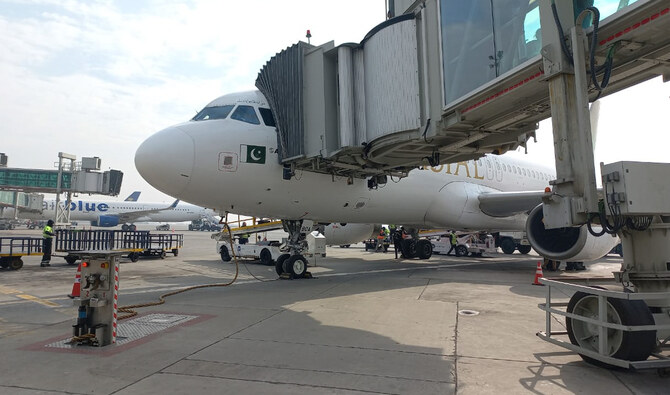
“All flights arriving from China are under observation and authorities have instructed that any passenger exhibiting flu-like symptoms be tested and provided with appropriate care.”
The official said monitoring desks at airports, which were already screening passengers for monkeypox (Mpox), had now been tasked with screening for HMPV as well. She, however, said that HMPV was not new to Pakistan, with studies conducted on it as early as 2015.
“The virus can cause pneumonia in children under 14, the elderly, and individuals with weakened immune systems,” Jamil said.
While infectious disease experts have urged caution regarding HMPV, they emphasize that it does not pose a threat on the scale of COVID-19.
Dr. Shobha Luxmi, an infectious diseases specialist at Aga Khan University in Karachi, said HMPV is a respiratory tract illness and usually its cases occur worldwide every year, but in small numbers.
“Since it is now being reported in large numbers in China, it is likely to eventually reach Pakistan, potentially in higher-than-usual numbers,” she told Arab News.
“So, the public should follow the same measures recommended during COVID-19, such as maintaining hygiene, wearing masks, and practicing social distancing.”
HMPV could be isolated through testing, and the disease itself was not “generally severe” and should not have been a “major concern,” according to Dr. Luxmi.
“It is not considered highly dangerous as the fatality rate is relatively low,” she said. “The government should issue public service messages to encourage people to wear masks and also increase screening at the airports to prevent its spread in Pakistan.”
Dr. Javed Usman, a health expert, told Arab News that HMPV could not be detected without a PCR (polymerase chain reaction) test.
“The virus itself isn’t life-threatening, but it can cause pneumonia and other respiratory issues, particularly in children, elderly, and those with weakened immune systems,” he said.
“This is why vigilance and preventive measures are crucial, even if the virus doesn’t present the same level of danger as COVID-19.”


![]()

Pakistan says no human metapneumovirus case reported so far, monitoring flights from China
Short Url
https://arab.news/zt865
Pakistan says no human metapneumovirus case reported so far, monitoring flights from China
- Human metapneumovirus, or HMPV, is a respiratory virus causing cold-like symptoms such as cough, fever and congestion
- China has experienced a significant outbreak of the virus since last month resulting in overwhelmed medical facilities
Latest updates


© 2026 SAUDI RESEARCH & PUBLISHING COMPANY, All Rights Reserved And subject to Terms of Use Agreement.