LONDON: Oil prices rose on Monday, remaining at their highest since mid-October as colder weather spurred buying while further support was provided by a weaker US dollar and expectations of tighter sanctions on Iranian and Russian oil exports.
Brent crude futures gained 49 cents, or 0.6 percent, to $77 a barrel by 4:19 p.m. Saudi time, their highest since Oct. 14.
US West Texas Intermediate crude was up 49 cents, or 0.7 percent, at $74.45, its highest since Oct. 11.
Oil had previously chalked up five sessions of gains, buoyed by hopes of rising demand after colder weather in the Northern Hemisphere and more fiscal stimulus to revitalize China’s faltering economy.
Brent crude was supported by colder-than-normal weather in northwest Europe and the United States, a rally in natural gas prices and higher refining profit margins, said SEB analyst Bjarne Schieldrop.
A weaker dollar also boosted prices. A weaker US currency makes dollar-priced commodities such as oil cheaper for buyers using other currencies.
The dollar fell 1 percent on Monday after the Washington Post reported that President-elect Donald Trump was considering tariffs that would be applied only to critical imports.
Investors are also awaiting economic news for more clues on energy consumption and the US Federal Reserve’s interest rate outlook. Minutes of the Fed’s last meeting are due on Wednesday and the December payrolls report is scheduled for Friday.
Meanwhile, Saudi Aramco, the world’s top oil exporter, has raised crude prices in February for buyers in Asia, the first increase in three months. A rise in these prices usually indicates firmer demand expectations.
On the supply front, stronger Western sanctions on Iranian and Russian oil shipments are a distinct possibility.
The Biden administration plans to impose more sanctions on Russia over its war on Ukraine, taking aim at its oil revenues with action against tankers carrying Russian crude, two sources with knowledge of the matter said on Sunday.
Goldman Sachs expects Iranian oil production and exports to fall by the second quarter as a result of expected policy changes and tighter sanctions from the administration of incoming US President Donald Trump.
Output at the OPEC producer could drop by 300,000 barrels per day to 3.25 million bpd by the second quarter, the bank said.

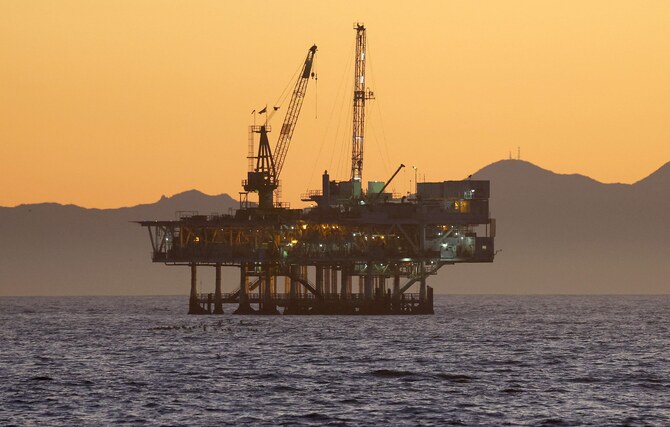
Oil Updates — prices hold at three-month high on stronger demand
https://arab.news/nd7q5
Oil Updates — prices hold at three-month high on stronger demand
- Brent crude futures gained 49 cents, or 0.6%, to $77 a barrel
- Dollar stayed close to a two-year peak on Monday
Saudi-French cooperation to localize veterinary vaccine manufacturing
RIYADH: In the presence of sector leaders, the National Livestock and Fisheries Development Program signed a memorandum of understanding with French company Ceva under the patronage of Minister of Environment, Water and Agriculture Abdulrahman bin Abdulmohsen Al-Fadhli, who also chairs the program’s board.
The agreement aims to localize vaccine manufacturing, transfer technology and technical expertise, and expand the industrial and commercial production of veterinary vaccines across the Kingdom.
According to the MoU, the two parties will work to achieve high efficiency in mass production scale-up and establish a clear path for sustainable commercial operation that meets the needs of the local and national market, as well as strengthen the biosecurity and food security system.
The MoU also includes the development and modernization of messenger RNA vaccine technologies, along with joint research and development of a Middle East Respiratory Syndrome vaccine for camels. This involves designing, evaluating, and developing vaccines specifically tailored to combat the virus.
The agreement also covers the development of a rabies vaccine and related solutions, as well as supporting national efforts to control the disease through vaccine provision, capacity building, and the implementation of integrated prevention strategies.
The collaboration between the program and Ceva aims to meet the needs of the poultry vaccine market in the Kingdom, currently estimated at around SR750 million ($199 million).
The company will work to cover approximately 30 percent of this market with an initial investment of around SR250 million.
With continued government support for poultry projects and increased production in the sector, the market is expected to grow at a rate exceeding 10 percent annually, reaching approximately SR1.25 billion by 2030.
The addition of the world’s leading poultry vaccine manufacturer to Biotech Park highlights the program’s key role in developing new industries within the livestock and fisheries sector.
It also highlights the program’s commitment to building international partnerships with global companies, organizations, research centers, and universities to support advanced biotechnology industries and attract high-quality investments. It also seeks to create new economic sectors based on biotechnology, enhance veterinary health security, and support the sustainable economic development of the livestock sector, as well as empower national and emerging companies and provide advanced research and industrial infrastructure.
This will solidify the Kingdom’s position as a global hub for biotechnology industries and the development of national capabilities.
Ceva is the first international partner to join Biotech Park, the future veterinary biotechnology city launched by the program in Dhurma Governorate. The city is the world’s first specialized and fully integrated hub for veterinary biotechnology, serving as a benchmark for sector development and a platform supporting markets across the Kingdom, the Gulf, the Middle East, Africa and beyond.
The signing of Ceva is a significant step, given its position as the world’s leading manufacturer of poultry vaccines and medicines, and one of the most prominent international companies in the field of biotechnology.
The MoU aims to localize the veterinary vaccine industry, ensuring its compatibility with the strains of poultry diseases prevalent in Saudi Arabia. This includes the transfer of technology and technical expertise from Ceva, along with the implementation of specialized training programs to guarantee that manufacturing facilities comply with international Good Manufacturing Practice standards.


