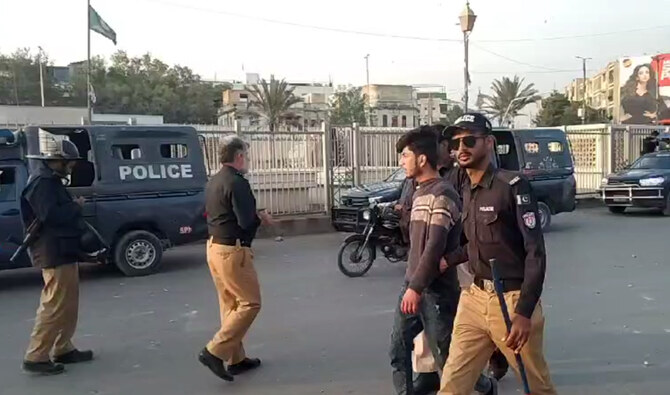
KARACHI: Police on Tuesday launched a crackdown on the main protest organized by the religio-political party Majlis Wahdat-e-Muslimeen (MWM), leaving several, including cleric Allama Hasan Zafar Naqvi, injured, according to a spokesperson for the group.
The MWM has been staging sit-ins at over 10 locations in Karachi since last week to protest against sectarian violence in the northwestern Kurram district. Home to around 600,000 people, Kurram is located in Khyber Pakhtunkhwa province and has long been a hotspot for tribal and sectarian conflicts, with authorities struggling to maintain control.
The area’s volatile situation has necessitated travel in convoys escorted by security personnel, but this measure failed to prevent a deadly ambush on November 21, when gunmen attacked a convoy, killing 52 people, mostly Shias.
At least 136 people have so far lost their lives in the violence that followed, as a grand jirga, or traditional council of political and tribal elders, continues efforts to mediate between rival factions, though the unrest has now spilled beyond Kurram.
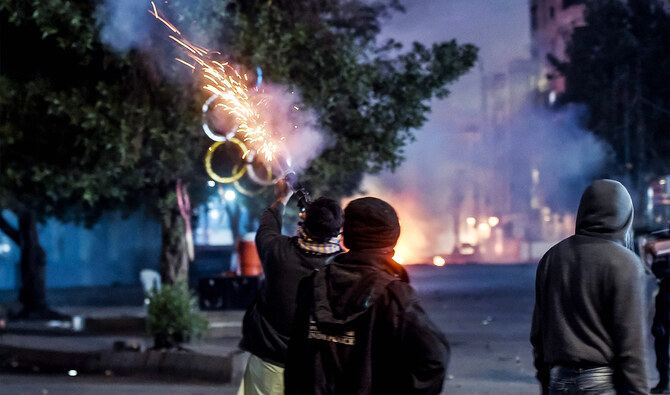
Police in Karachi moved against the central MWM protest camp at Numaish Chowrangi on Tuesday afternoon after days of complaints that life in the city had been brought to a near standstill, triggering clashes during the crackdown.
“Alama Hasan Zafar Naqvi is among many wounded in police attack,” Ahmer Naqvi, spokesperson of MWM told Arab News.
Prior to that, police and paramilitary Rangers used tear gas to disperse protesters and cleared Abul Hasan Isfahani Road near Abbas Town and Kamran Chowrangi in Gulistan-e-Jauhar.
Addressing a press conference, Allama Hasan Zafar Naqvi condemned the action and vowed that the group would not only continue its sit-in but also expand it to other parts of the city.
Meanwhile, Sindh Chief Minister Syed Murad Ali Shah took notice of protesters setting vehicles on fire, his office said in a statement.
“No permission will be given to cause damage to public or private property in any form,” Shah was quoted as saying. “Everyone has the right to protest, but damaging city property in this manner is incitement to violence.”
The CM said legal action would be taken against those who set vehicles on fire. Shah also directed the police to improve the situation in Karachi.
“The chief minister has instructed the additional inspector general of police to eliminate disorder in the city and submit an immediate report,” the statement said.
The Karachi police chief on Monday warned demonstrators of action if the protests continued to disrupt public life.
The Ahle-Sunnat Wal Jamaat (ASWJ), the MWM’s rival religious group, also threatened to hold counter-protests at 60 locations in Karachi if the MWM sit-in was not brought to an end.


![]()
![]()

Karachi police crack down on religio-political party’s days-long protest
Short Url
https://arab.news/zby79
Karachi police crack down on religio-political party’s days-long protest
- Majlis Wahdat-e-Muslimeen is holding sit-in protests in solidarity with people of violence-hit Kurram district
- The Karachi police chief warned demonstrators of action a day earlier if they continued to disrupt public life
Latest updates




Recommended


© 2026 SAUDI RESEARCH & PUBLISHING COMPANY, All Rights Reserved And subject to Terms of Use Agreement.