CAIRO: The Sudanese government rejected on Sunday a report backed by the United Nations which determined that famine had spread to five areas of the war-torn country.
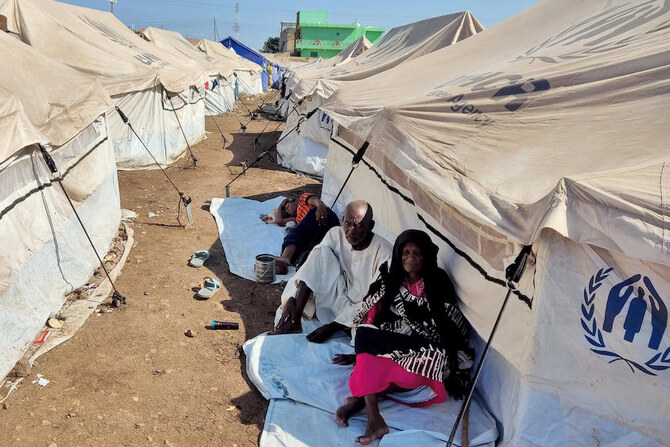
The Integrated Food Security Phase Classification (IPC) review, which UN agencies use, said last week that the war between Sudan’s army and the paramilitary Rapid Support Forces had created famine conditions for 638,000 people, with a further 8.1 million on the brink of mass starvation.
The army-aligned government “categorically rejects the IPC’s description of the situation in Sudan as a famine,” the foreign ministry said in a statement.
The statement called the report “essentially speculative” and accused the IPC of procedural and transparency failings.
They said the team did not have access to updated field data and had not consulted with the government’s technical team on the final version before publication.
The IPC did not immediately respond to AFP’s request for comment.
The Sudanese government, loyal to army chief Abdel Fattah Al-Burhan, has been based in the Red Sea city of Port Sudan since the capital Khartoum became a warzone in April 2023.
It has repeatedly been accused of stonewalling international efforts to assess the food security situation in the war-torn country.
The authorities have also been accused of creating bureaucratic hurdles to humanitarian work and blocking visas for foreign teams.
The International Rescue Committee said the army was “leveraging its status as the internationally recognized government (and blocking) the UN and other agencies from reaching RSF-controlled areas.”
Both the army and the RSF have been accused of using starvation as a weapon of war.
The war in Sudan has killed tens of thousands of people and uprooted over 12 million people, including millions who face dire food insecurity in army-controlled areas.
Across the country, more than 24.6 million people — around half the population — face high levels of acute food insecurity.


![]()

Sudan government rejects UN-backed famine declaration
Short Url
https://arab.news/mvd48
Sudan government rejects UN-backed famine declaration
- War between Sudan’s army and the paramilitary Rapid Support Forces had created famine conditions
- Both the Sudanese army and the RSF have been accused of using starvation as a weapon of war


Latest updates





Recommended


© 2026 SAUDI RESEARCH & PUBLISHING COMPANY, All Rights Reserved And subject to Terms of Use Agreement.