Asian Development Bank approves $7.5 million to boost health care in Pakistan’s northwest

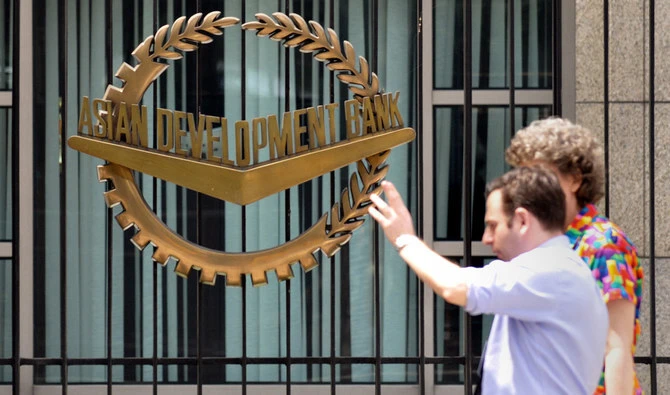
Staff members of the Asian Development Bank step out of the Manila-based lender's headquarters on February 17, 2009. (AFP/File)
Short Url
Updated 19 December 2024
Follow

Asian Development Bank approves $7.5 million to boost health care in Pakistan’s northwest

  • Funds will aid in revamping hospitals, improving service delivery, modernizing equipment across secondary health facilities
  • The ADB has committed over $52 billion to Pakistan, one of its founding members, since 1966 in public, private sector loans

ISLAMABAD: The Asian Development Bank (ADB) has approved $7.5 million to enhance health care systems in Pakistan’s northwestern Khyber Pakhtunkhwa province, Pakistani state media reported on Thursday.

The funds will support the mega project of revamping of Non-Teaching District Headquarters hospitals across the province, the Radio Pakistan broadcaster reported.

“It would also improve service delivery, and modernize equipment across secondary health care facilities,” the report read.

The regional development bank has committed over $52 billion to Pakistan, one of its founding members, since 1966 in public and private sector loans, grants and other forms of financing to promote inclusive economic growth in the country.

On Dec. 14, Pakistan signed a loan agreement with the ADB for the Integrated Social Protection Development Program additional financing amounting to $330 million.

Rating firm S&P says it won’t rush Iran war downgrades, sees risks for countries like Pakistan

Updated 4 sec ago
Follow

Rating firm S&P says it won’t rush Iran war downgrades, sees risks for countries like Pakistan

  • Agency says it is monitoring indebted energy importers as higher oil prices strain finances
  • Gulf economies seen better placed to weather shock, though Bahrain flagged as vulnerable

LONDON: S&P Global ‌said it would not make any knee-jerk sovereign rating cuts following the outbreak of war in the ​Middle East, but warned on Thursday that soaring oil and gas prices were putting a number of already cash-strapped countries at risk.

The firm’s top analysts said in a webinar that the conflict, which has involved US and Israeli strikes ‌against Iran and Iranian ‌strikes against Israel, ​US ‌bases ⁠and Gulf ​states, ⁠was now moving from a low- to moderate-risk scenario.

Most Gulf countries had enough fiscal buffers, however, to weather the crisis for a while, with more lowly rated Bahrain the only clear exception.

Qatar’s banking sector could ⁠also struggle if there were significant ‌deposit outflows in ‌reaction to the conflict, although there ​was no evidence ‌of such strains at the moment, they ‌said.

“We don’t want to jump the gun and just say things are bad,” S&P’s head global sovereign analyst, Roberto Sifon-Arevalo, said.

The longer the crisis ‌was prolonged, though, “the more difficult it is going to be,” he ⁠added.

Sifon-Arevalo ⁠said Asia was the second-most exposed region, due to many of its countries being significant Gulf oil and gas importers.

India, Thailand and Indonesia have relatively lower reserves of oil, while the region also had already heavily indebted countries such as Pakistan, Bangladesh and Sri Lanka whose finances would be further hurt by rising energy prices.

“We ​are closely monitoring ​these (countries) to see how the credit stories evolve,” Sifon-Arevalo said.